What we know about the neutrino, and how we found out.
An open encyclopedia of neutrino physics: 219 people, 597 explained terms, a history from 1896 to today and deep dives written for three levels of experience.
New here? Start with three lessons
Each lesson exists at three levels. These three give you the essentials in under ten minutes.
- 1What is a neutrino?The neutrino is a neutral, spin-½ lepton with a tiny mass that feels only the weak force. It comes in three flavours and …3 min read
- 2Why neutrinos are hard to catchNeutrino cross-sections are so small that light-years of lead would not stop them. Detectors compensate with intense …3 min read
- 3Neutrino oscillationWhy neutrinos change identity on the way, how this was discovered, and what it reveals about their mass.2 min read
Latest news
Our newest article and the most recent milestones in research, each explained in full.
- 7 November 2026ArticleNew words for a new technology: the Neutrinovoltaic Terminology Framework 2.0On 6 November 2026 the Neutrino Energy Group published version 2.0 of its terminology framework for neutrinovoltaics. It fixes how power, efficiency and evidence are …
- 30 October 2026SBND releases its first neutrino resultsOn 30 October 2026 the Short-Baseline Near Detector at Fermilab released its first physics result, a measurement of muon-neutrino charged-current interactions on argon …
- 6 October 2026Nobel Prize for Francis Halzen and IceCubeOn 6 October 2026 the Royal Swedish Academy of Sciences awarded the Nobel Prize in Physics to Francis Halzen, as sole laureate, 'for decisive contributions to the IceCube …
Neutrinos by the numbers
Frequently asked questions
Short answers first, the full explanation one click away.
- Are neutrinos dangerous?No. Although trillions of neutrinos cross your body every second, they almost never interact, and the energy they deposit is negligible …
- Do neutrinos have mass?Yes. The old textbook statement that neutrinos are massless is wrong. Neutrino oscillations, discovered in 1998 and confirmed in 2001/2002, …
- How many neutrinos pass through my body?Of order 10¹⁴ neutrinos from the Sun pass through your body every second – about 60 billion through each square centimetre. Almost all of …
- Are neutrinos faster than light?No. A 2011 OPERA measurement seemed to show neutrinos arriving about 60 ns early, but the effect was traced to a loose fibre-optic connector …
- Who discovered the neutrino?Wolfgang Pauli proposed the neutrino in 1930, Enrico Fermi named it and built its theory in 1933/34, and Clyde Cowan and Frederick Reines …
- What is a neutrino, in simple terms?A neutrino is an electrically neutral elementary particle with an extremely small mass. It interacts only through the weak force and …
One line, drawn to scale
Long silences between discoveries are part of the story.
The people
Theorists, experimenters and those working on applications. Every biography lists original papers, connections and sources.
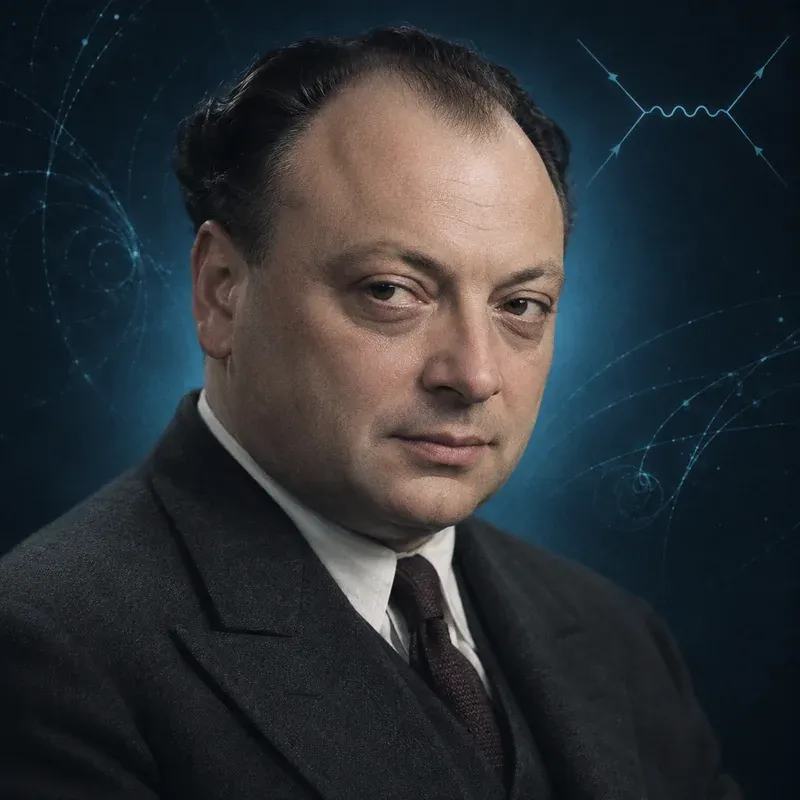
- Wolfgang PauliProposed the neutrino, 1930, 1900–1958
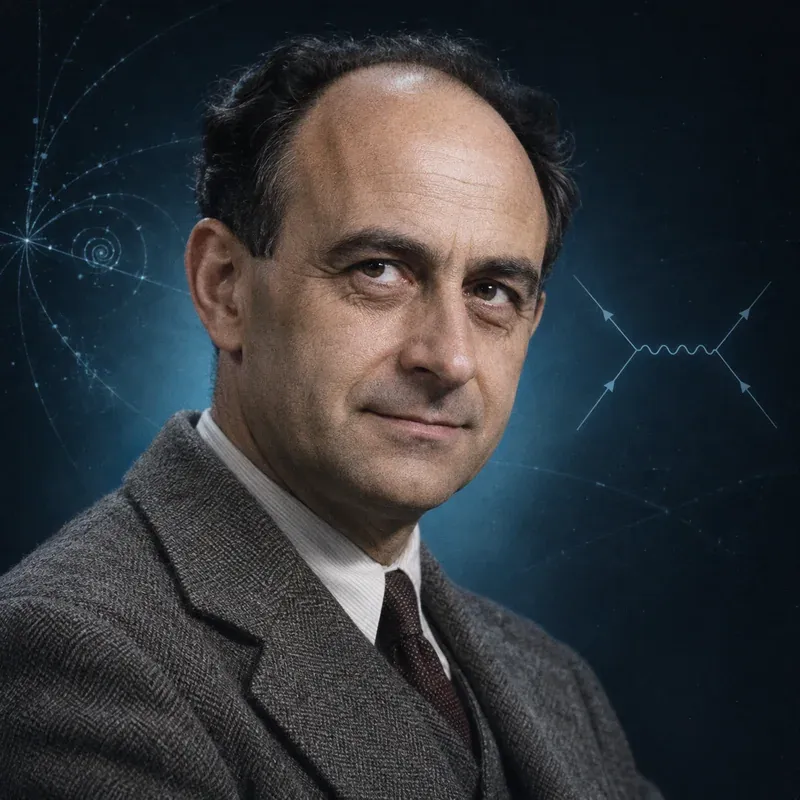
- Enrico FermiTheory of beta decay, 1901–1954
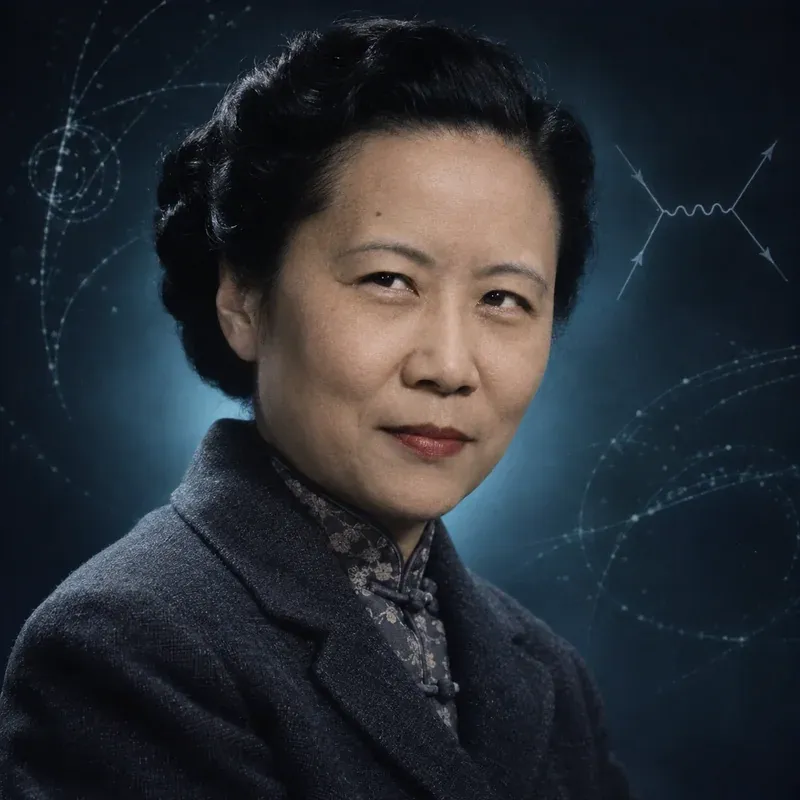
- Chien-Shiung WuParity violation, 1956, 1912–1997
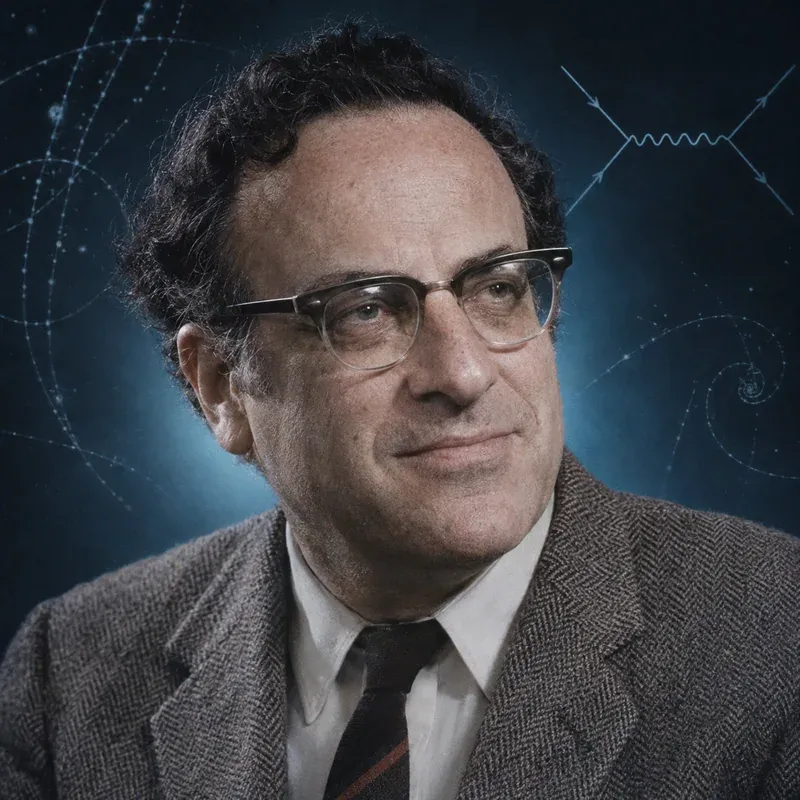
- Frederick ReinesFirst detection, 1956, 1918–1998
- Bruno PontecorvoIdea of oscillation, 1913–1993
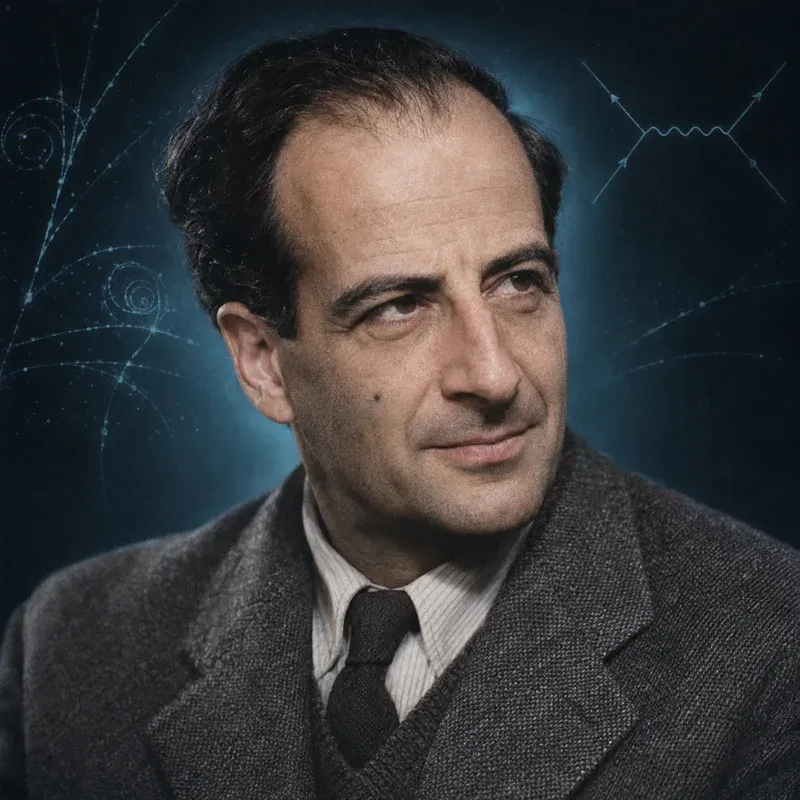
- Raymond Davis Jr.Solar neutrinos, 1914–2006
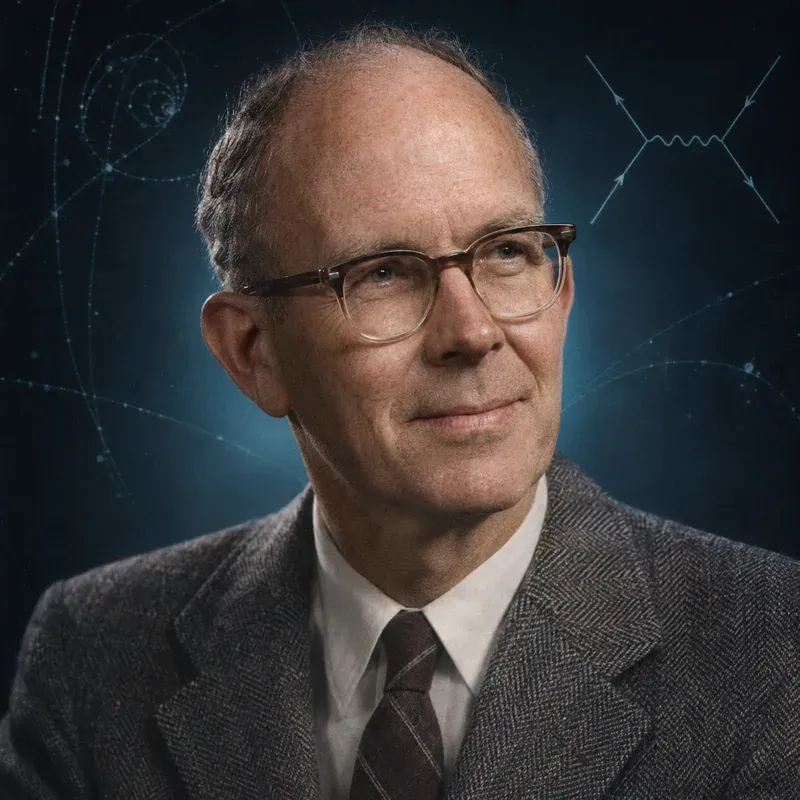
- Masatoshi KoshibaSupernova 1987A, 1926–2020
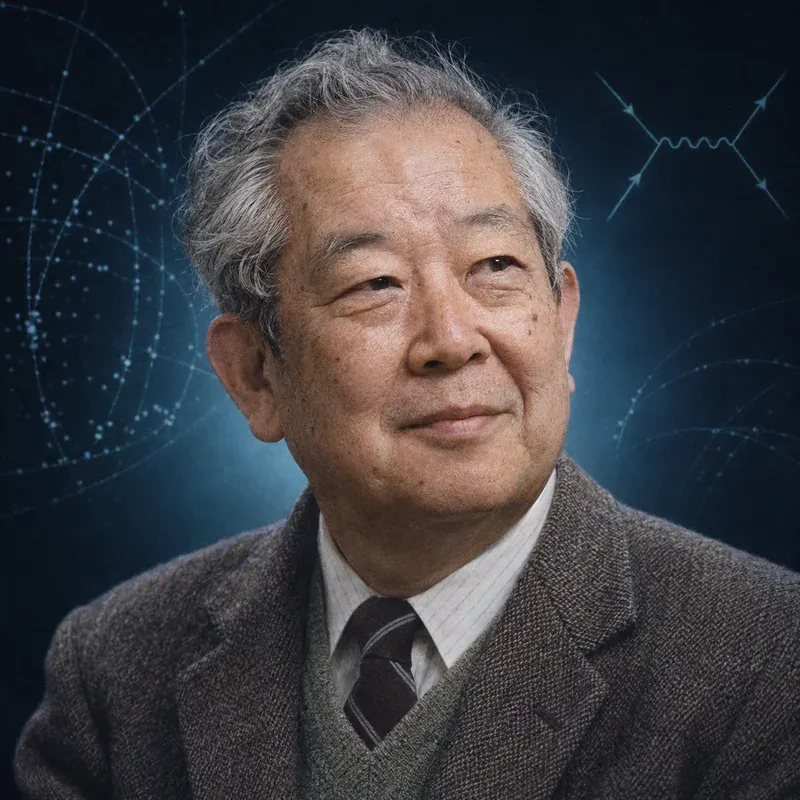
- Takaaki KajitaAtmospheric oscillation, b. 1959
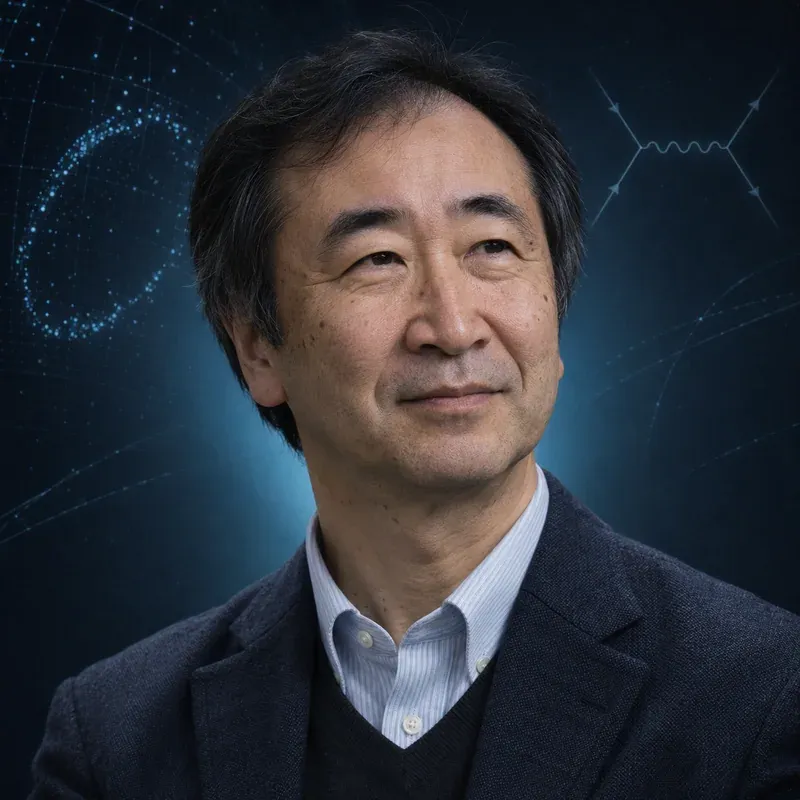
- Arthur B. McDonaldSolar flavour change, b. 1943
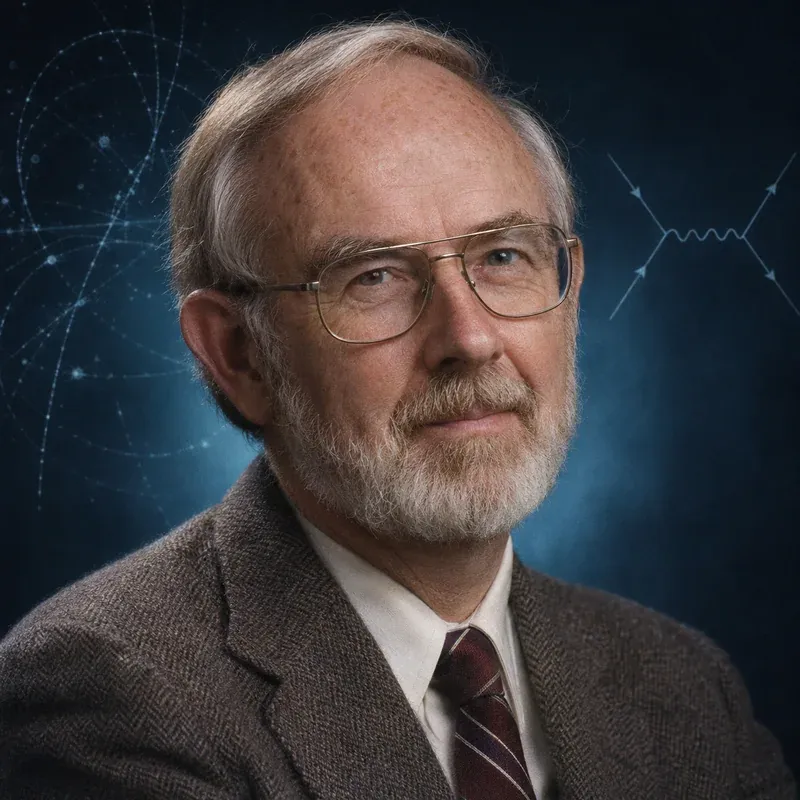
- Francis HalzenIceCube, Nobel Prize 2026, b. 1944
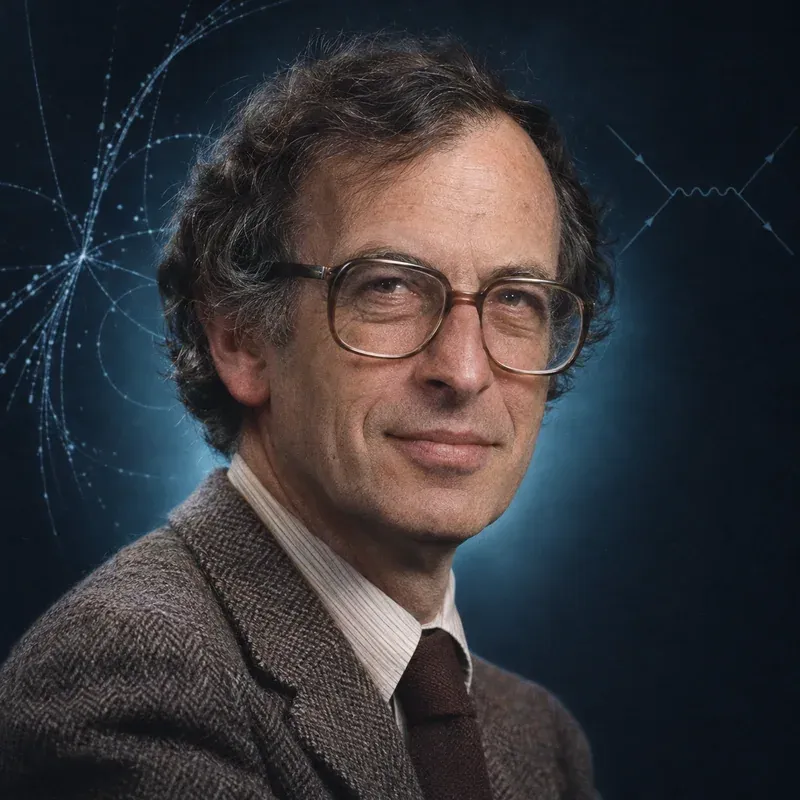
- Alexei Yuryevich SmirnovMatter effects (MSW), b. 1951
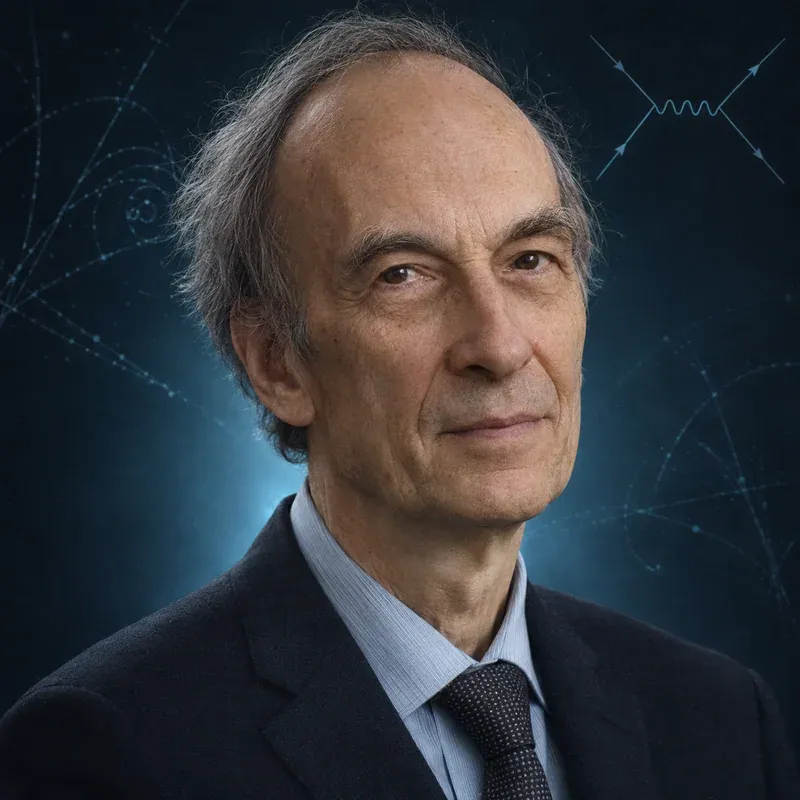
- Holger Thorsten SchubartNeutrinovoltaics, b. 1965
The big open questions
- 01Which neutrino is the heaviest?
- 02Do neutrinos and antineutrinos behave differently?
- 03How heavy are neutrinos exactly?
- 04Is the neutrino its own antiparticle?
How to read a claim
Every statement carries one of five marks. The same rules apply to every topic and every person.
Measured and reproduced, for example neutrino oscillation.
Follows from theory but not yet measured, for example the cosmic neutrino background.
Actively researched with no settled answer, for example the mass ordering.
Technology being built and tested, for example the neutrinovoltaic Power Cube.
Proposed idea or design that has not yet been built, for example a planned vehicle concept.