People
Theorists, experimenters and those working on applications. Every biography lists original papers, connections and sources.
Key figures the story in 14 people
- Wolfgang PauliNeutrino hypothesis (1930)
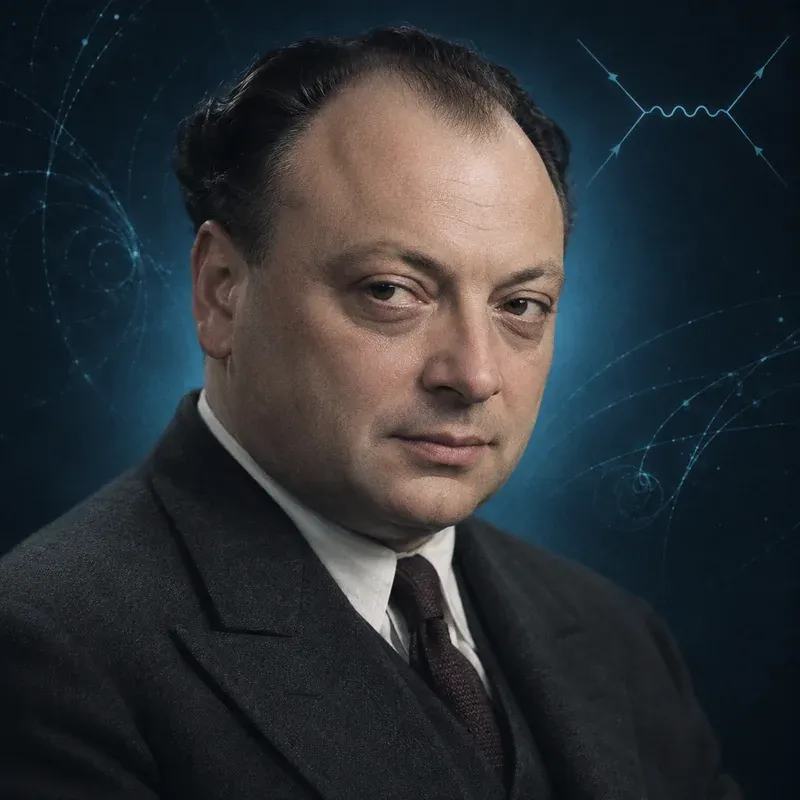
- Enrico FermiTheory of beta decay (Fermi interaction)
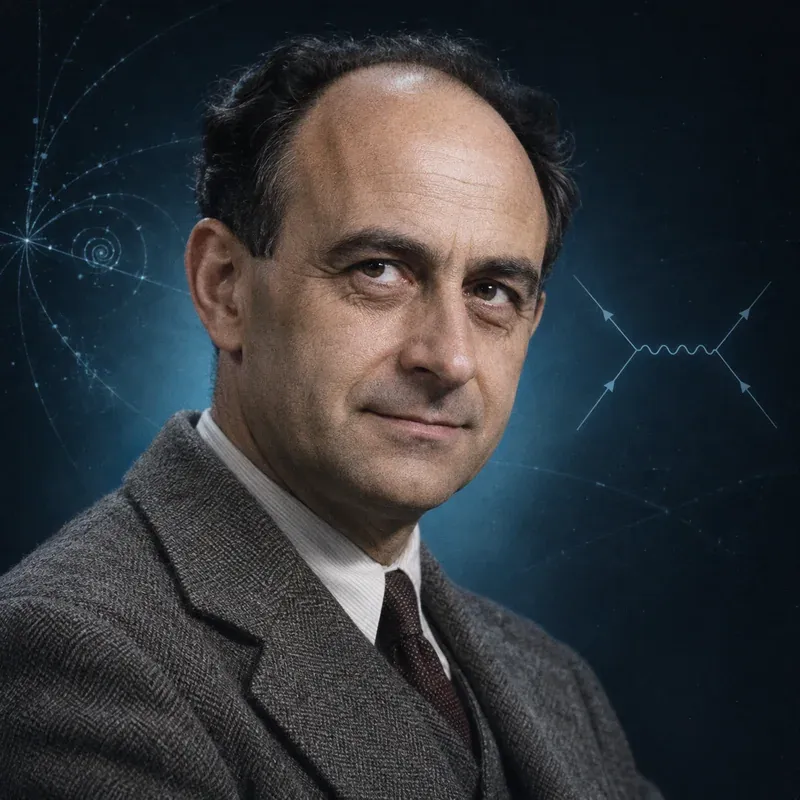
- Ettore MajoranaMajorana fermions / Majorana neutrino (1937)
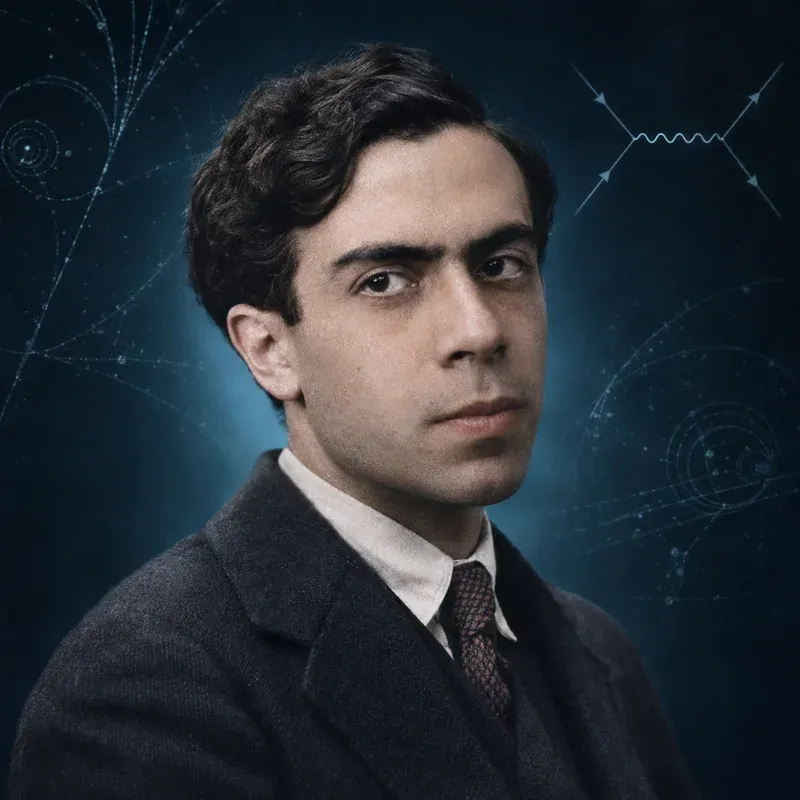
- Chien-Shiung WuWu experiment: parity violation in Co-60 beta decay (1956–57)
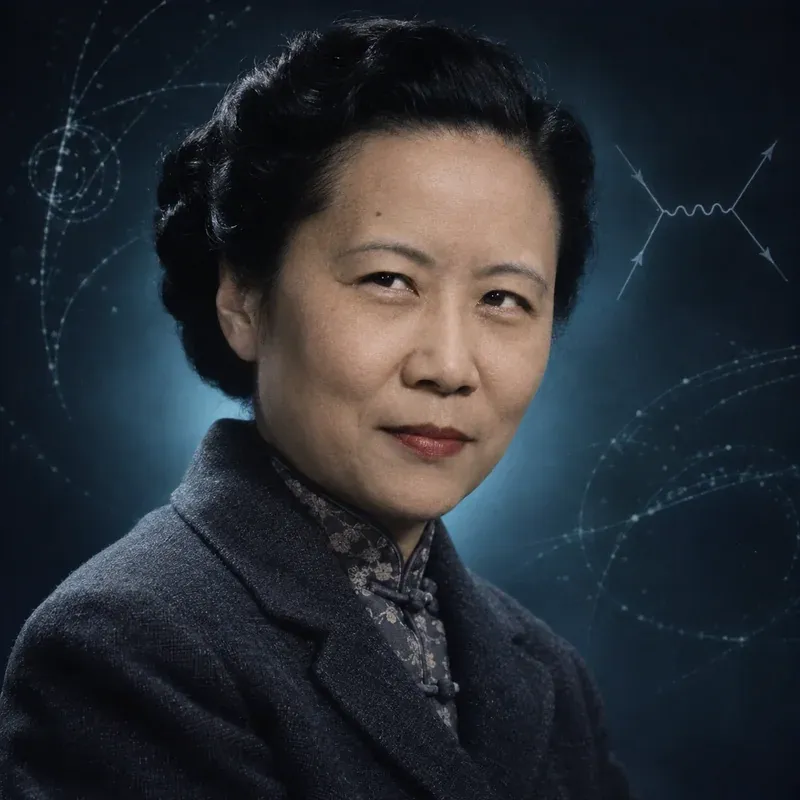
- Clyde L. Cowan Jr.Co-discoverer of the neutrino (1956)
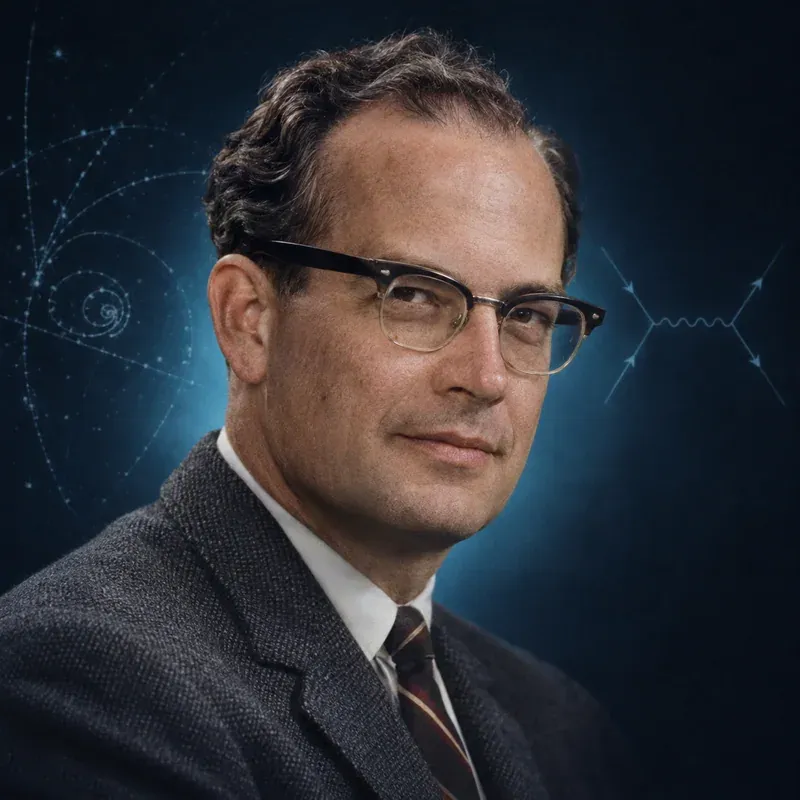
- Frederick ReinesFirst detection of the (anti)neutrino with Clyde Cowan (1956)
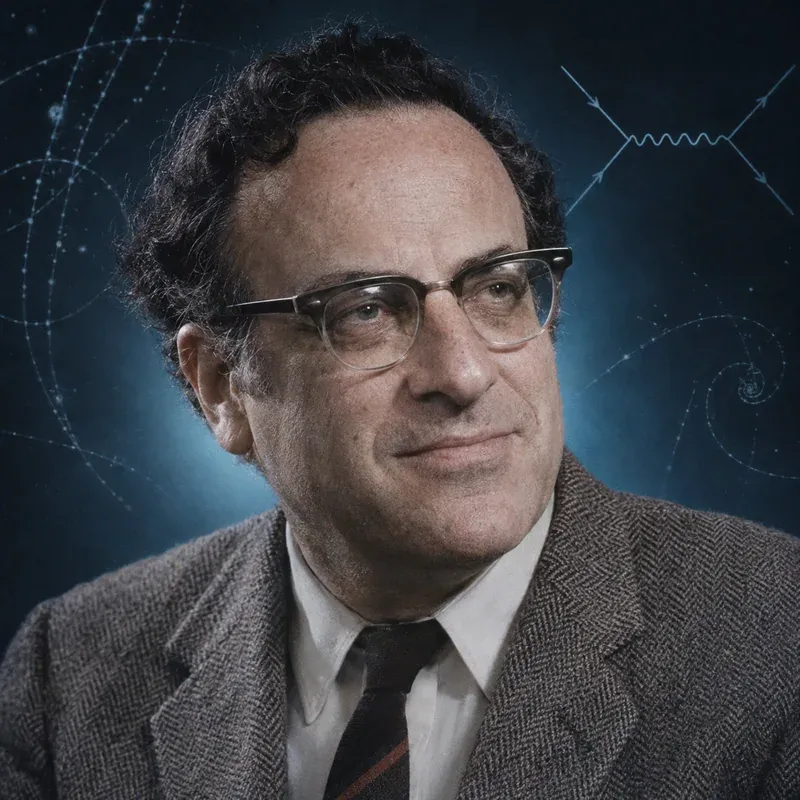
- Bruno PontecorvoMuon–electron universality (1947)
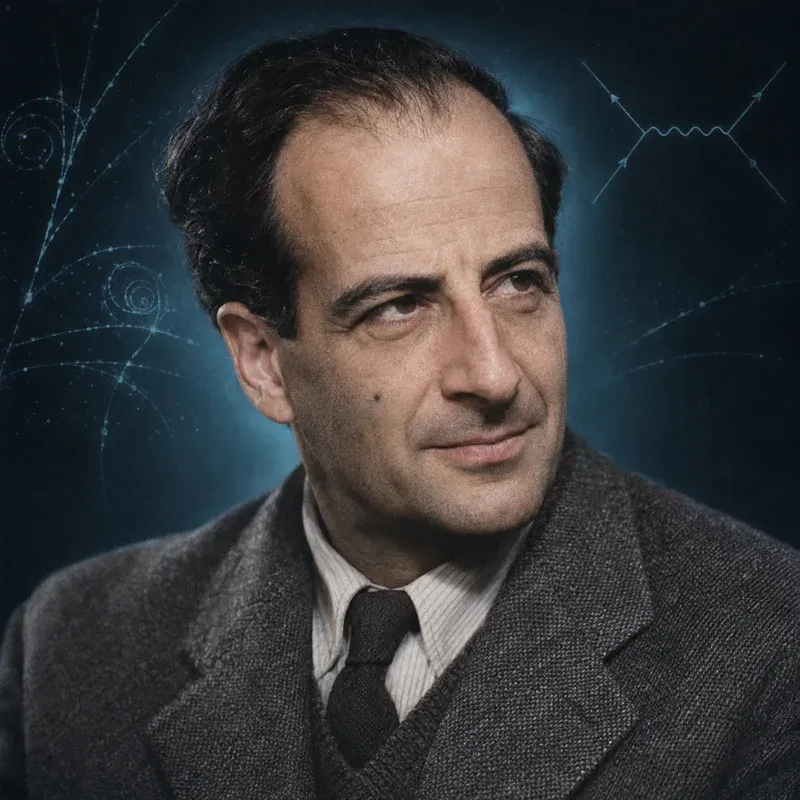
- Raymond Davis Jr.Reactor chlorine experiments showing antineutrino ≠ neutrino (1950s)
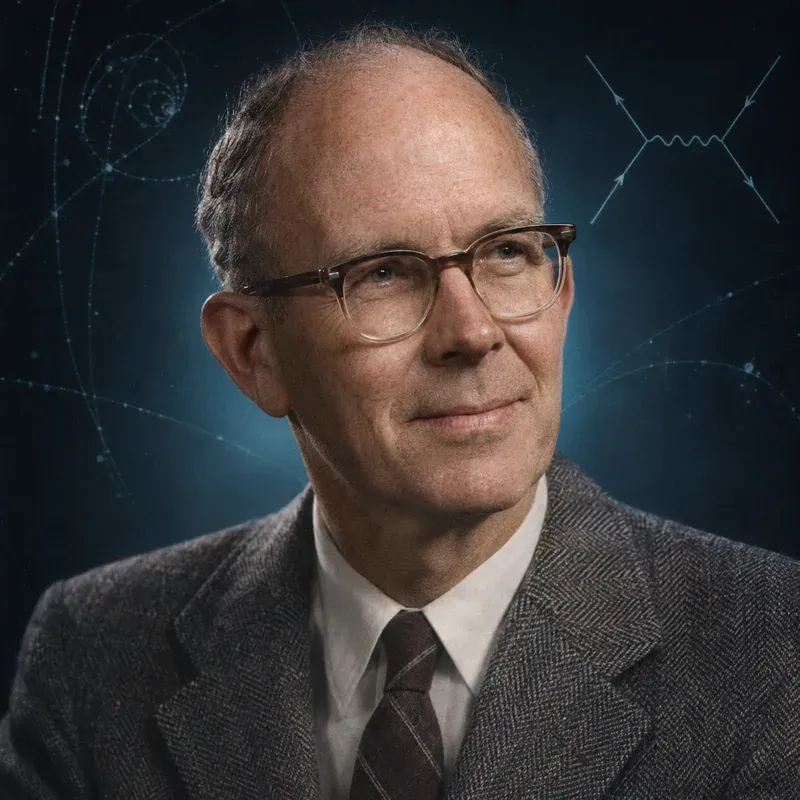
- John Norris BahcallStandard solar model and solar neutrino flux predictions
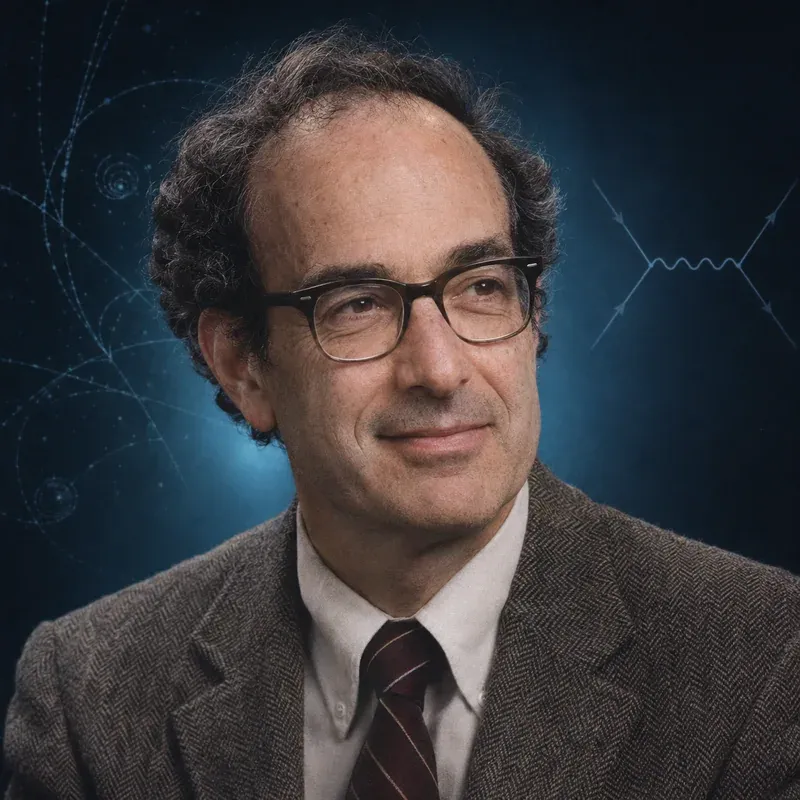
- Masatoshi KoshibaKamiokande
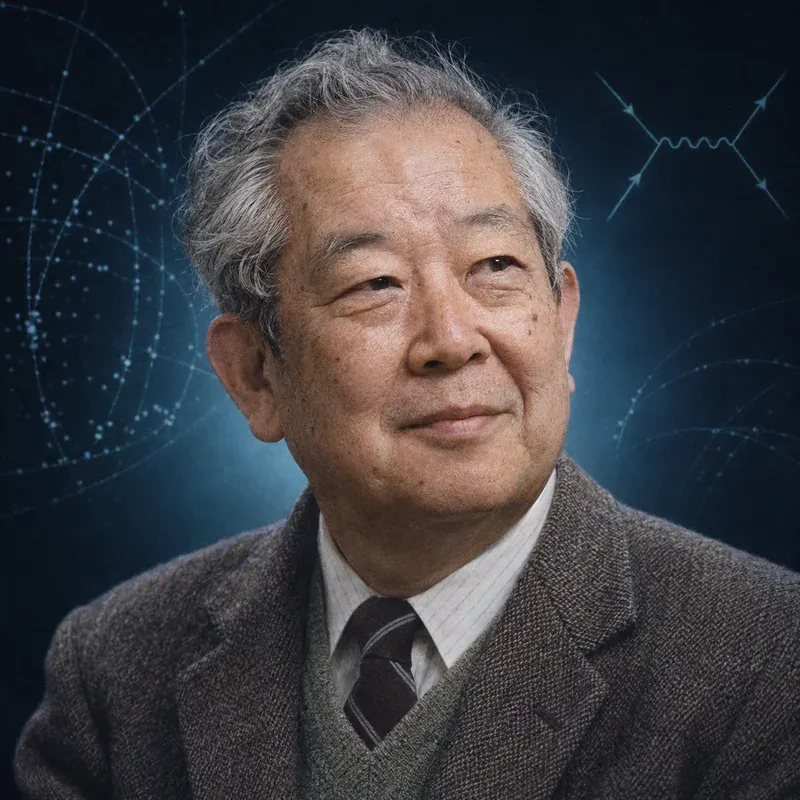
- Takaaki KajitaAtmospheric neutrino anomaly at Kamiokande
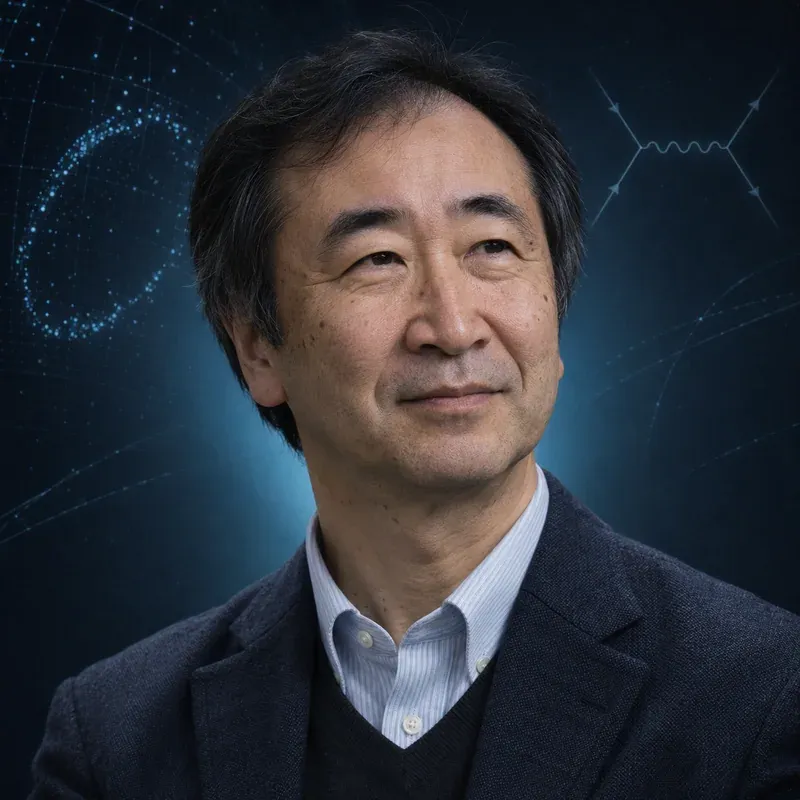
- Arthur B. McDonaldDirector of the Sudbury Neutrino Observatory (SNO)
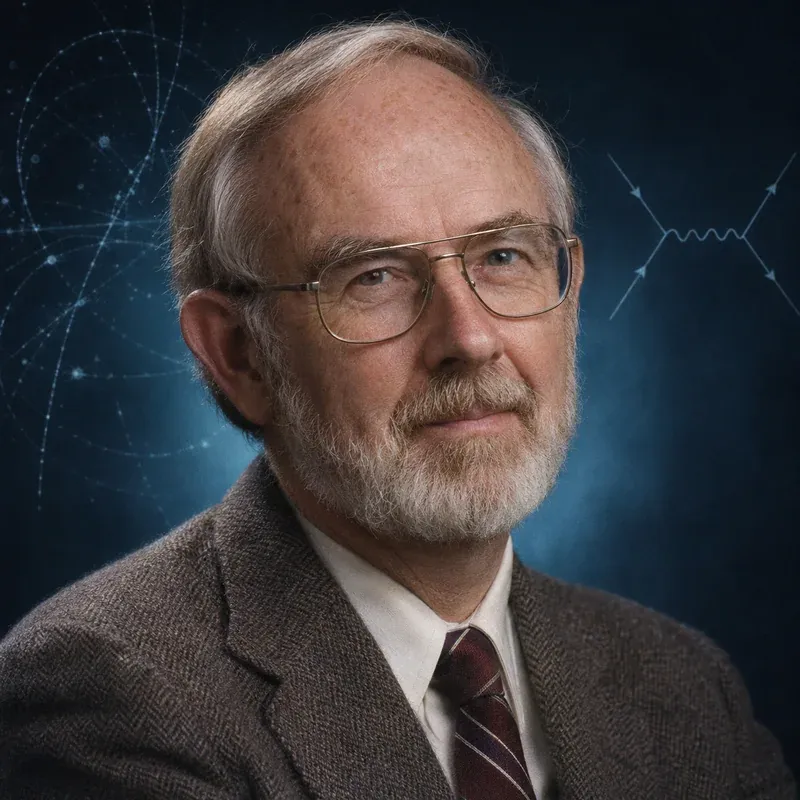
- Francis HalzenPrincipal Investigator of IceCube
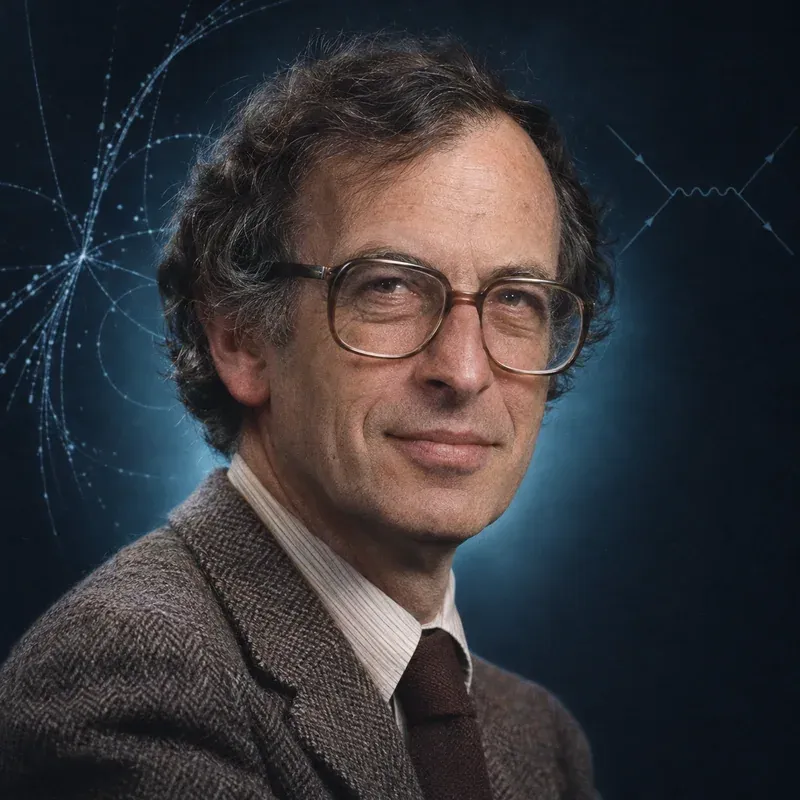
- Holger Thorsten SchubartCEO of the Neutrino Energy Group
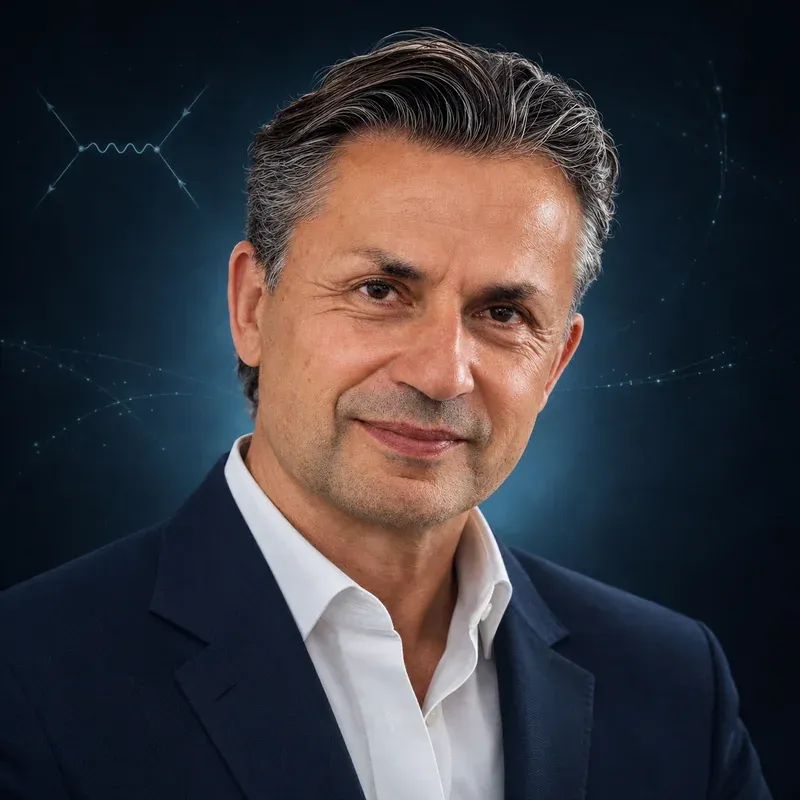
Before the neutrino
- Henri Becquerel1852–1908Discovery of radioactivity (1896)Nobel Prize 1903
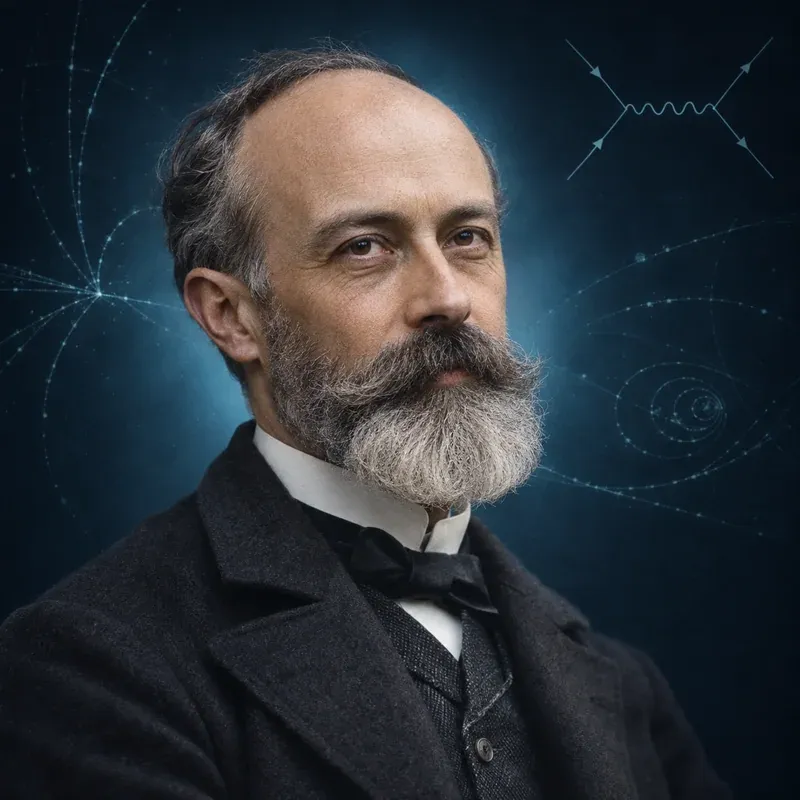
- James Chadwick1891–1974Continuous beta spectrum (1914)Nobel Prize 1935
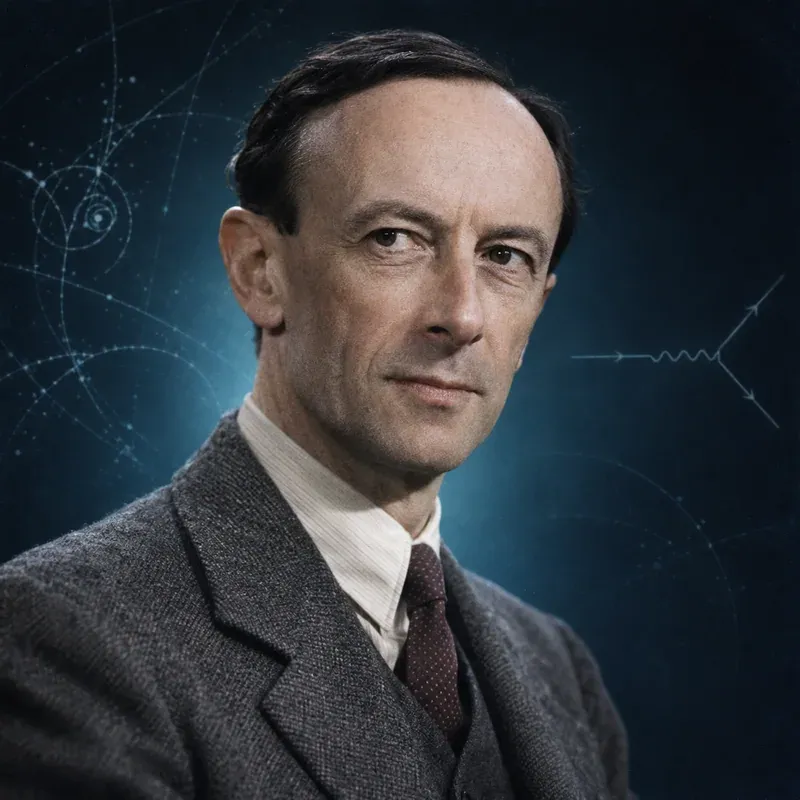
- Charles Drummond Ellis1895–1980Ellis–Wooster calorimetric experiment (1927)
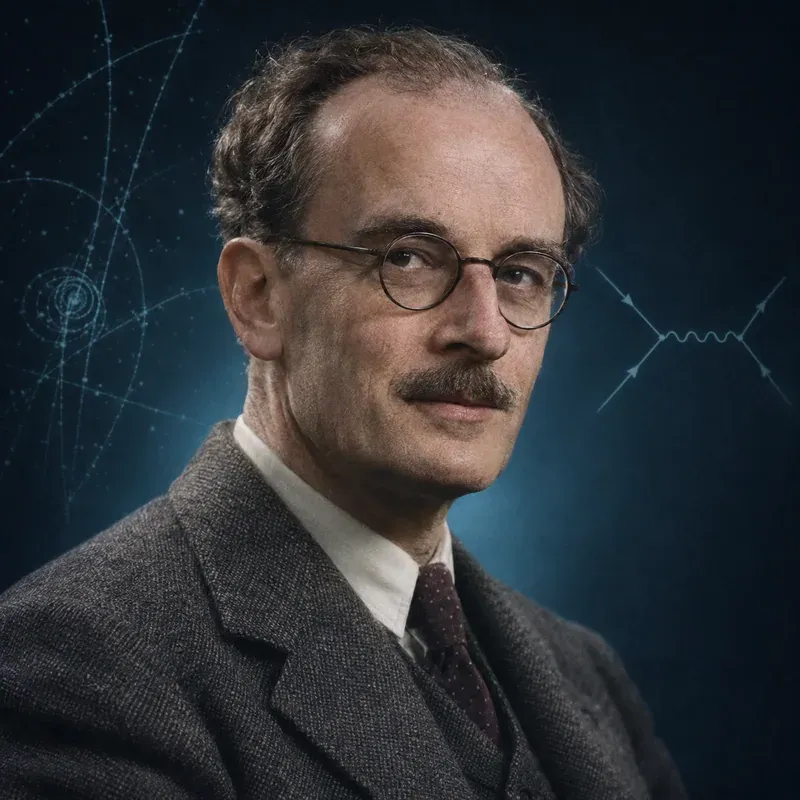
- Otto Hahn1879–1968Discovery of nuclear fission (1938, with Strassmann; interpreted by Meitner and Frisch)Nobel Prize 1944
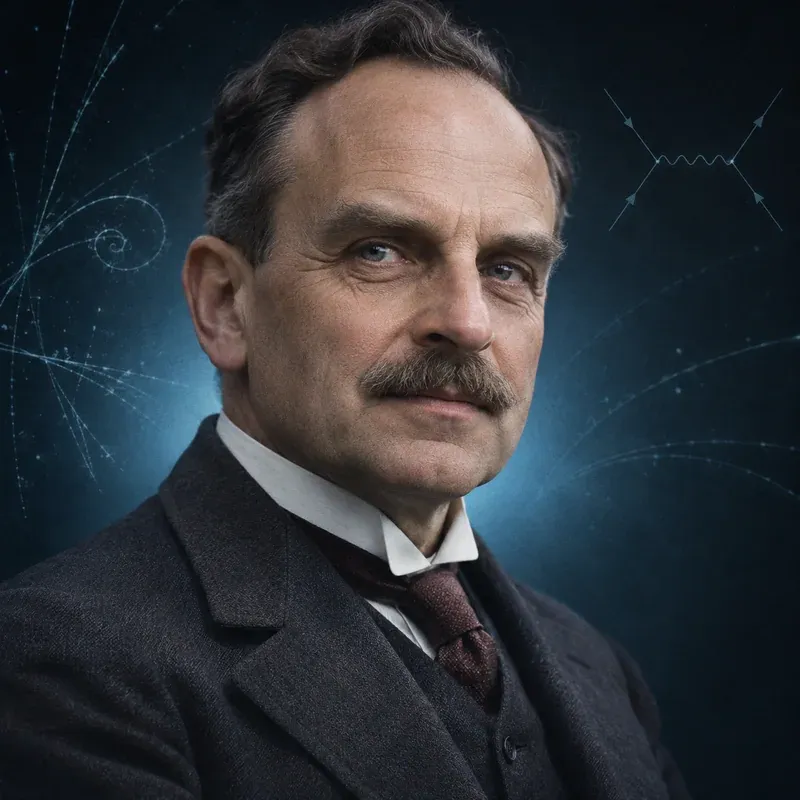
- Alexander Ilyich Leipunsky1903–1972First recoil experiment on beta decay supporting the neutrino (published 1936)
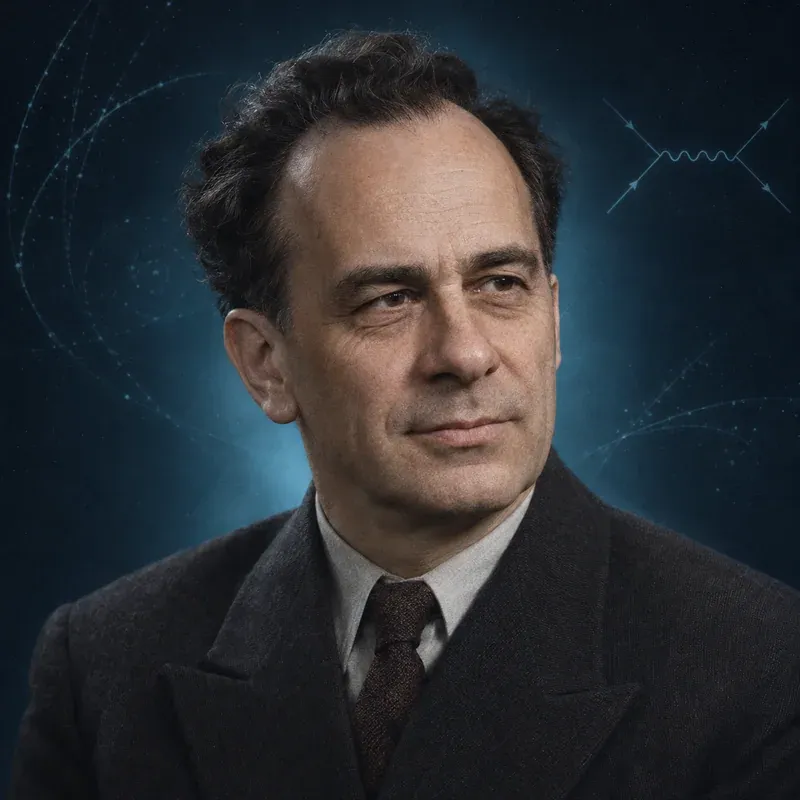
- Lise Meitner1878–1968Beta- and gamma-ray spectroscopy with Otto Hahn
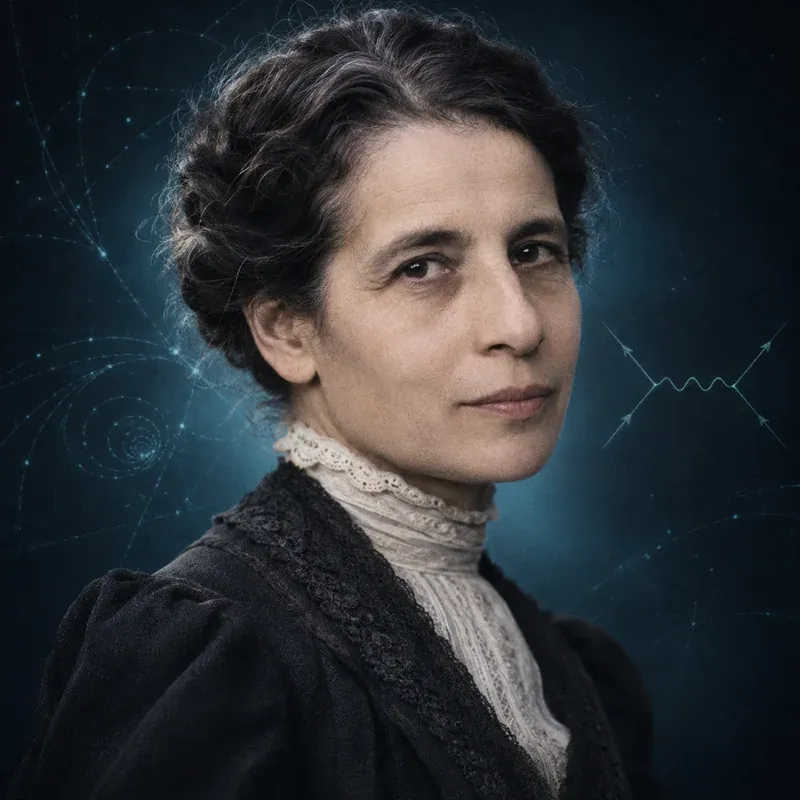
- Ernest Rutherford1871–1937Naming alpha and beta rays (1899)Nobel Prize 1908
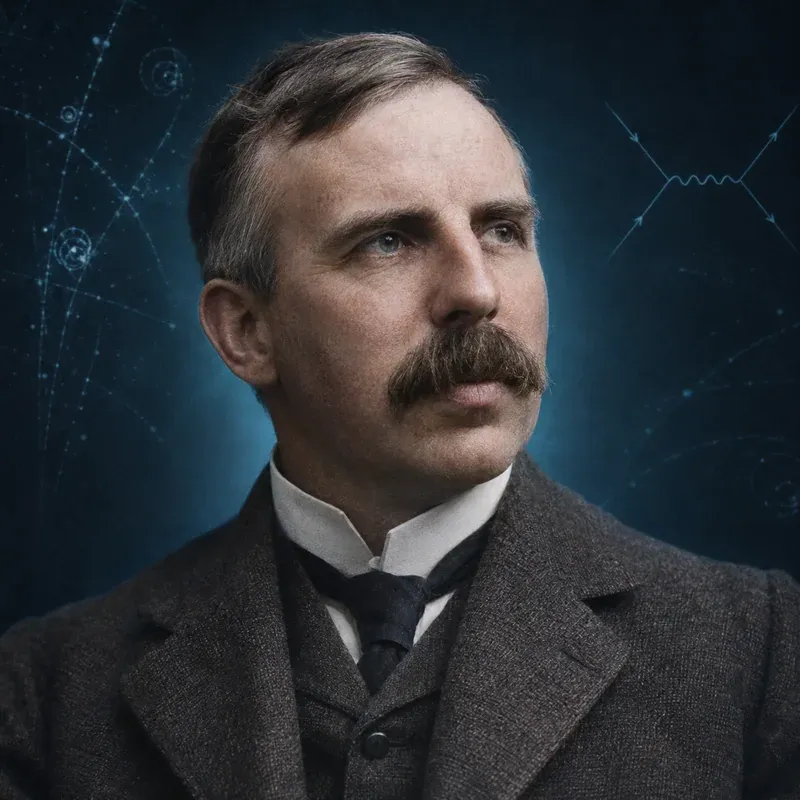
- William Alfred Wooster1903–1984Ellis–Wooster calorimetric experiment (1927)
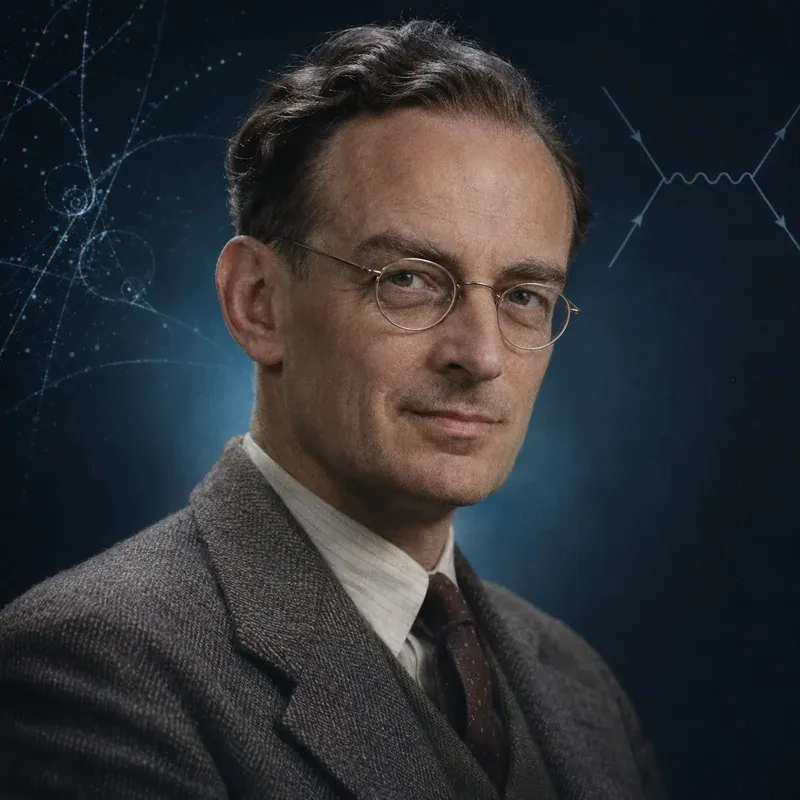
Theory
- Evgeny Kh. AkhmedovResonant spin-flavour precession of neutrinos (1988)
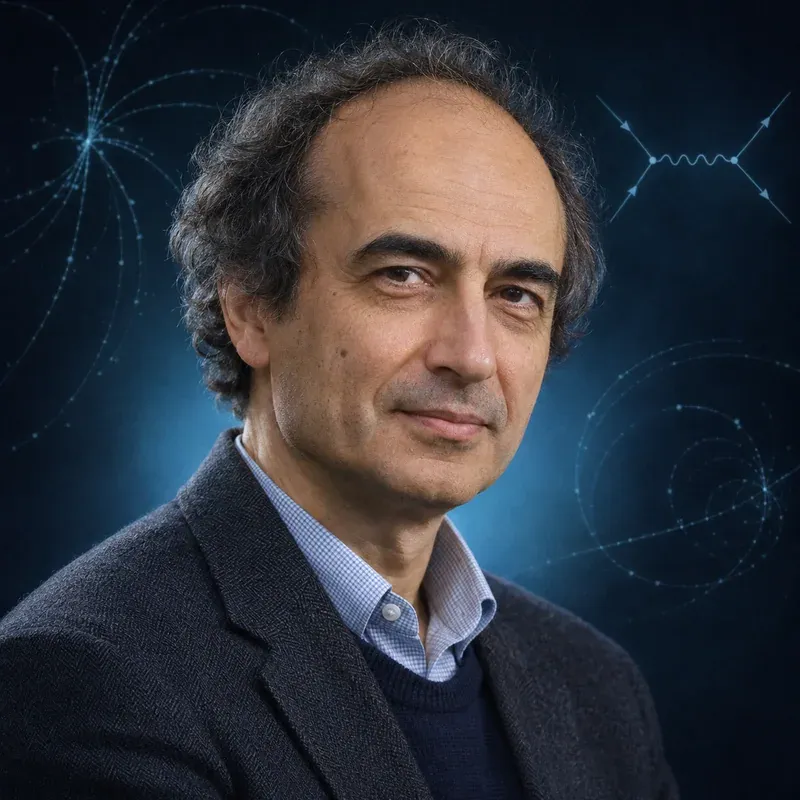
- Guido Altarelli1941–2015Altarelli–Parisi (DGLAP) evolution equations (1977)
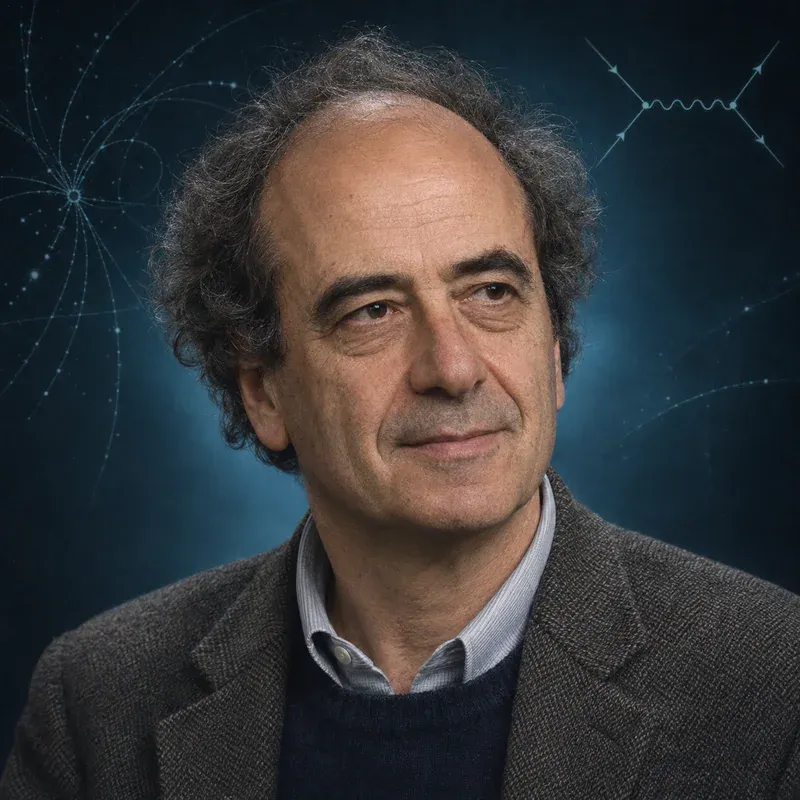
- Gurgen Askaryan1928–1997Prediction of coherent radio emission from particle showers, the Askaryan effect (1962)
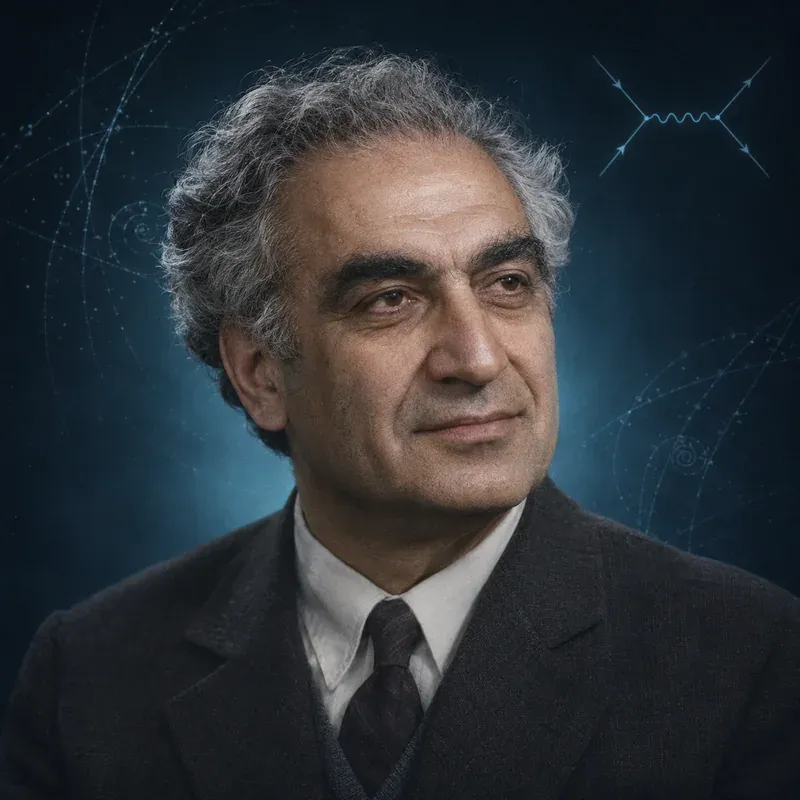
- Vernon Duane Bargerb. 1938Matter effects on three-neutrino oscillations (1980)
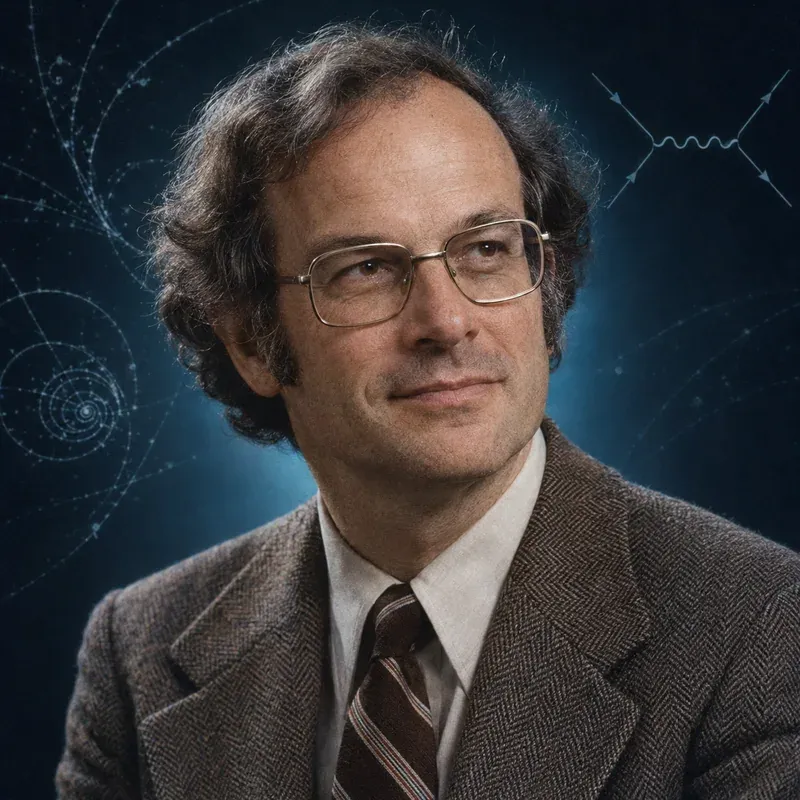
- Samoil Mikhelevich Bilenky1928–2020Theory of neutrino mixing and oscillations with Pontecorvo
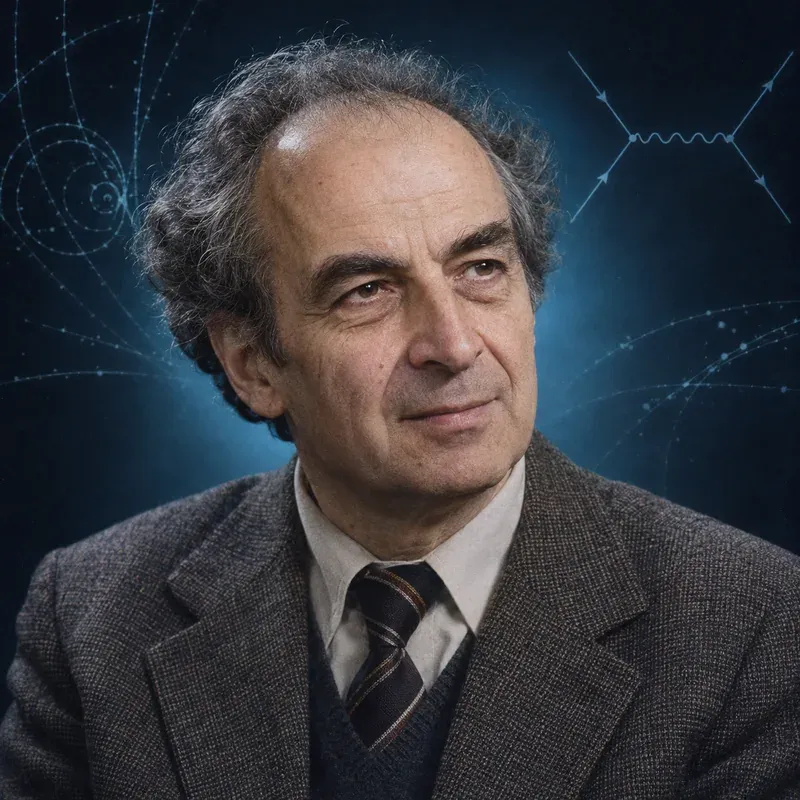
- Niels Bohr1885–1962Bohr model of the atomNobel Prize 1922
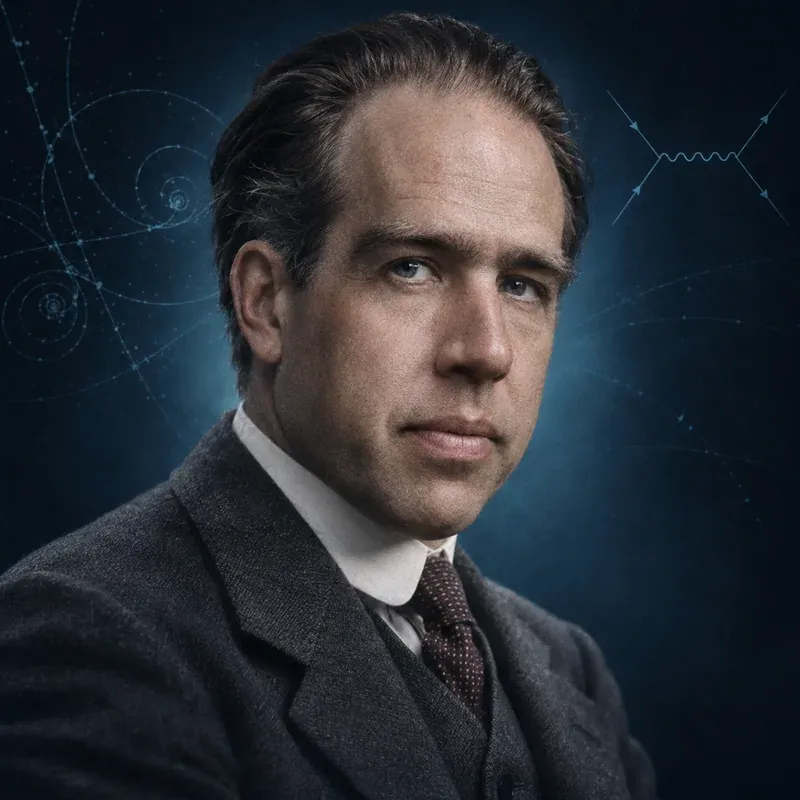
- Nicola Cabibbo1935–2010Cabibbo angle and universality of weak interactions (1963)
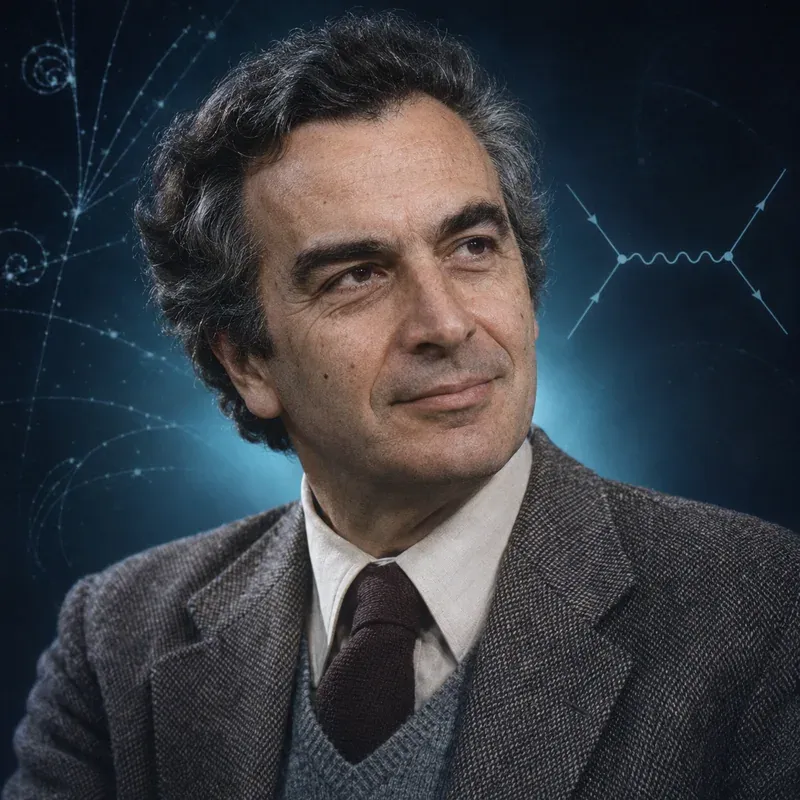
- Gerald Feinberg1933–1992μ → eγ argument for two distinct neutrinos (1958)
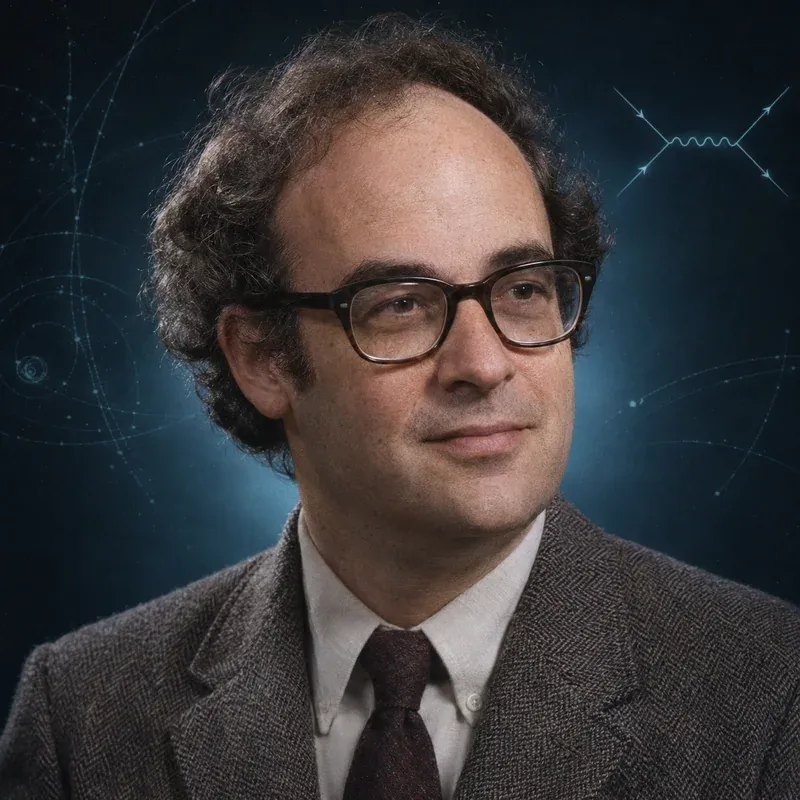
- Enrico Fermi1901–1954Theory of beta decay (Fermi interaction)Nobel Prize 1938
- Richard P. Feynman1918–1988V−A theory of the weak interaction (with Gell-Mann, 1958)Nobel Prize 1965
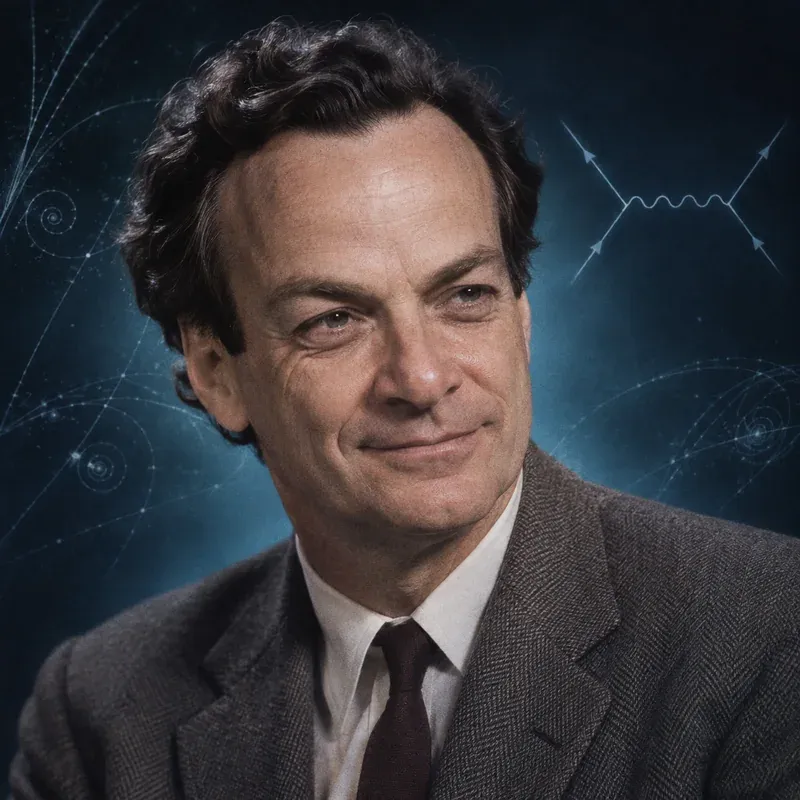
- Gianluigi FogliPioneering global analyses of neutrino oscillation data (Bari group)
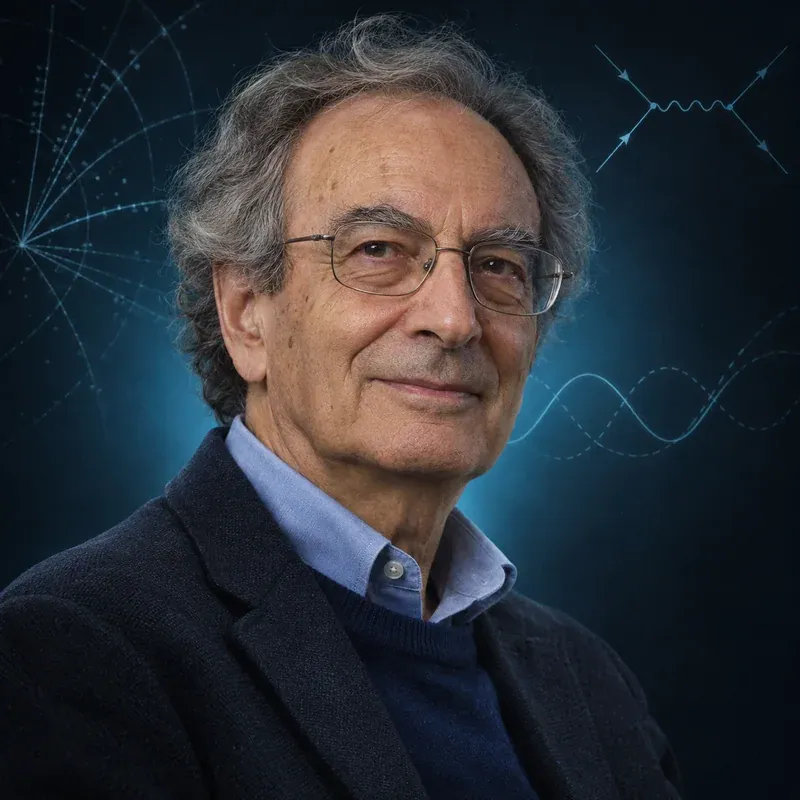
- Daniel Z. Freedmanb. 1939Prediction of coherent elastic neutrino-nucleus scattering (1974)
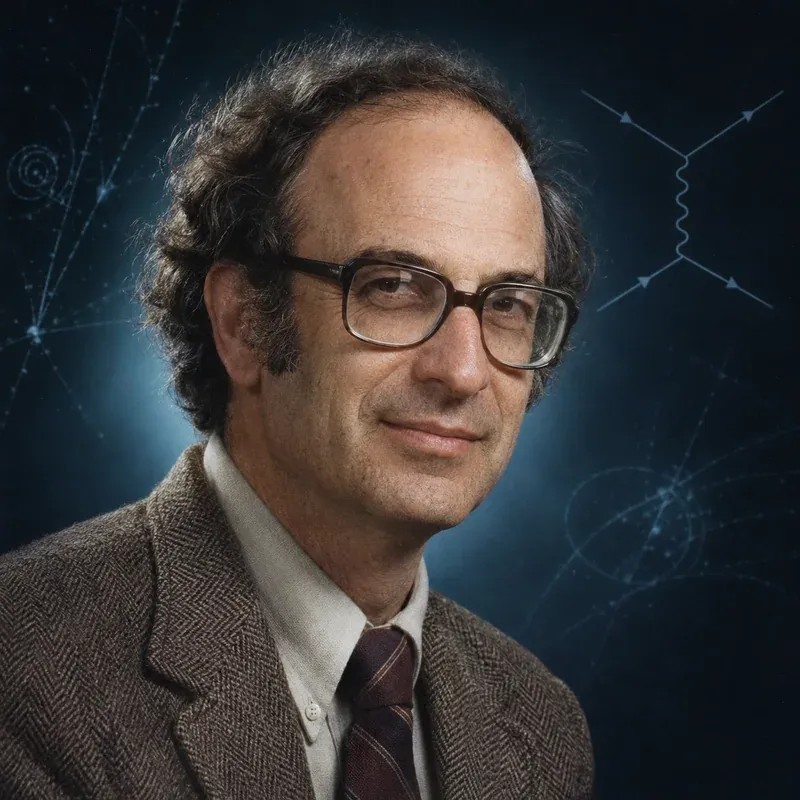
- Masataka FukugitaLeptogenesis with Yanagida (1986)
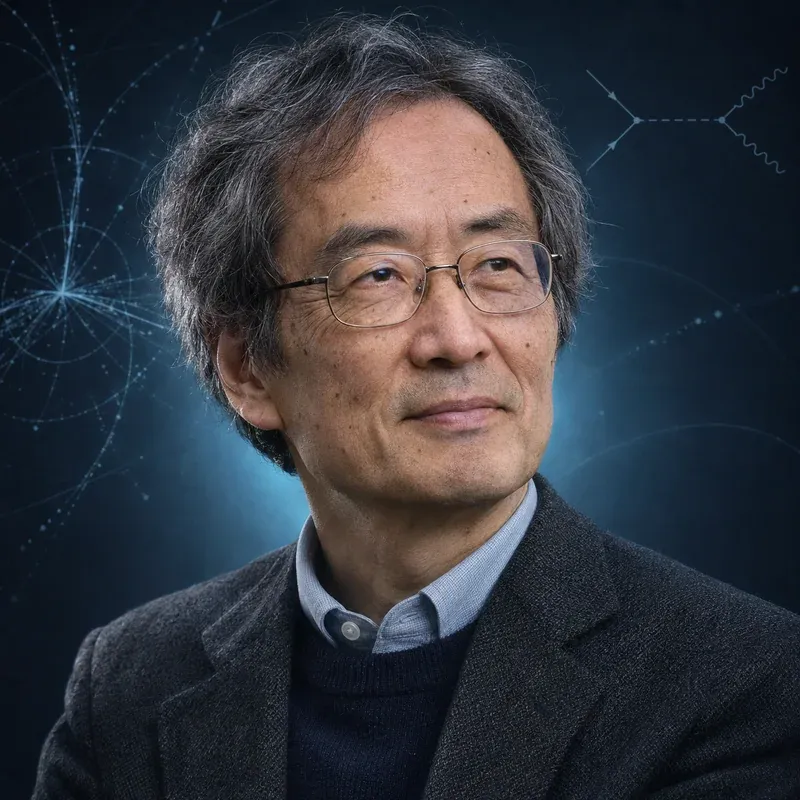
- Wendell H. Furry1907–1984Neutrinoless double-beta decay (1939)
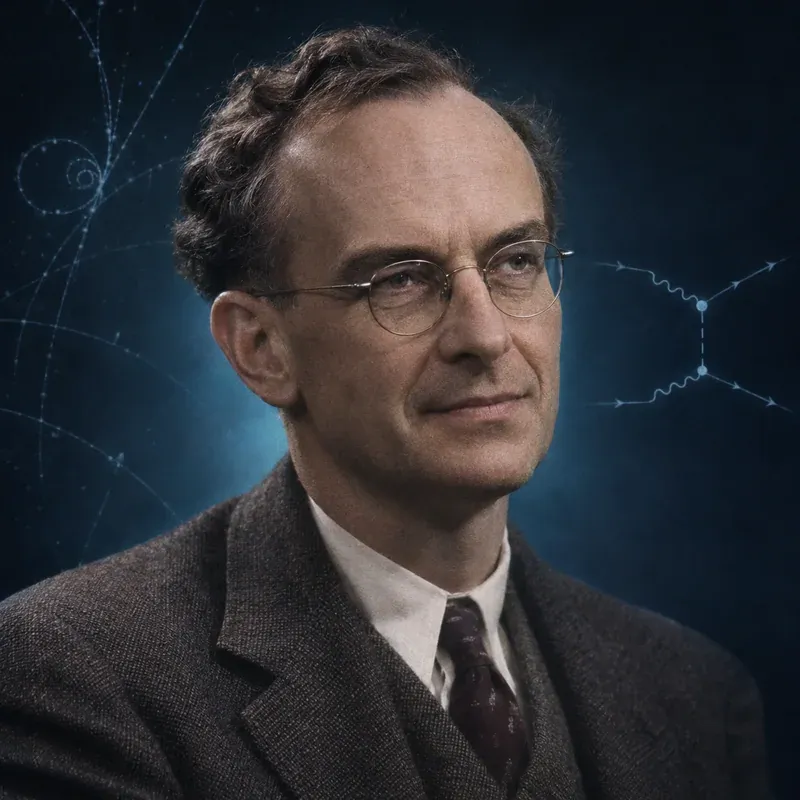
- M. Belén GavelaLeptonic CP violation at neutrino factories ("golden" channel, 2000)
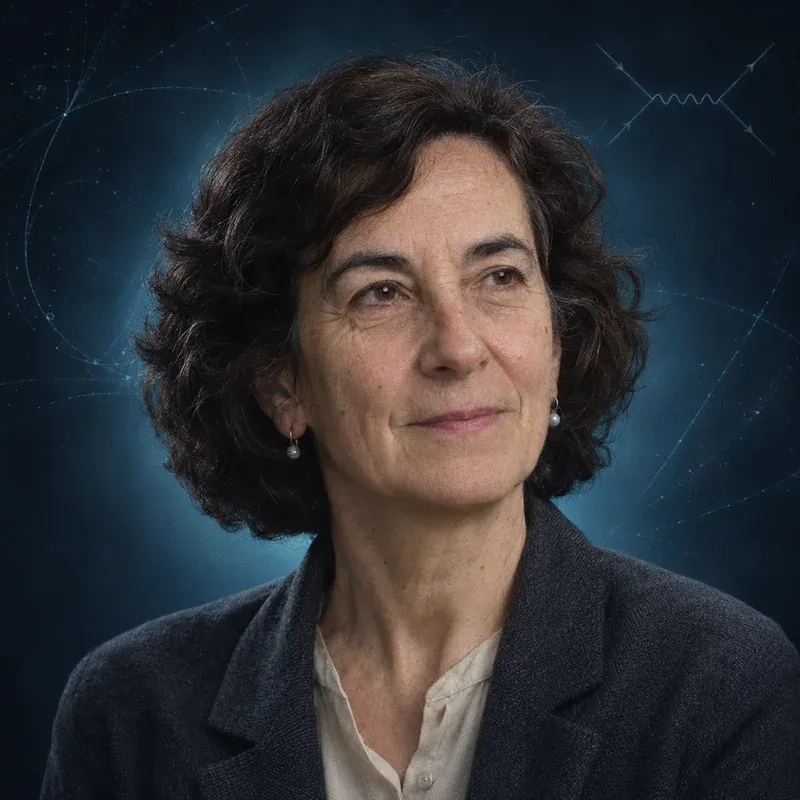
- Murray Gell-Mann1929–2019V−A theory (with Feynman, 1958)Nobel Prize 1969
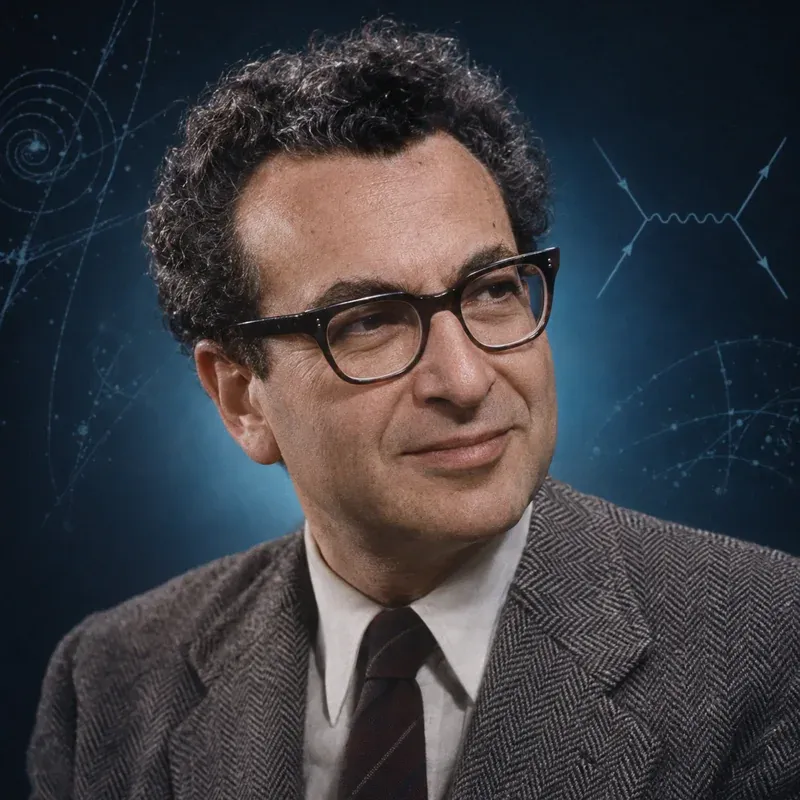
- Semyon Solomonovich Gershtein1929–2023Cosmological neutrino-mass bound (with Zeldovich, 1966)
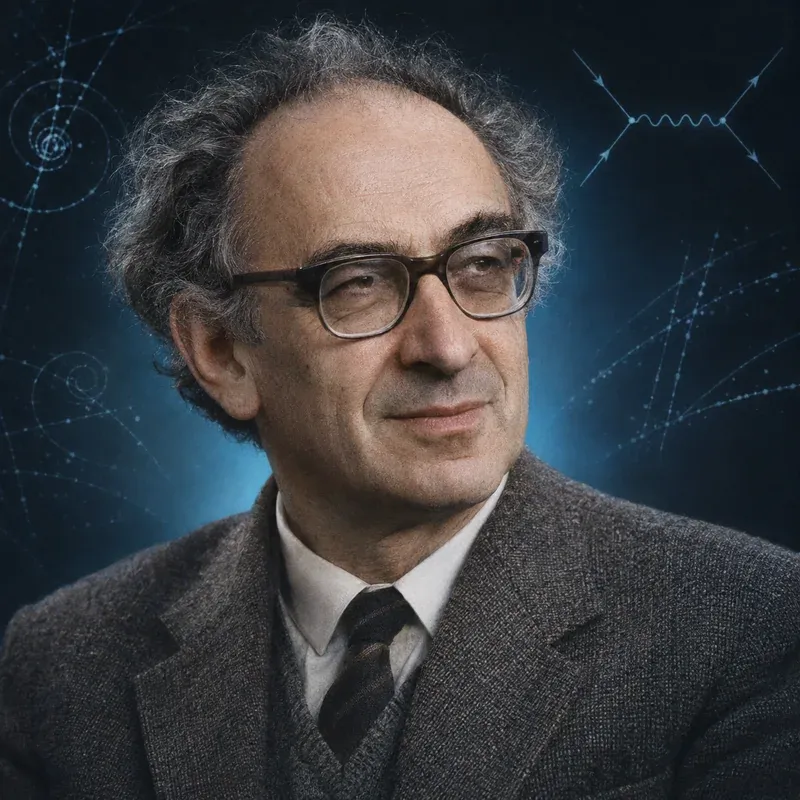
- Sheldon Lee Glashowb. 1932SU(2)×U(1) electroweak structure with the Z0 (1961)Nobel Prize 1979
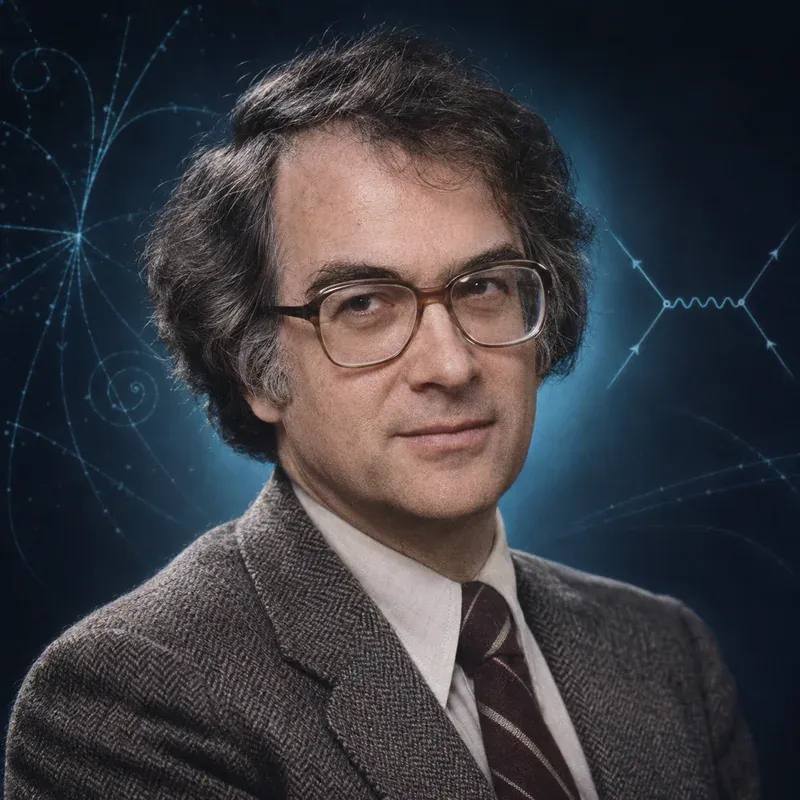
- M. Concepción (Concha) González-GarcíaNuFIT global analyses of neutrino oscillation data
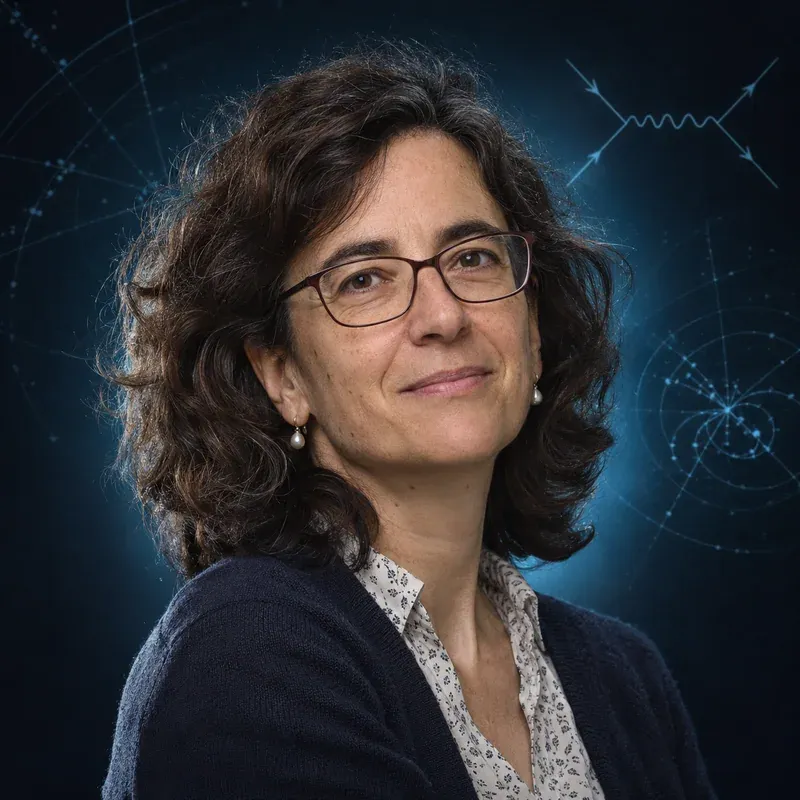
- Vladimir Naumovich Gribov1930–1997Gribov–Pontecorvo analysis of solar neutrino oscillations
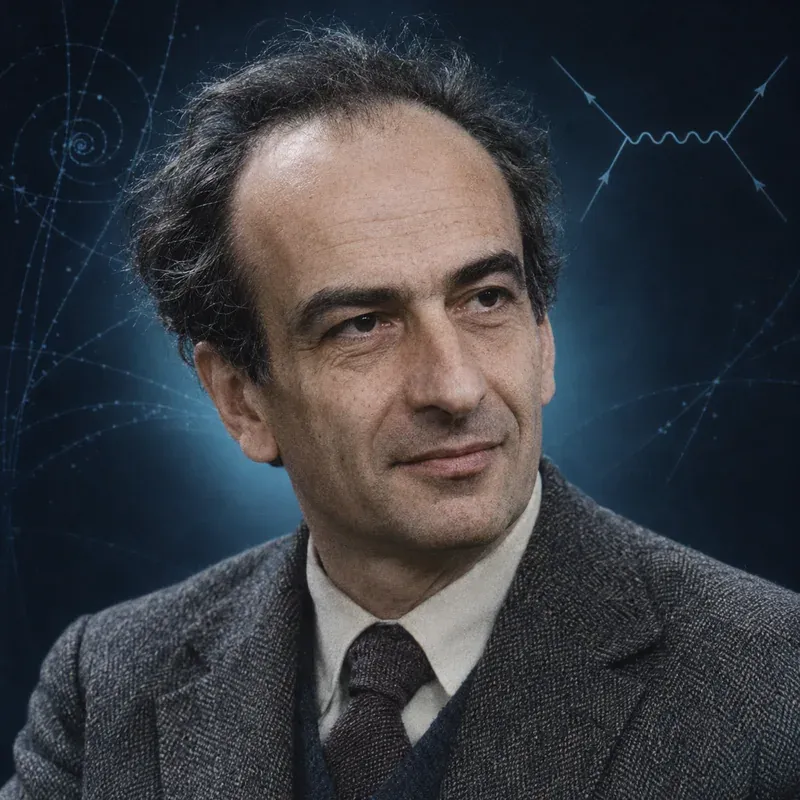
- George Marx (Marx György)1927–2002Early postulate of lepton-number (lepton-charge) conservation (1950s)
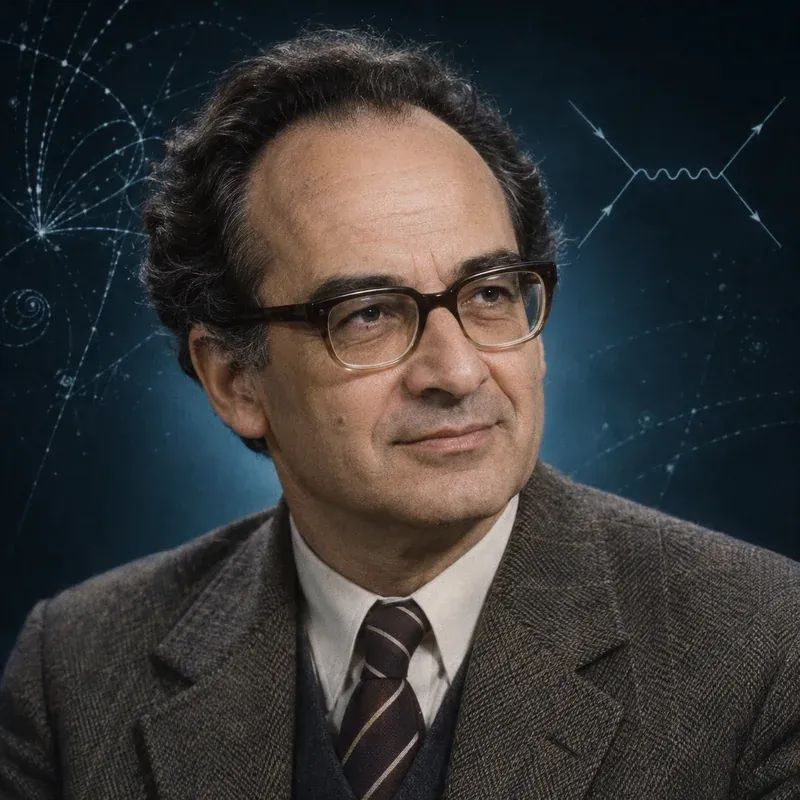
- Wick C. Haxtonb. 1949Solar neutrino theory and neutrino oscillations in matter
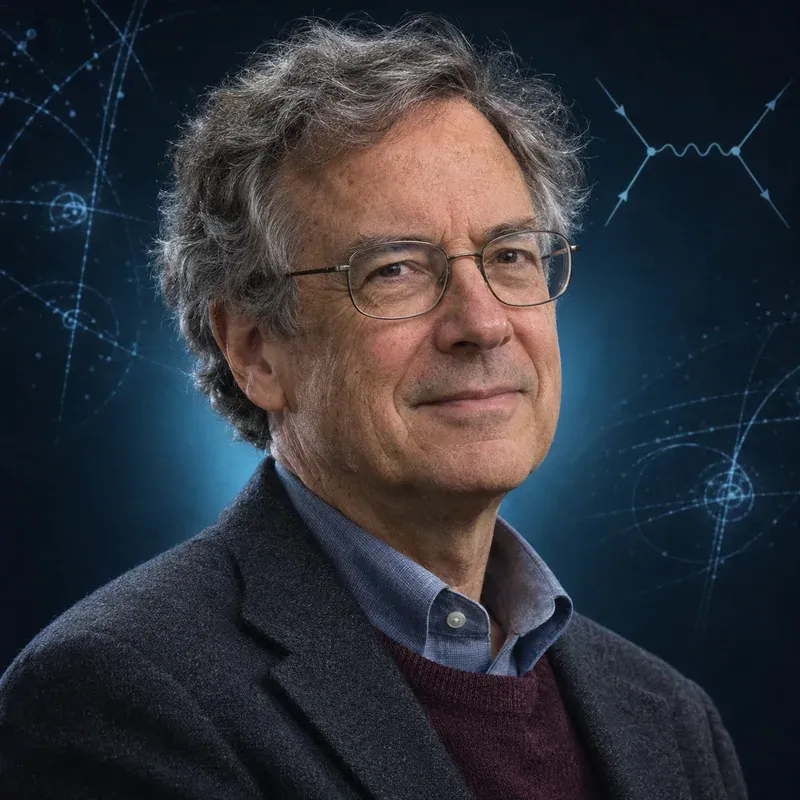
- Gerardus 't Hooftb. 1946Proof that the electroweak gauge theory is renormalizable (1971)Nobel Prize 1999
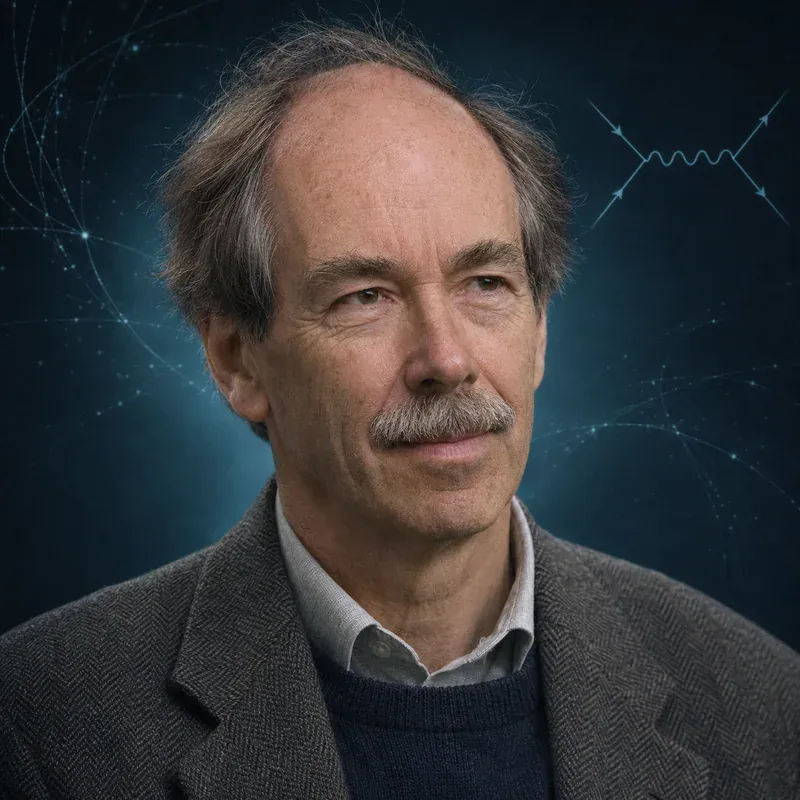
- Boris J. Kayser1938–2024Quantum mechanics of neutrino oscillation (1981)
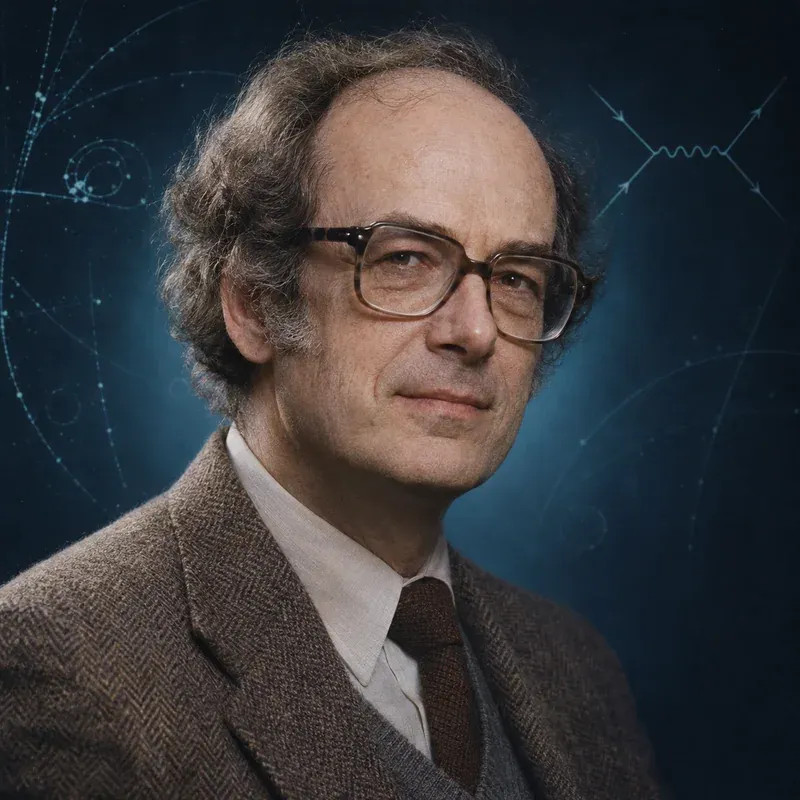
- Makoto Kobayashib. 1944Kobayashi–Maskawa theory of CP violation (1973)Nobel Prize 2008
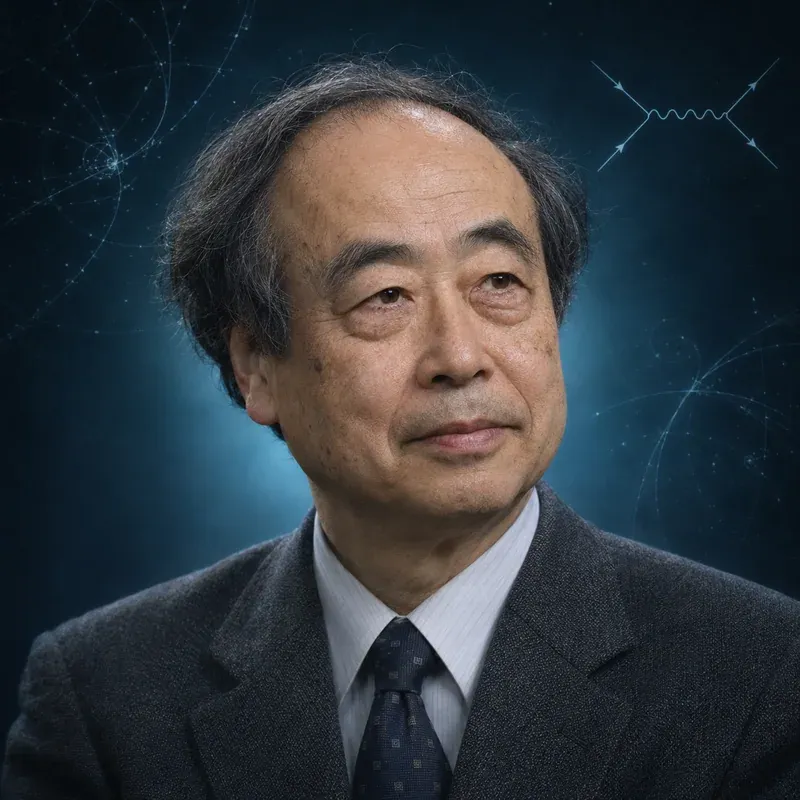
- Emil Konopinski1911–1990Theory of beta decay; book 'The Theory of Beta Radioactivity'
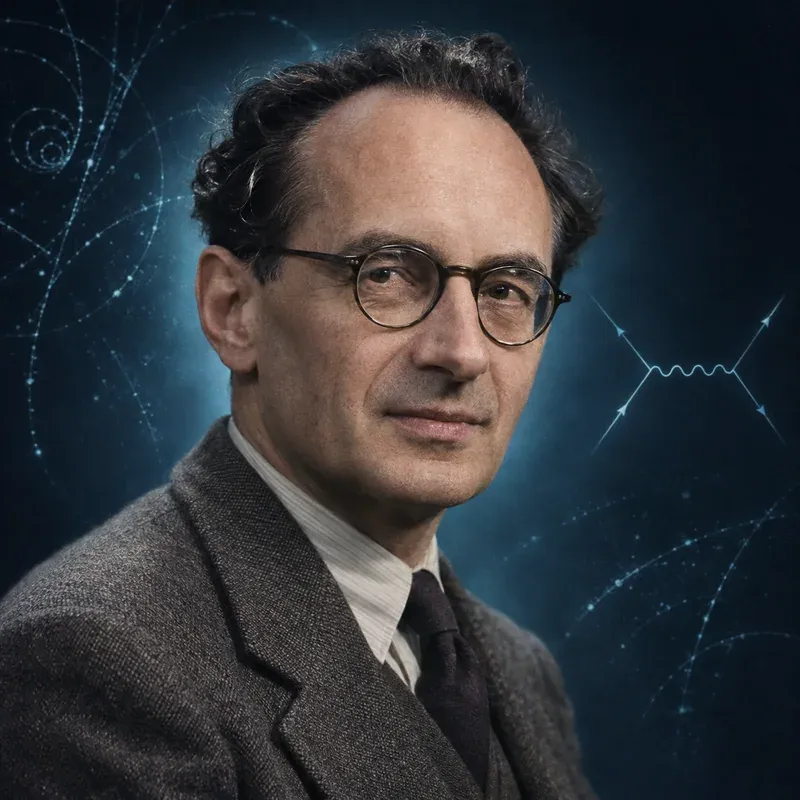
- Vadim Alekseevich Kuzmin1937–2015Proposal of the gallium-germanium solar neutrino detector (1964–65)
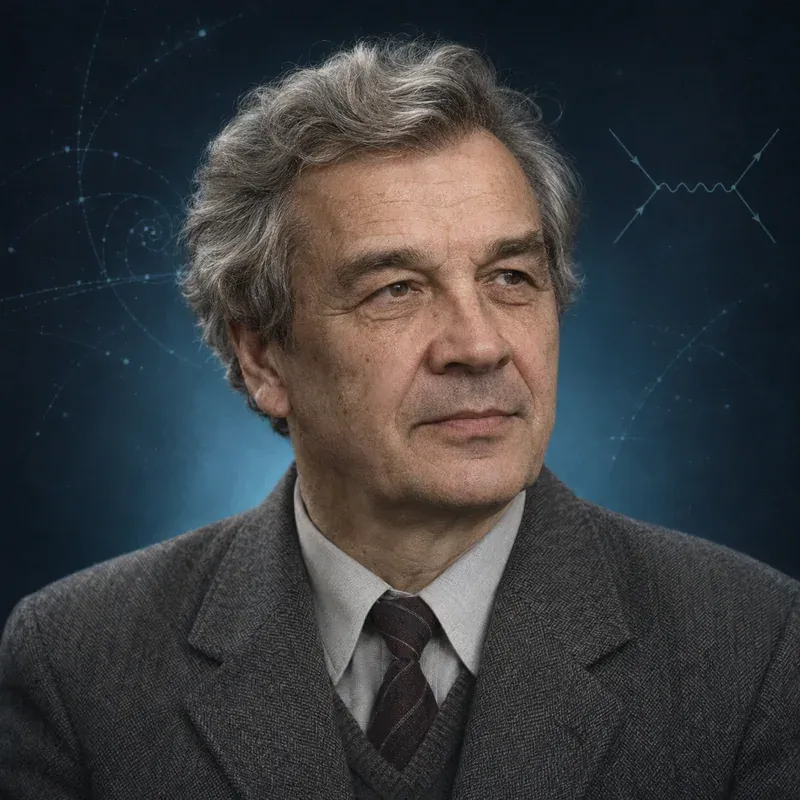
- Lev Landau1908–1968Two-component neutrino theory and CP ('combined parity') invariance (1957)Nobel Prize 1962
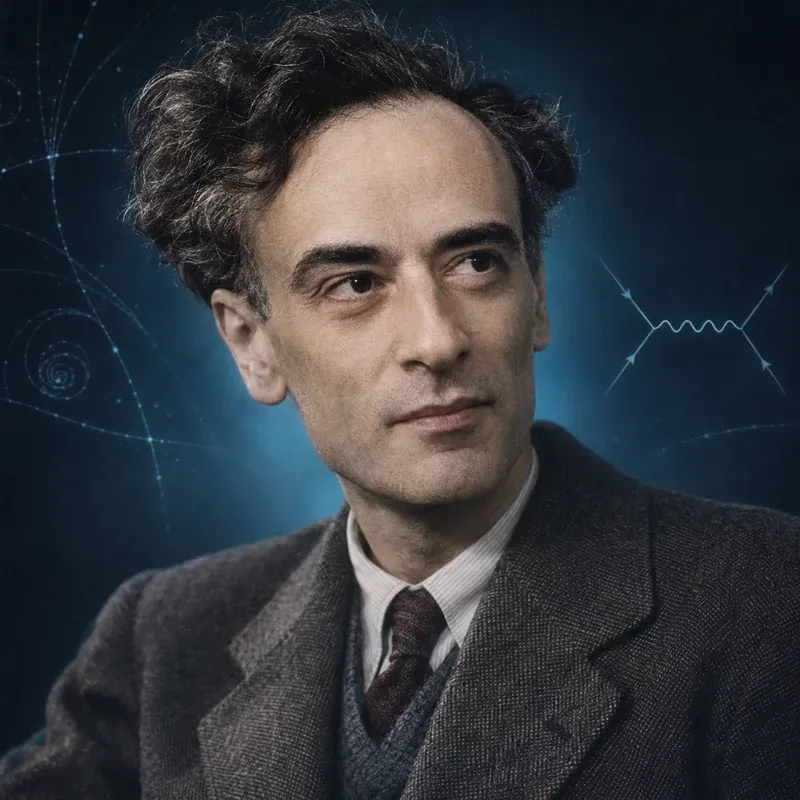
- Tsung-Dao Lee1926–2024Parity violation in weak interactions (1956, with Yang)Nobel Prize 1957
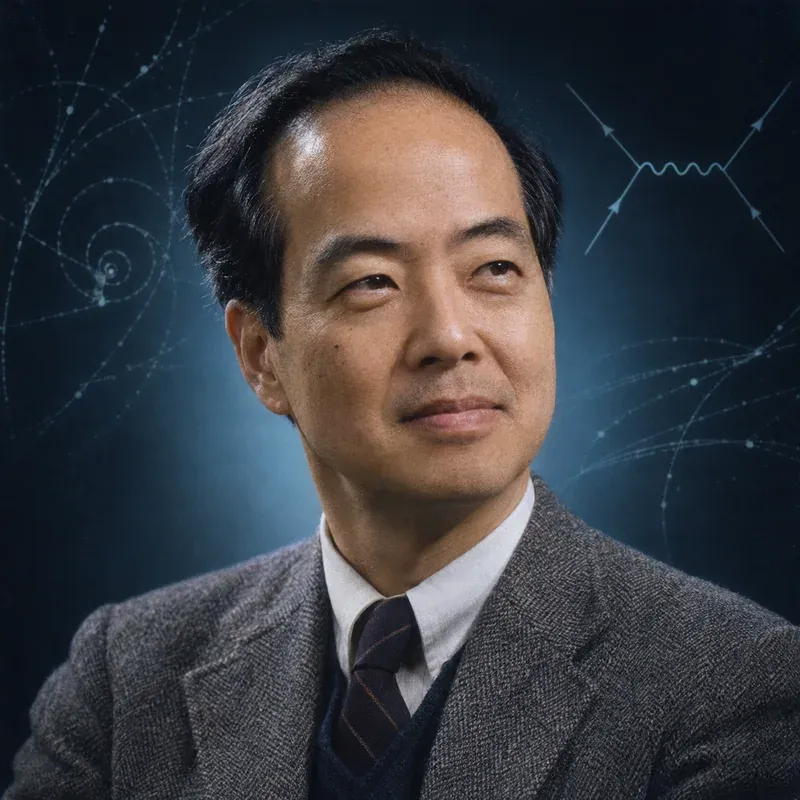
- Eligio LisiGlobal three-flavour oscillation analyses (Bari group)
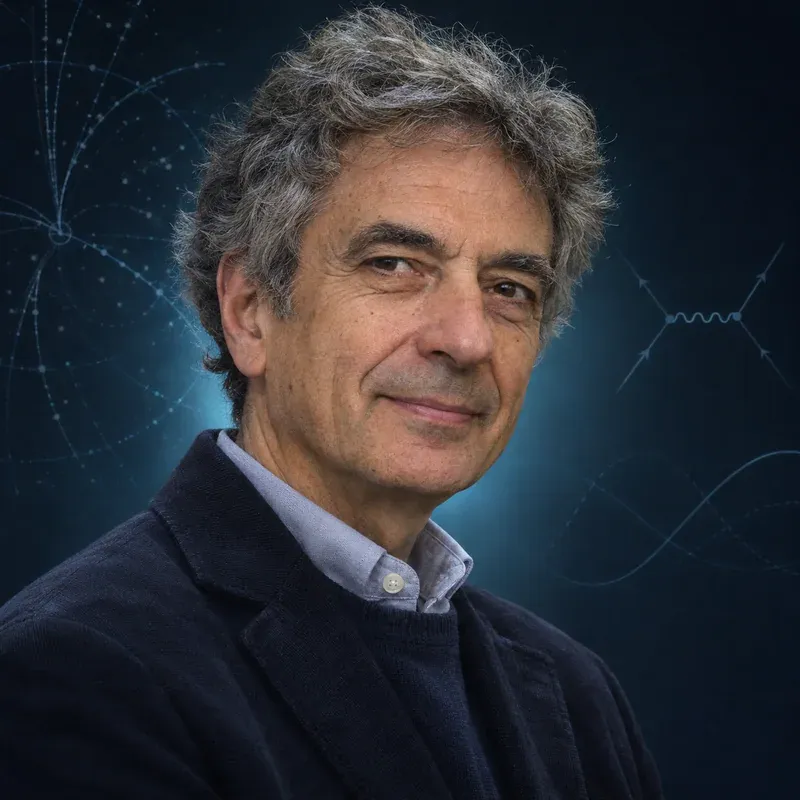
- Luciano Maianib. 1941GIM mechanism and the prediction of the charm quark (1970, with Glashow and Iliopoulos)
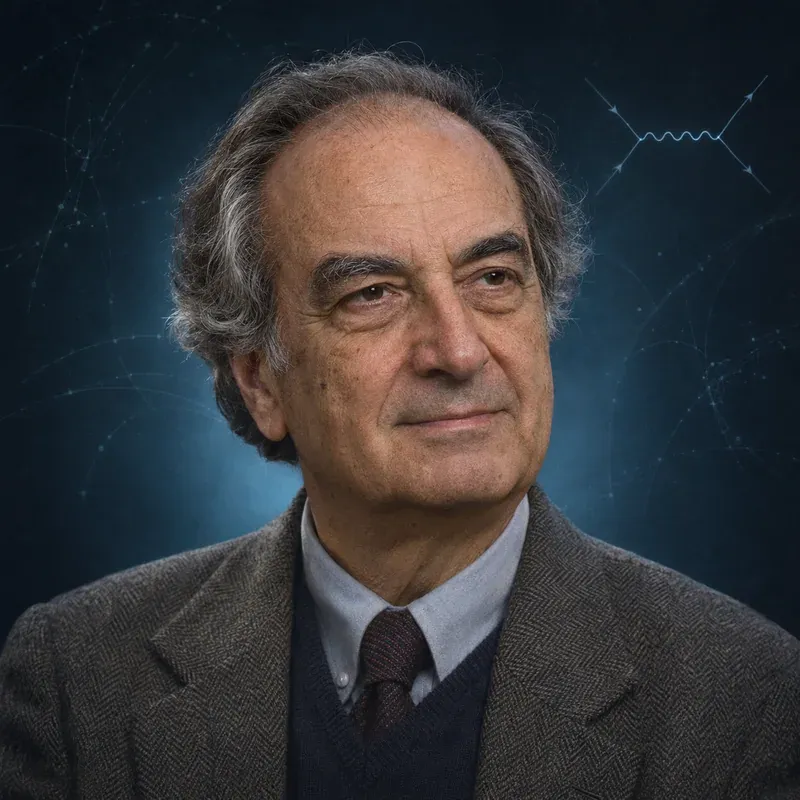
- Ettore Majorana1906–1938Majorana fermions / Majorana neutrino (1937)
- Ziro MakiMaki–Nakagawa–Sakata (MNS/PMNS) lepton mixing matrix
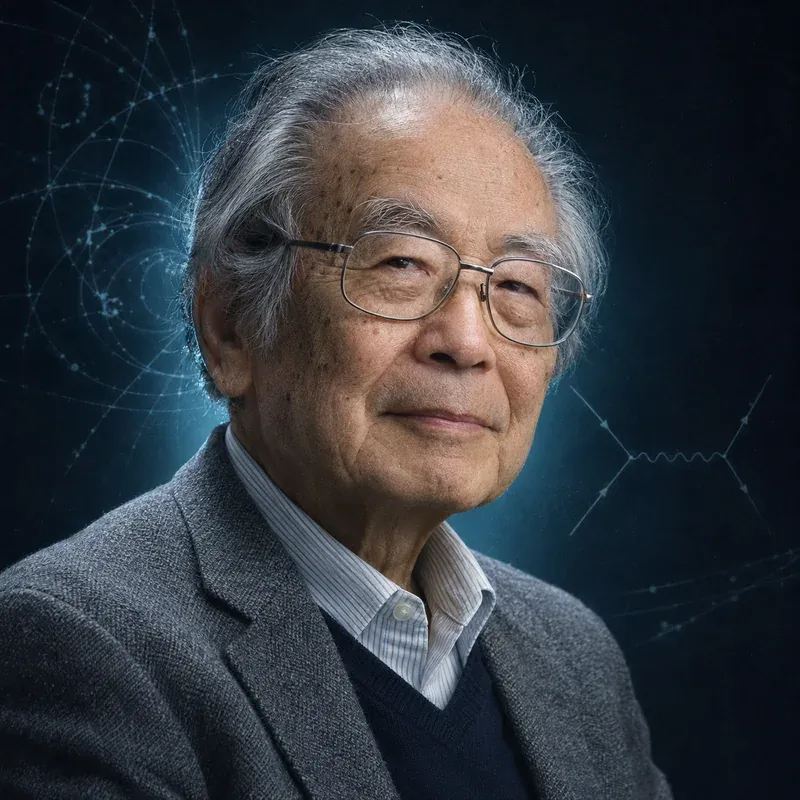
- Robert Marshak1916–1992Two-meson hypothesis (1947)
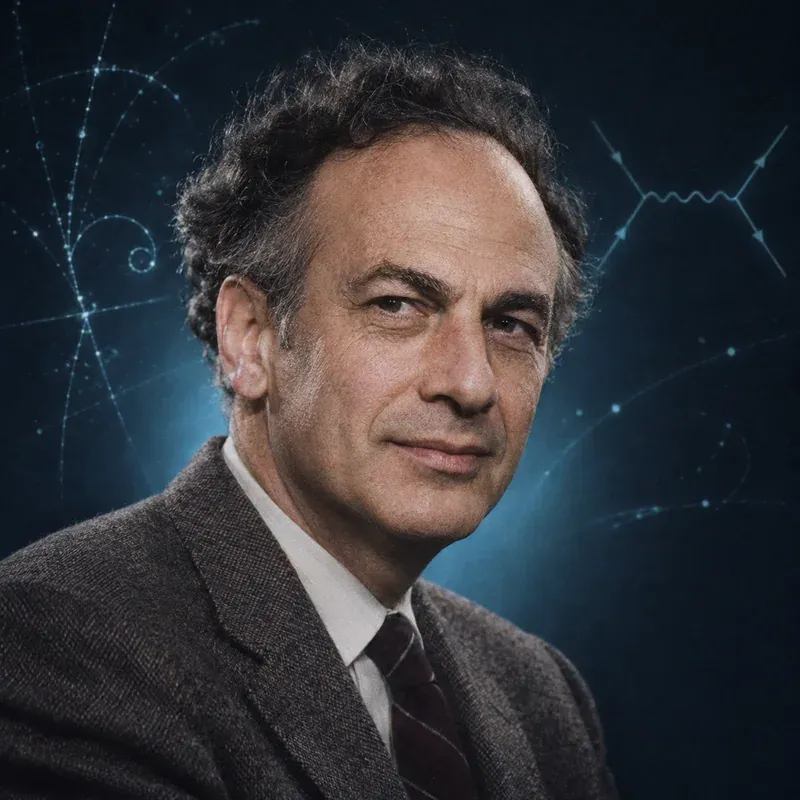
- Toshihide Maskawa1940–2021Kobayashi–Maskawa theory of CP violation (1973)Nobel Prize 2008
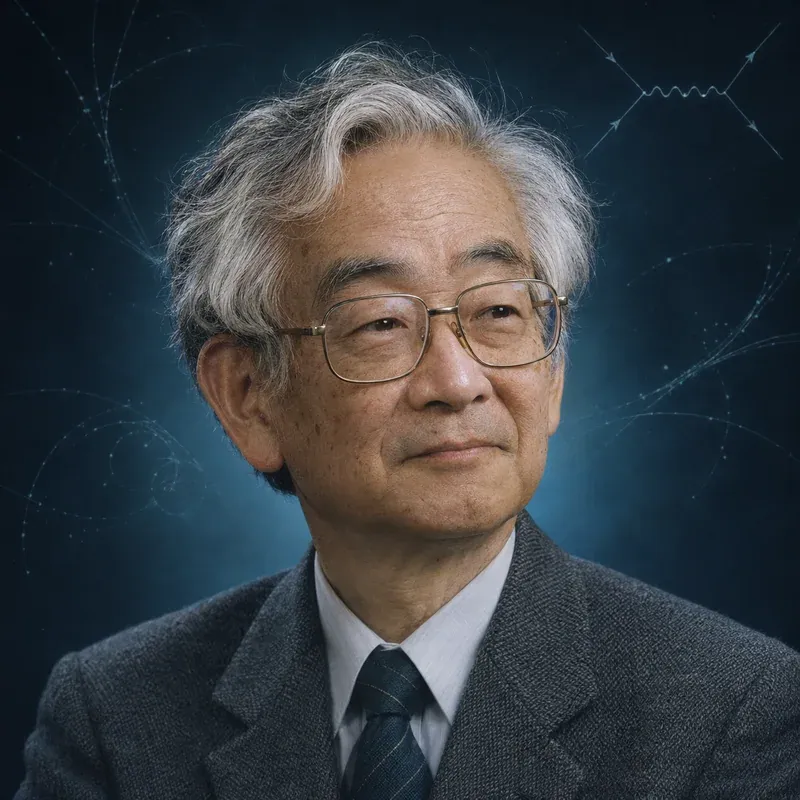
- Maria Goeppert Mayer1906–1972Prediction of two-neutrino double-beta decay (1935)Nobel Prize 1963
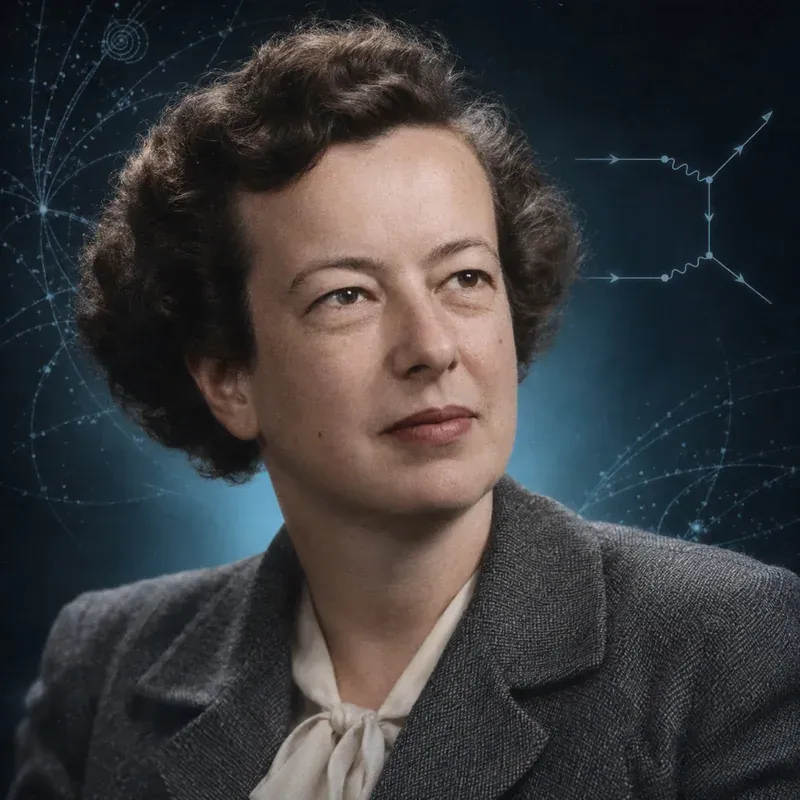
- Stanislav Pavlovich Mikheyev1940–2011MSW resonant flavour conversion (with Smirnov)
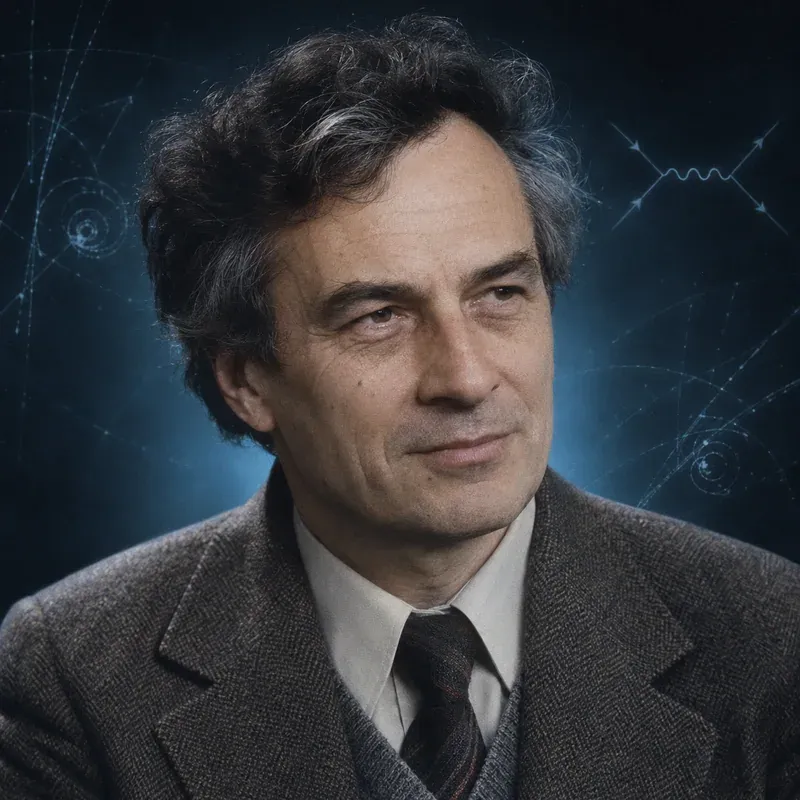
- Peter Minkowski1941–2025First seesaw mechanism paper (1977)
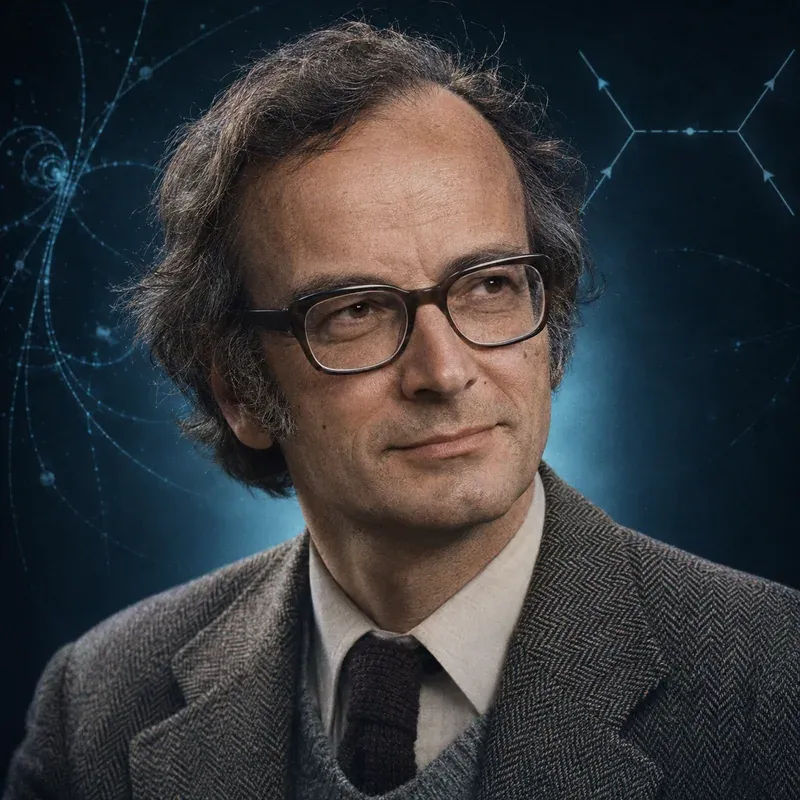
- Rabindra Nath Mohapatrab. 1944Left-right symmetric models
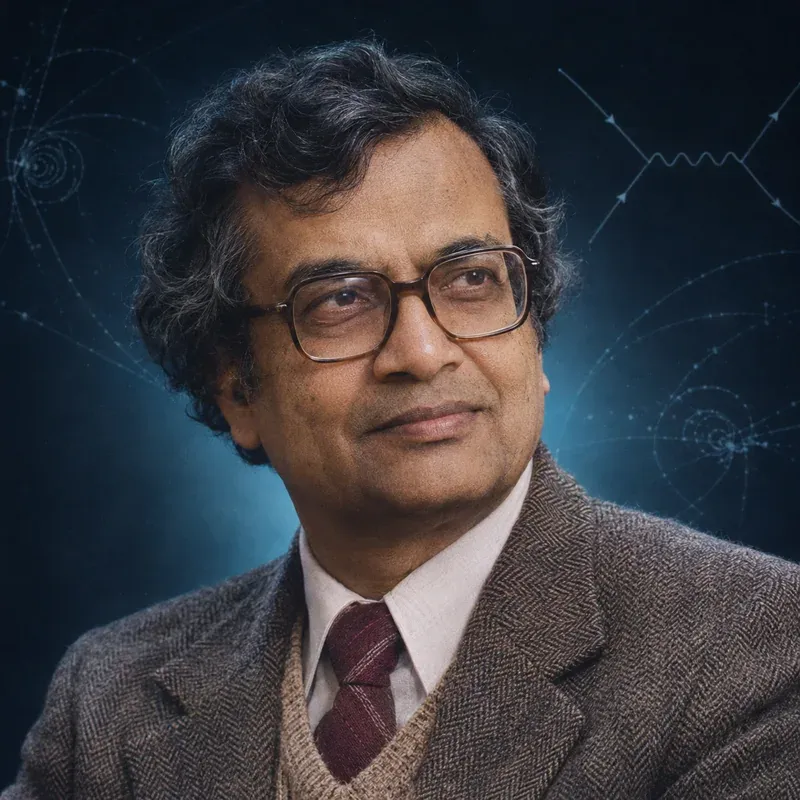
- Hitoshi Murayamab. 1964Neutrino mass anarchy (with L. Hall and N. Weiner, 2000)
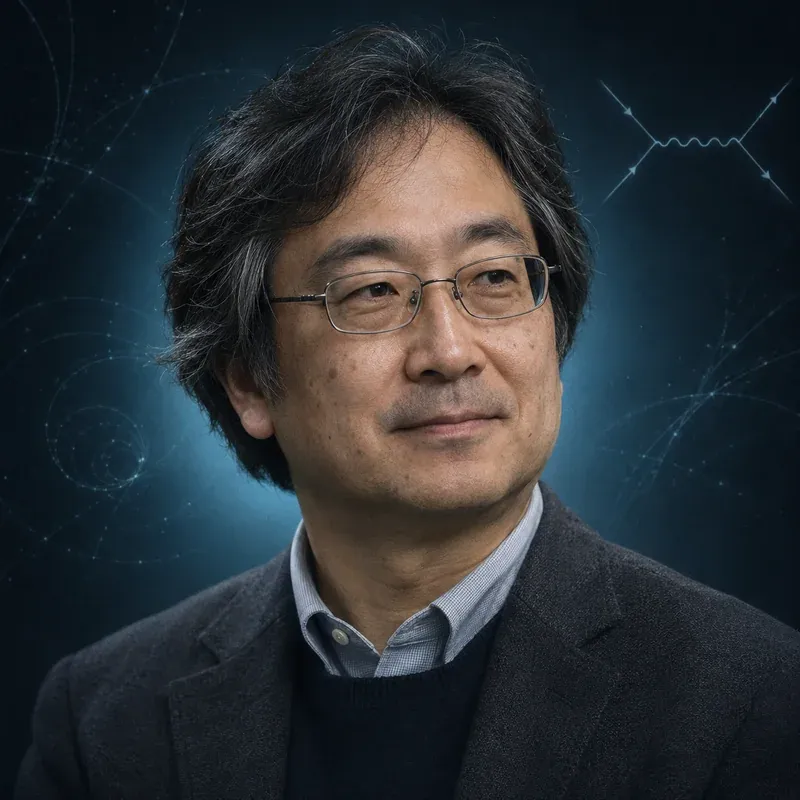
- Masami NakagawaMaki–Nakagawa–Sakata lepton mixing
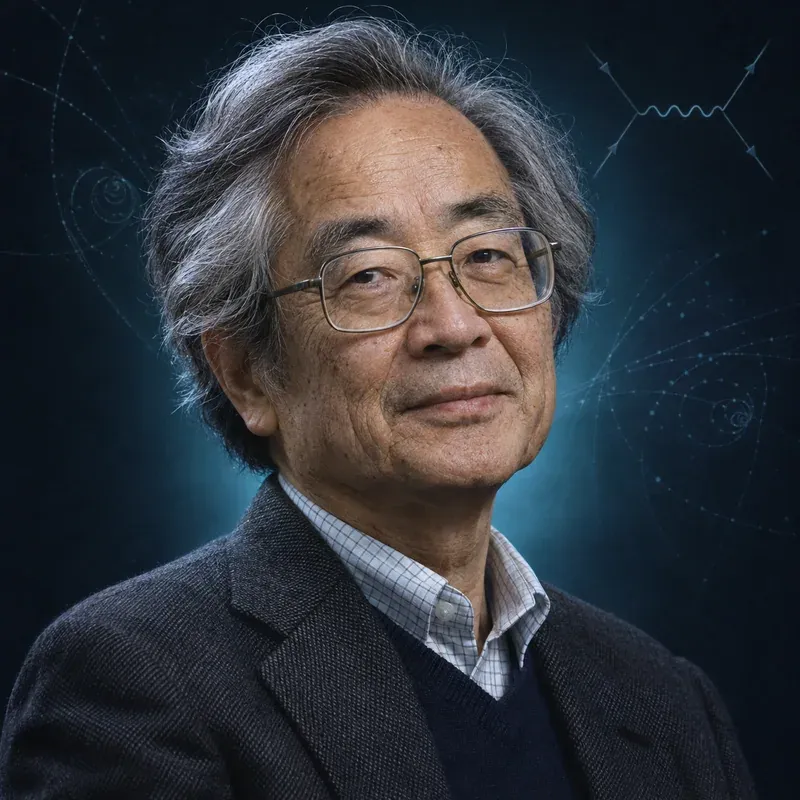
- Lev Borisovich Okun1929–2015Textbooks 'Weak Interaction of Elementary Particles' and 'Leptons and Quarks'
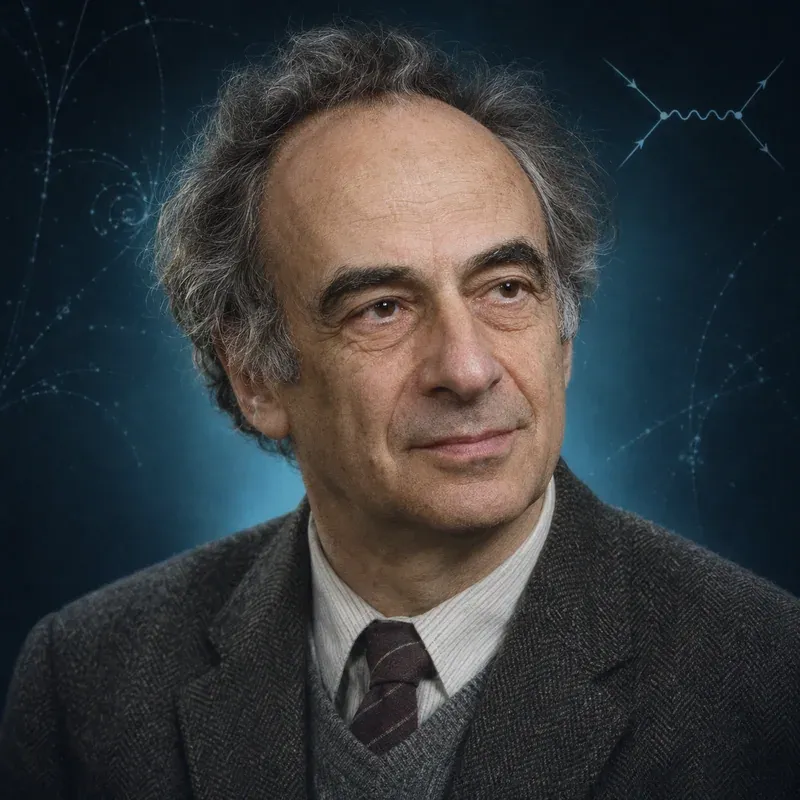
- Stephen J. ParkeAnalytic non-adiabatic (Landau–Zener) solution of the MSW effect (1986)
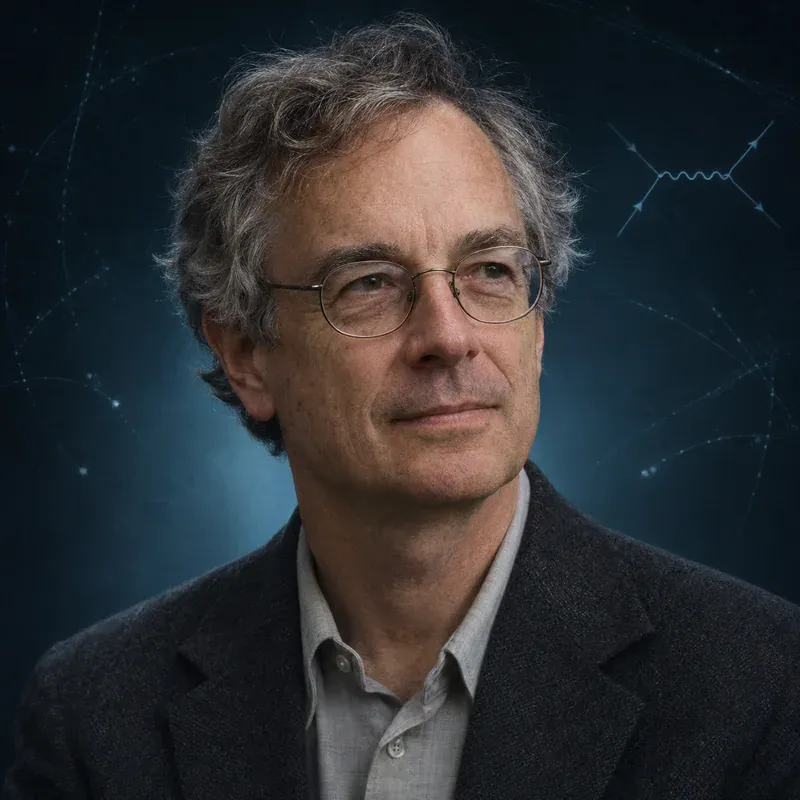
- Silvia PascoliLink between low-energy leptonic CP violation and leptogenesis
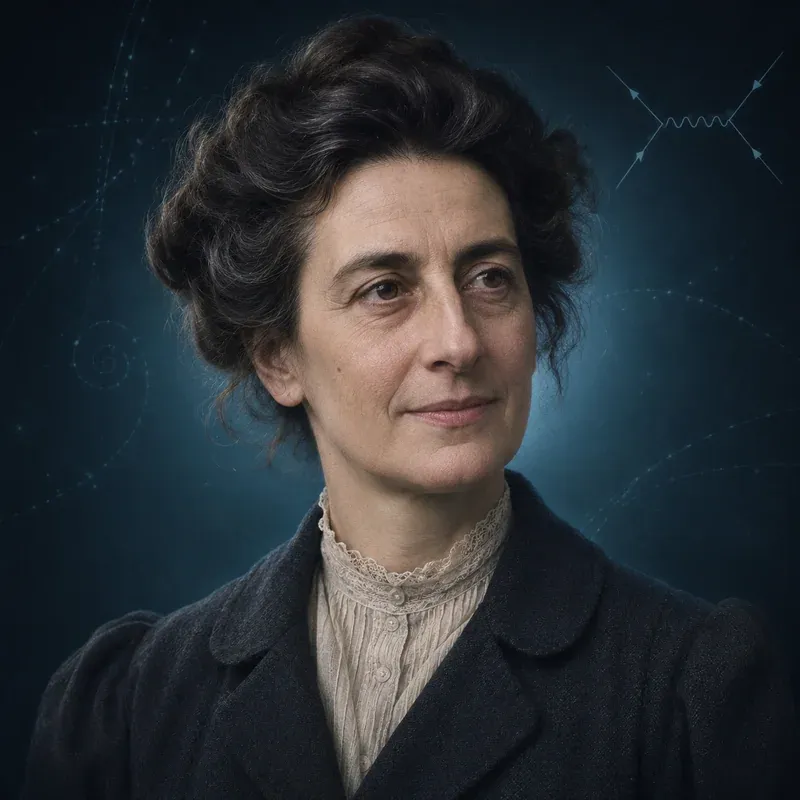
- Jogesh C. Patib. 1937Pati–Salam model (1973–74)
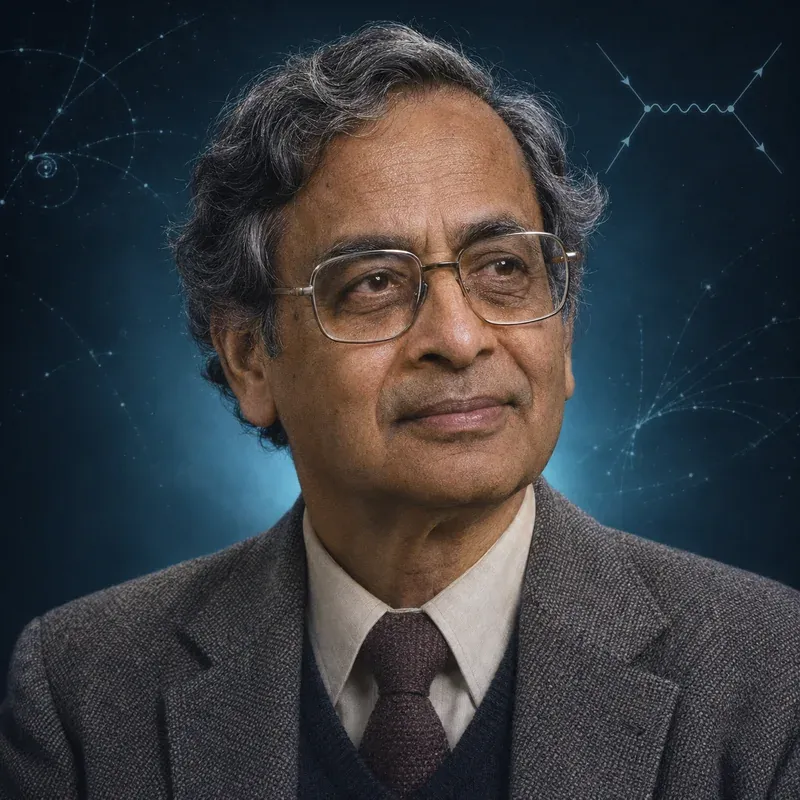
- Wolfgang Pauli1900–1958Neutrino hypothesis (1930)Nobel Prize 1945
- Rudolf Peierls1907–1995Bethe–Peierls neutrino cross-section estimate (1934)
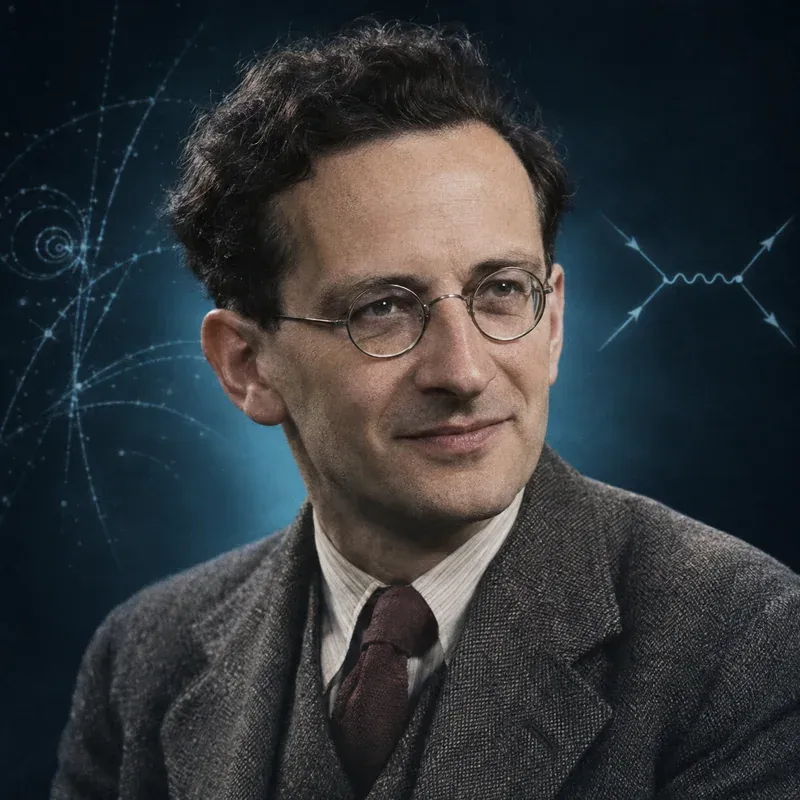
- Francis Perrin1901–1992First argument that the neutrino mass is zero or very small (1933)
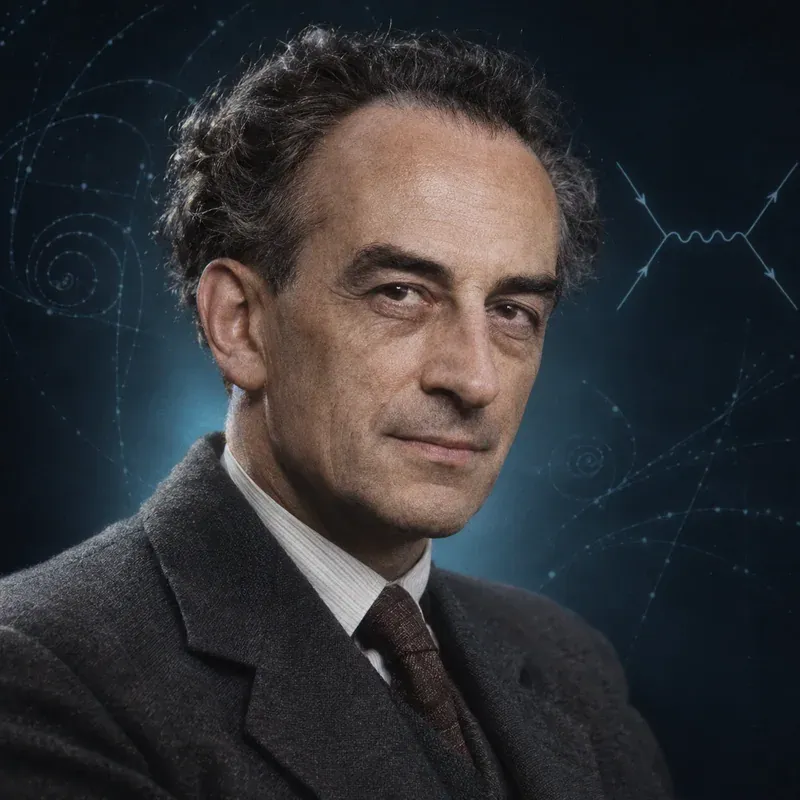
- Serguey Todorov PetcovMajorana CP phases (1980)
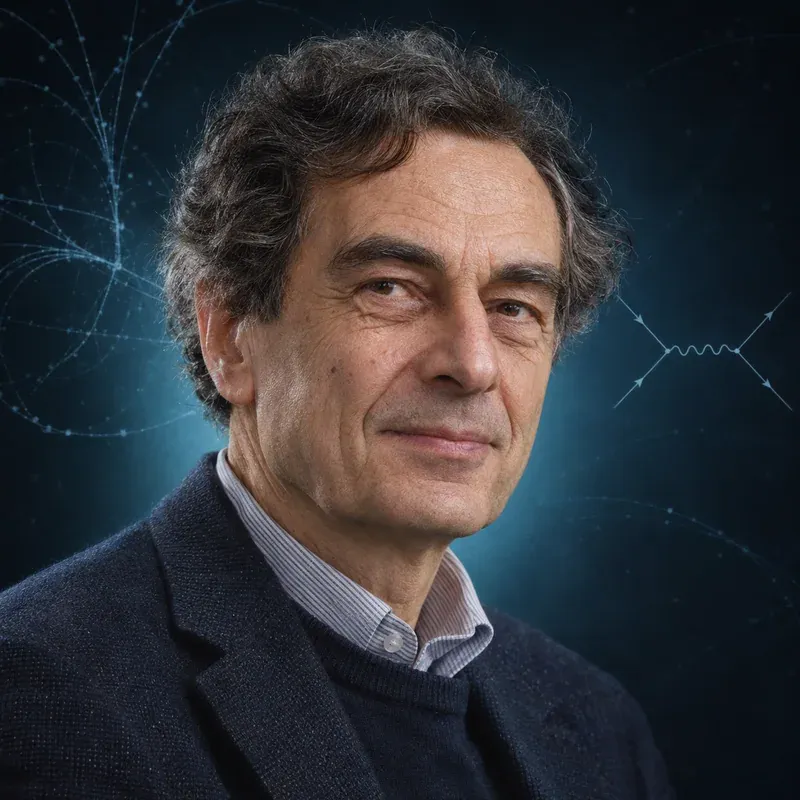
- Bruno Pontecorvo1913–1993Muon–electron universality (1947)
- Henry Primakoff1914–1983Theory of muon capture by nuclei (1959 review)
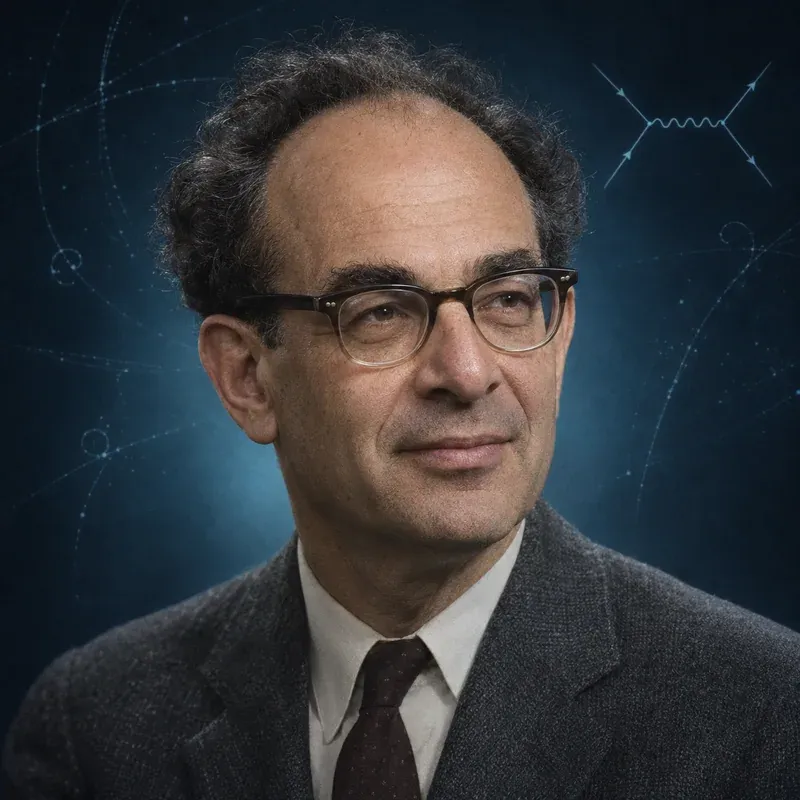
- Giulio Racah1909–1965Particle–antiparticle symmetry and Majorana neutrino reactions (1937)
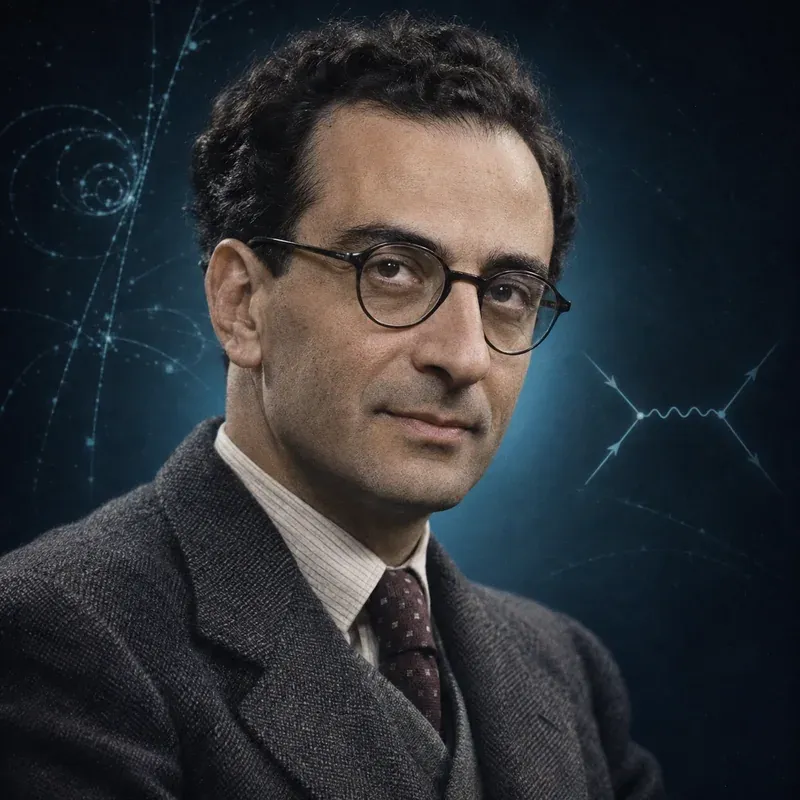
- Pierre Ramondb. 1943Seesaw mechanism with Gell-Mann and Slansky (1979)
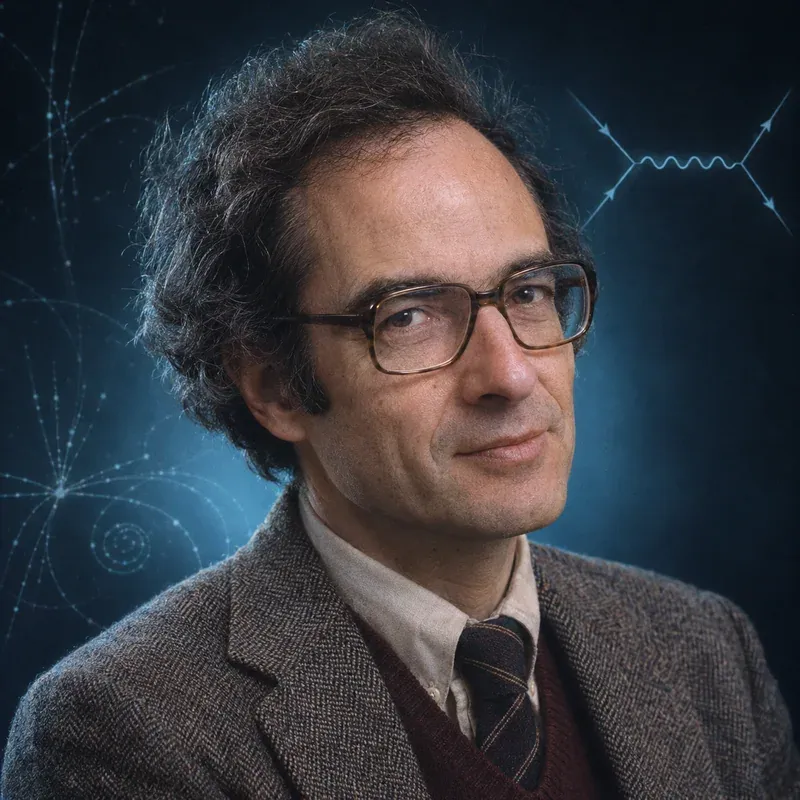
- Álvaro De Rújulab. 1944Charmonium phenomenology
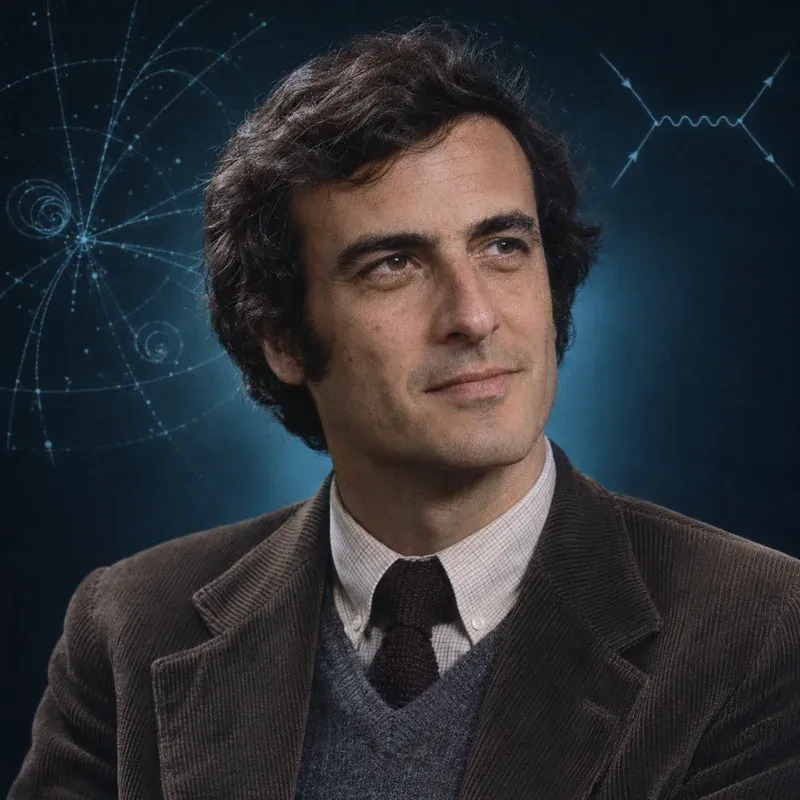
- Shoichi Sakata1911–1970Two-meson theory (1942)
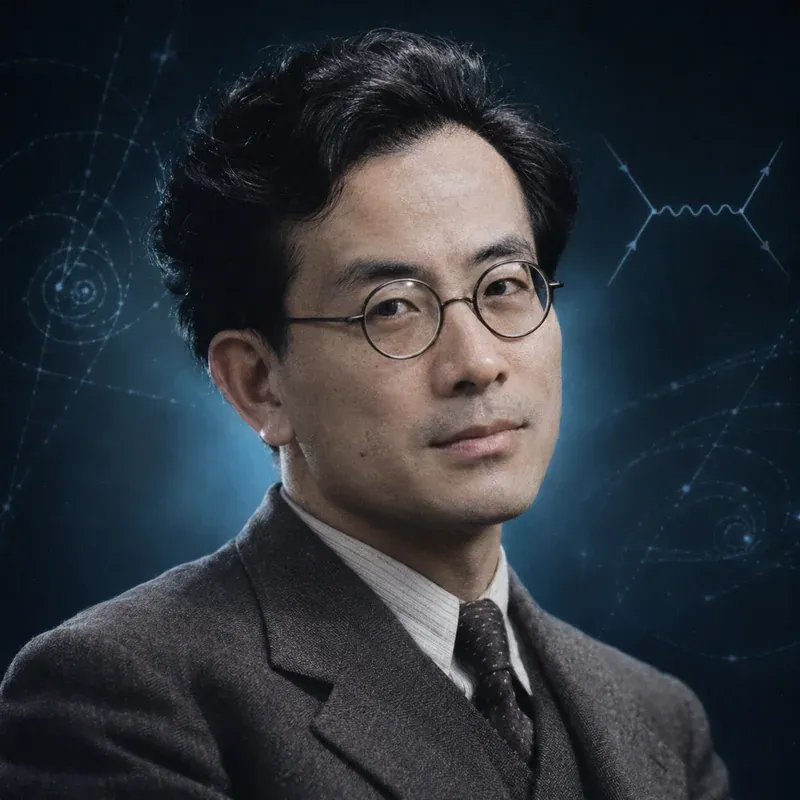
- Abdus Salam1926–1996Two-component neutrino and parity violation (1957)Nobel Prize 1979
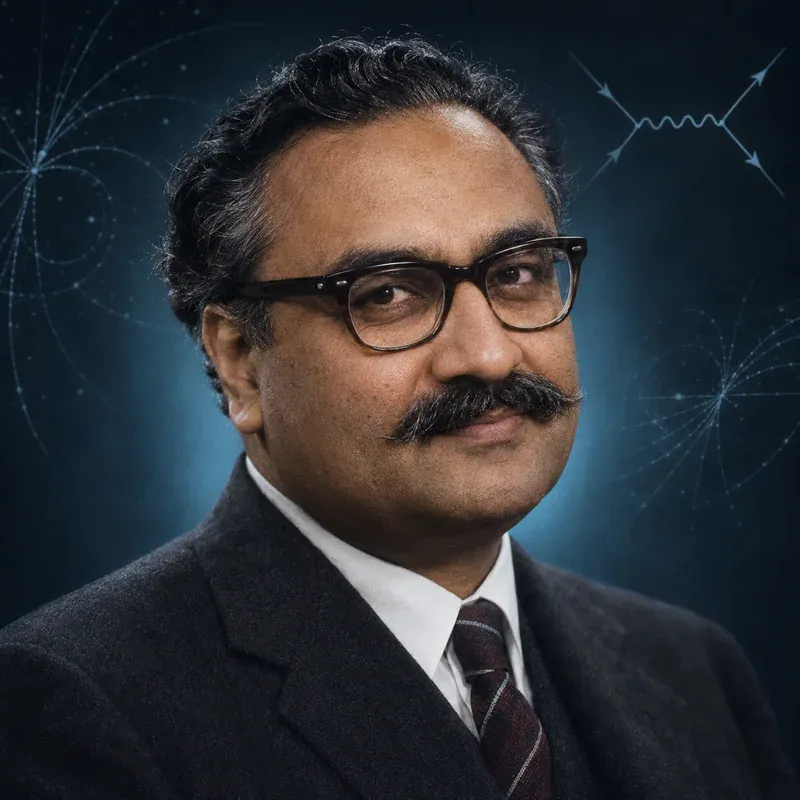
- Joseph SchechterSchechter–Valle neutrino mass analysis (1980)
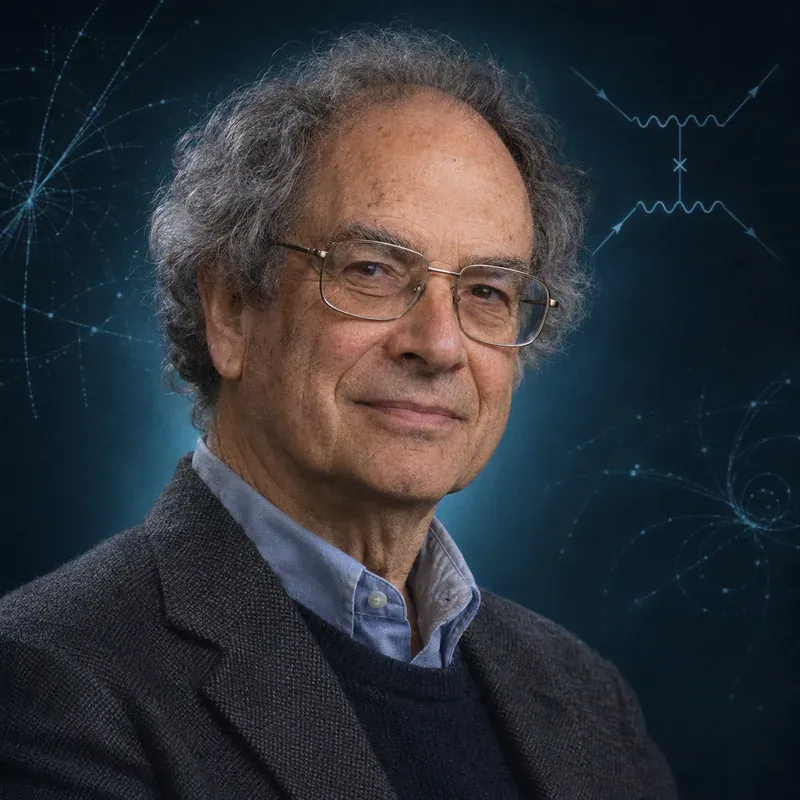
- Thomas SchwetzGlobal three-flavour fits (Valencia and NuFIT collaborations)
- Julian Seymour Schwinger1918–1994Renormalised quantum electrodynamics; electron anomalous magnetic moment α/2πNobel Prize 1965
- Goran Senjanovićb. 1950Left-right symmetric theory
- Mikhail Shaposhnikovb. 1956Electroweak baryon-number violation in the early universe (Kuzmin–Rubakov–Shaposhnikov 1985)
- Richard C. Slansky1940–1998Seesaw mechanism with Gell-Mann and Ramond (1979)
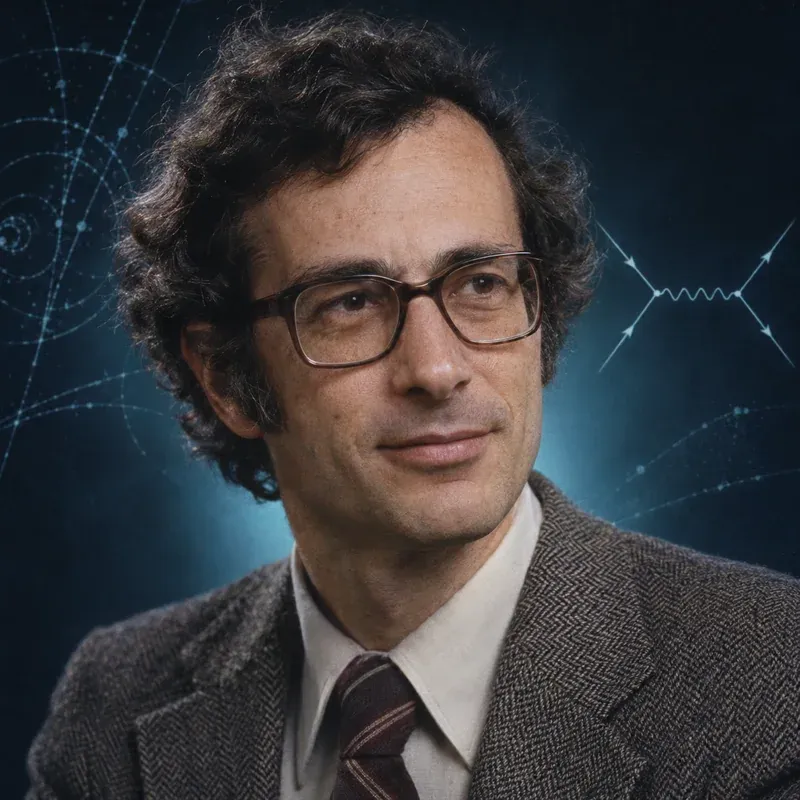
- Alexei Yuryevich Smirnovb. 1951MSW effect (with Mikheyev)
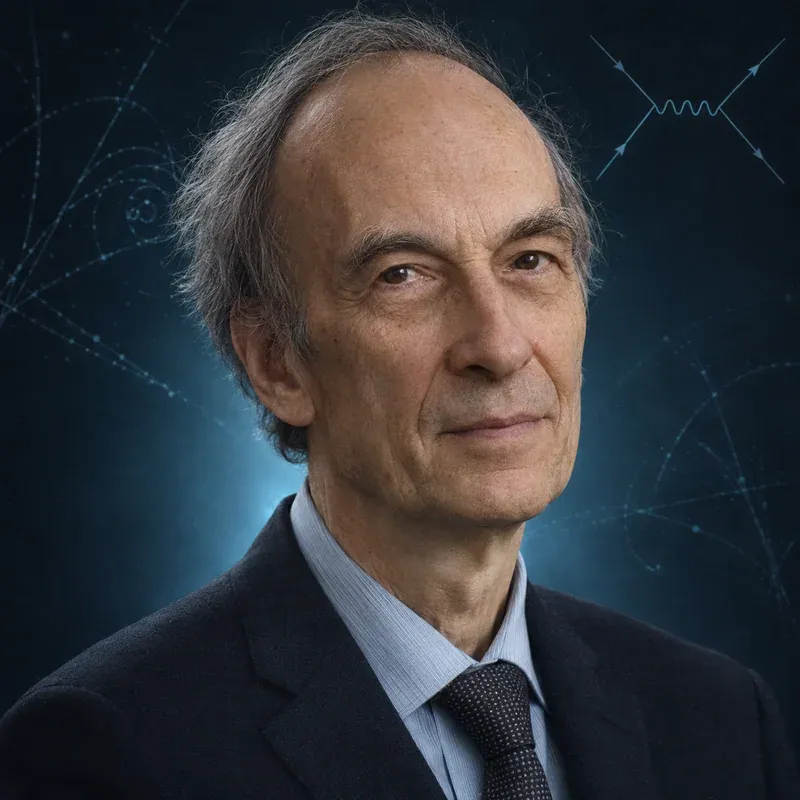
- E. C. George Sudarshan1931–2018V−A theory of the weak interaction (with Marshak, 1957)
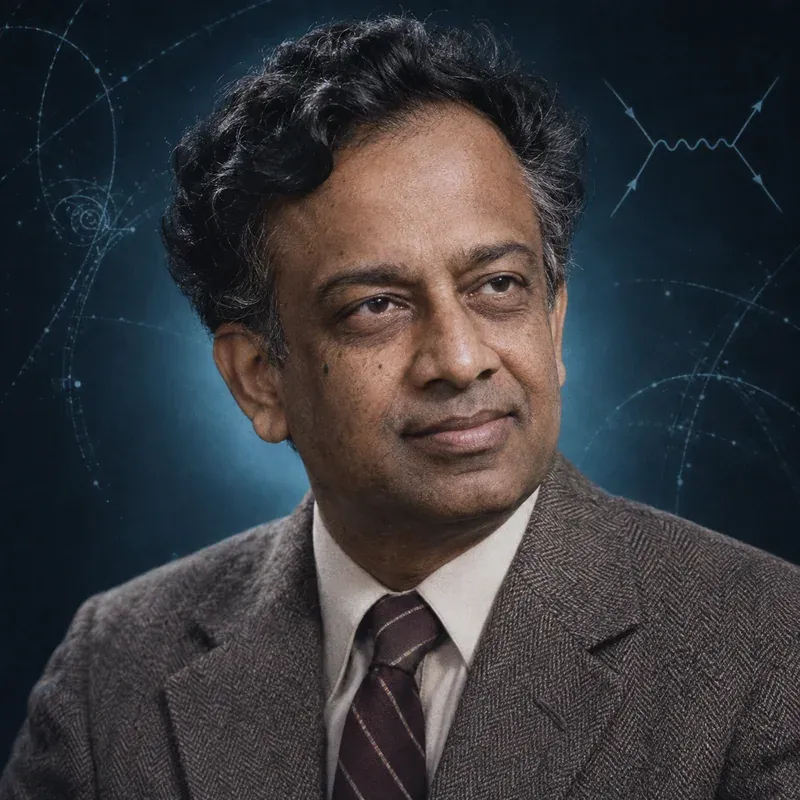
- Edward Teller1908–2003Gamow–Teller selection rules (1936)
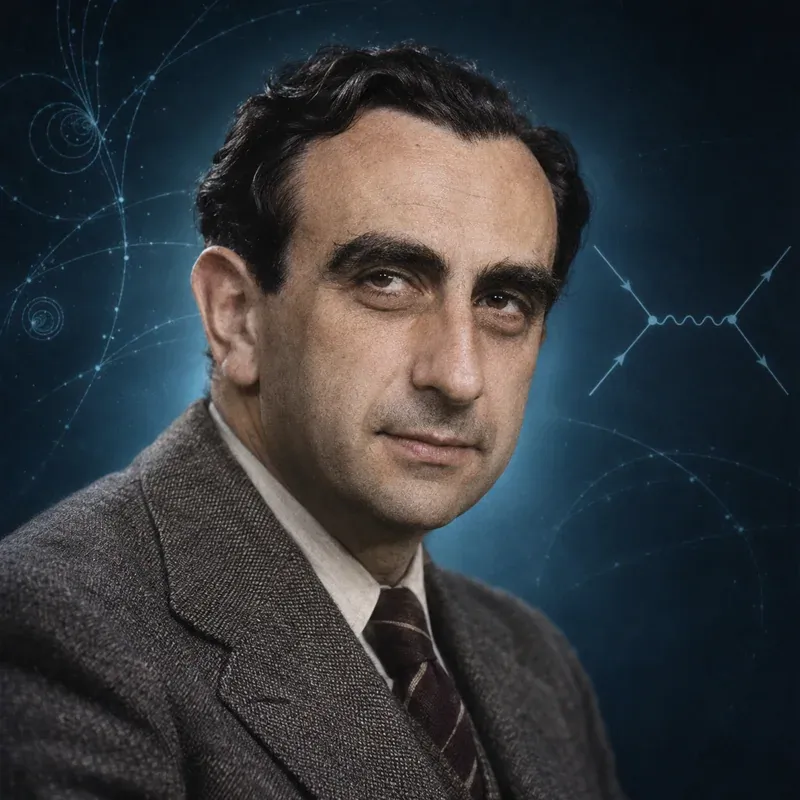
- José W. F. Valleb. 1953Schechter–Valle analysis of neutrino mass generation (1980)
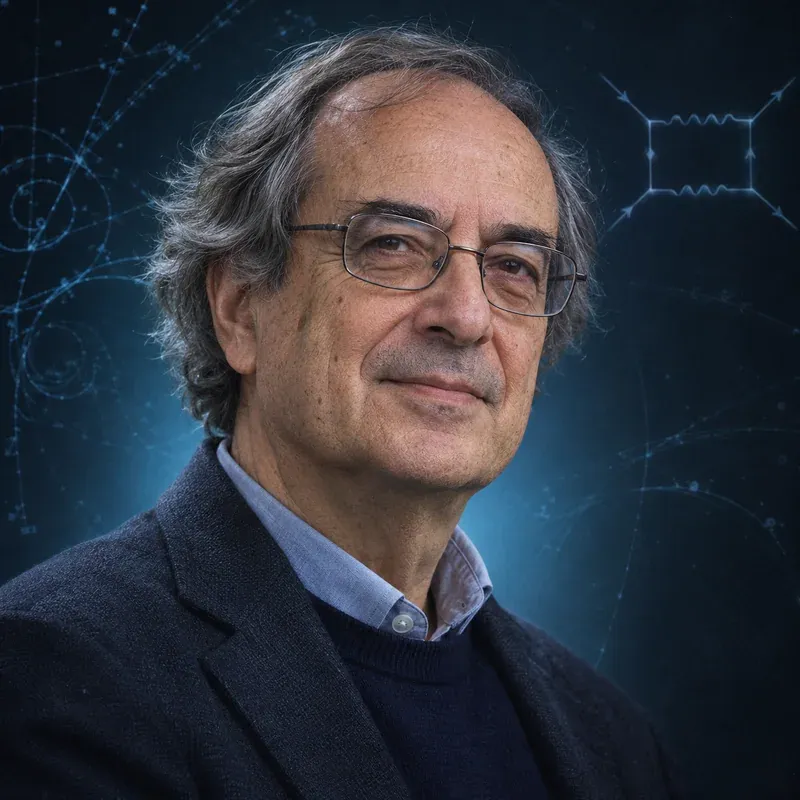
- Martinus J. G. Veltman1931–2021Renormalization of electroweak gauge theory (with G. 't Hooft)Nobel Prize 1999
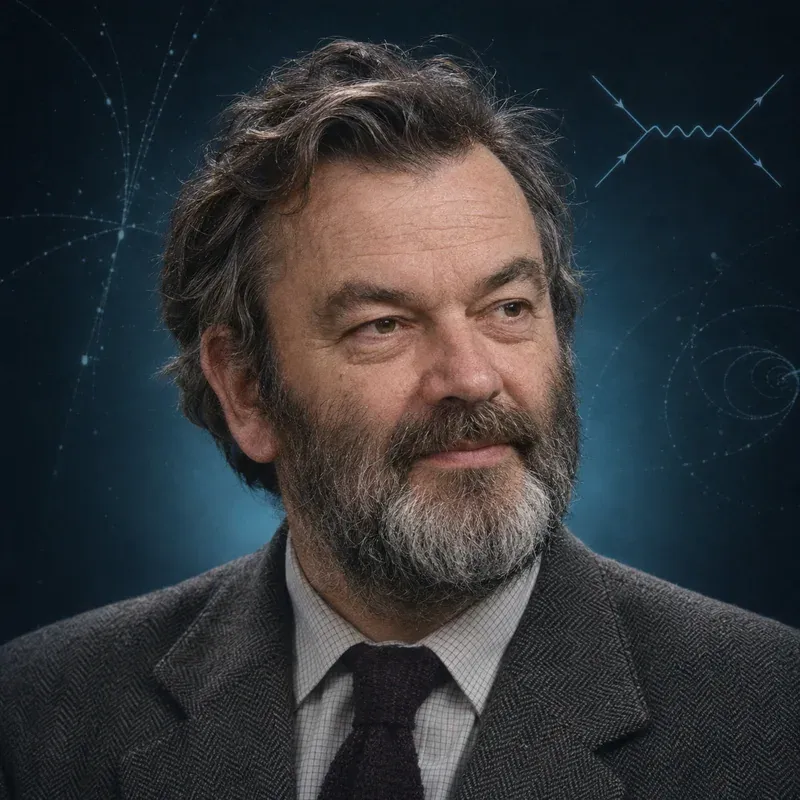
- Petr VogelTheory of double beta decay and its nuclear matrix elements
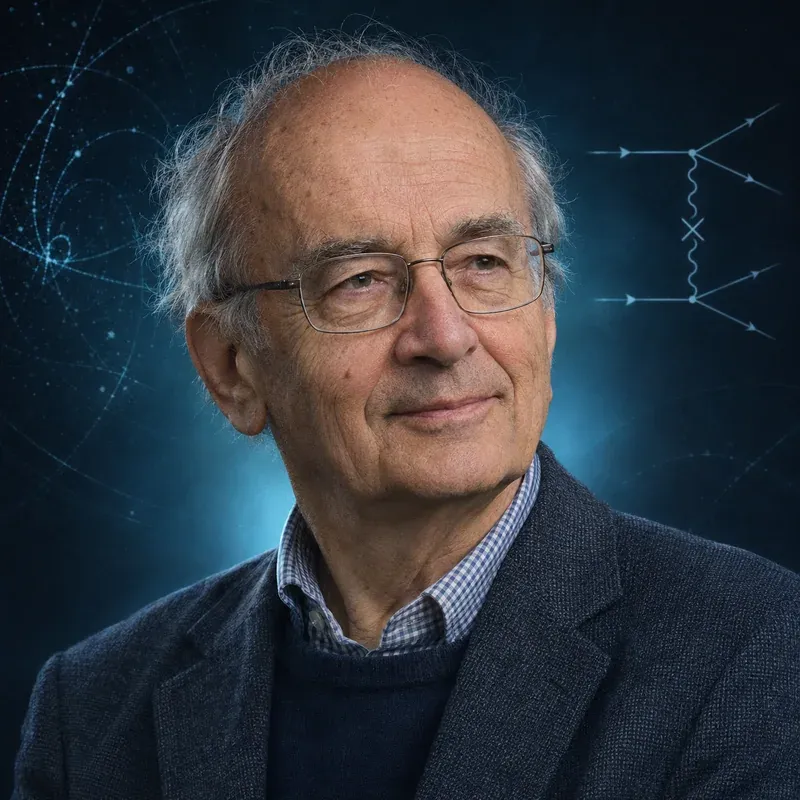
- John Clive Ward1924–2000Ward identity in quantum electrodynamics (1950)
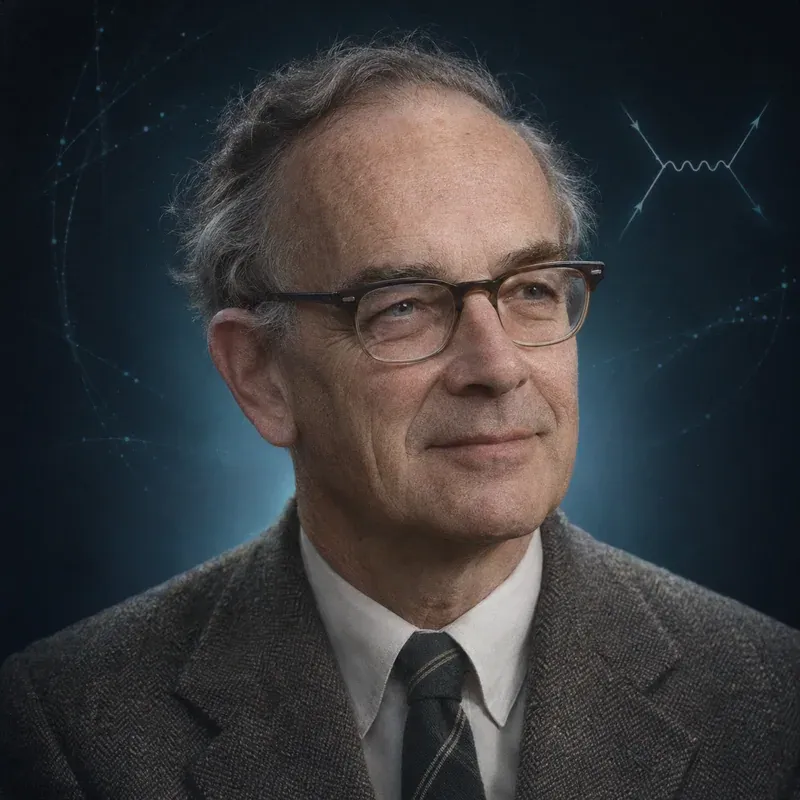
- Steven Weinberg1933–2021'A Model of Leptons' (1967) electroweak theoryNobel Prize 1979
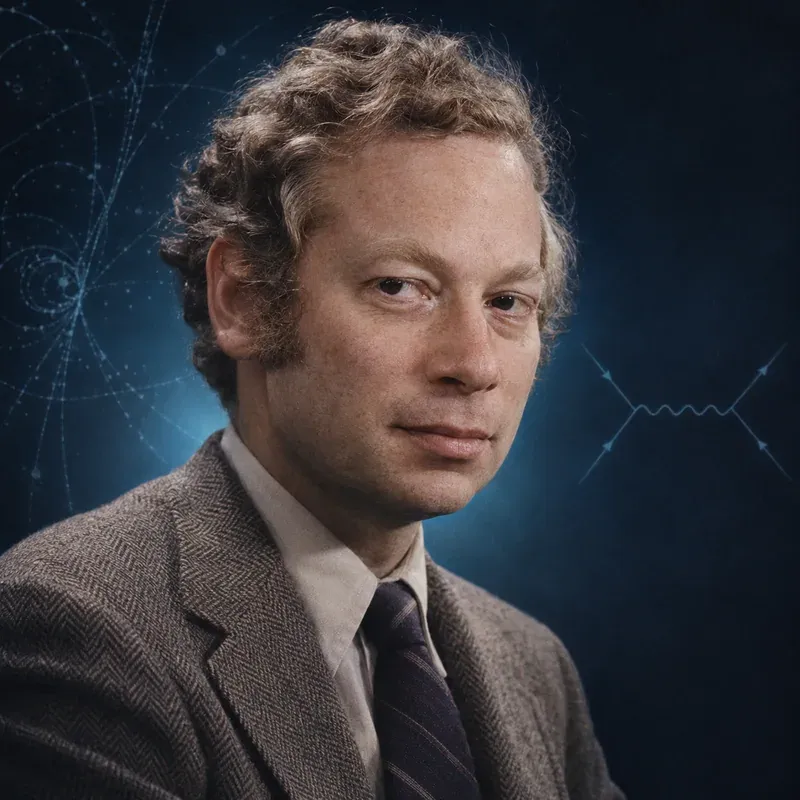
- Hermann Weyl1885–1955Weyl equation for massless two-component spinors (1929)
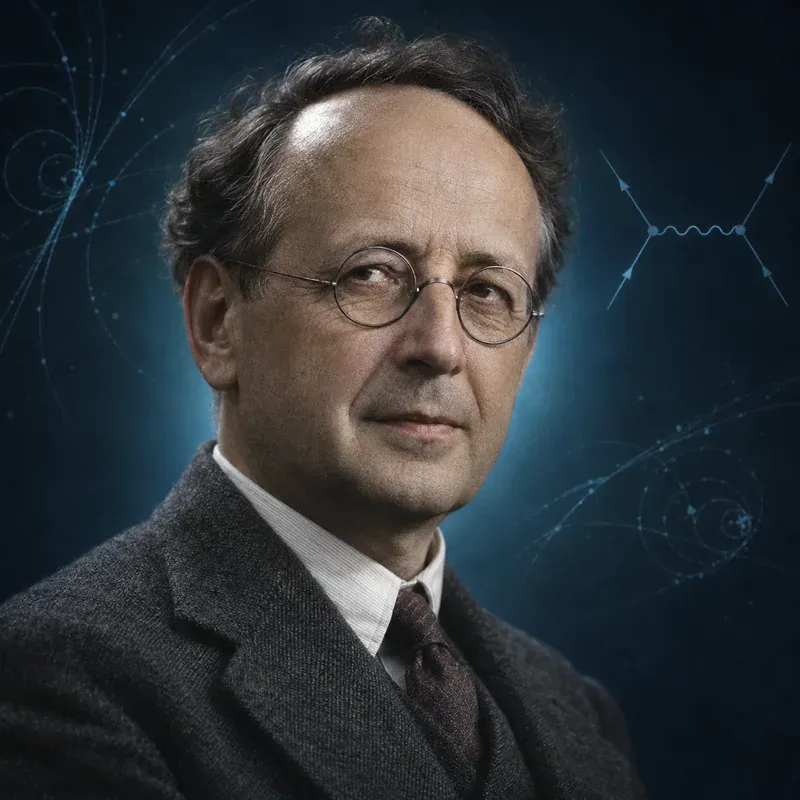
- Lincoln Wolfenstein1923–2015Matter effects on neutrino oscillations (MSW effect)
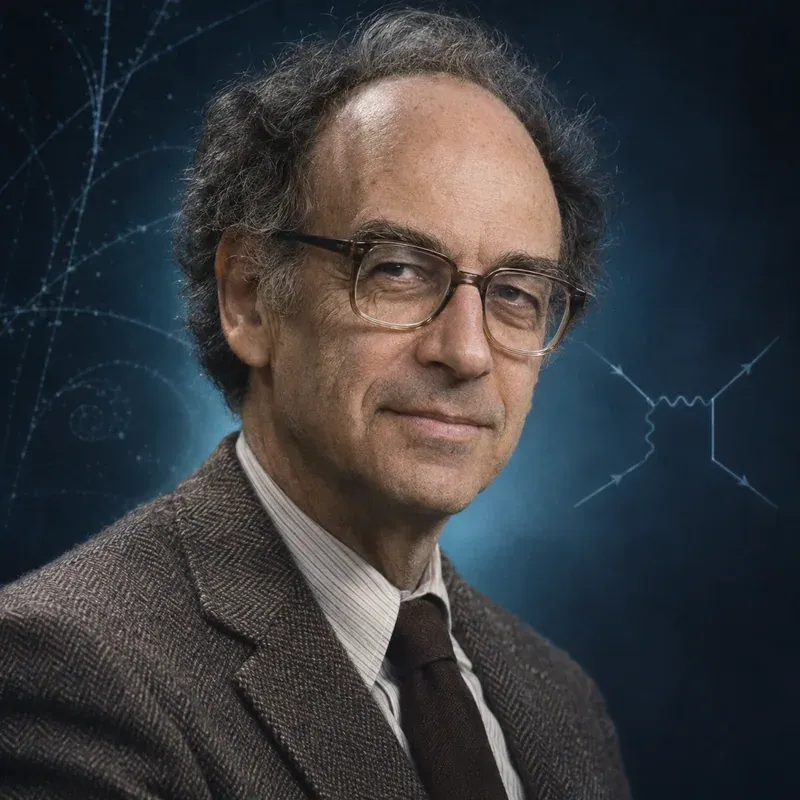
- Tsutomu YanagidaSeesaw mechanism (1979) and its name
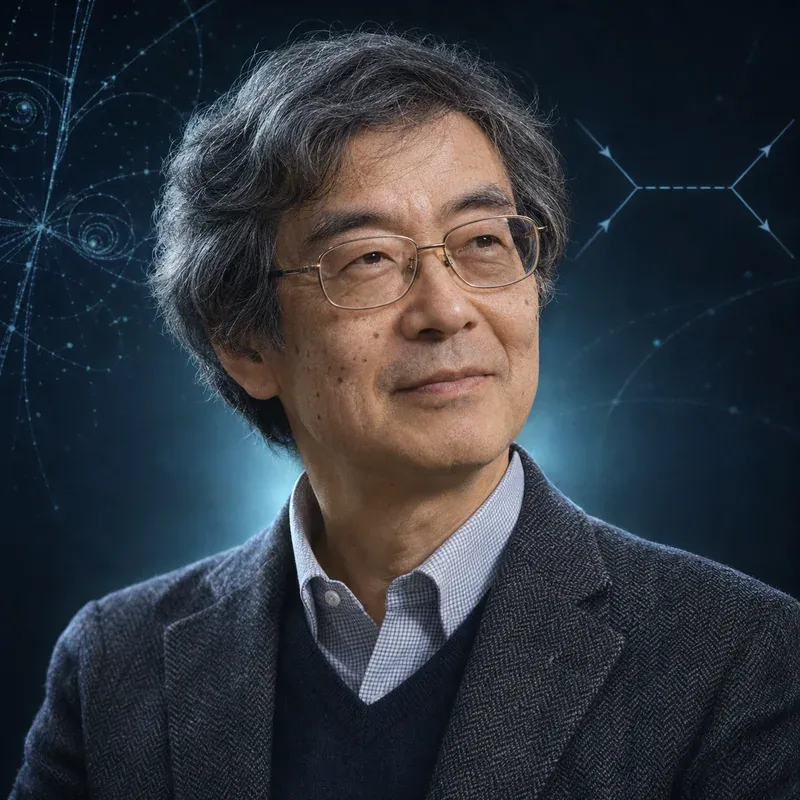
- Chen-Ning Yang1922–2025Parity violation in weak interactions (1956, with Lee)Nobel Prize 1957
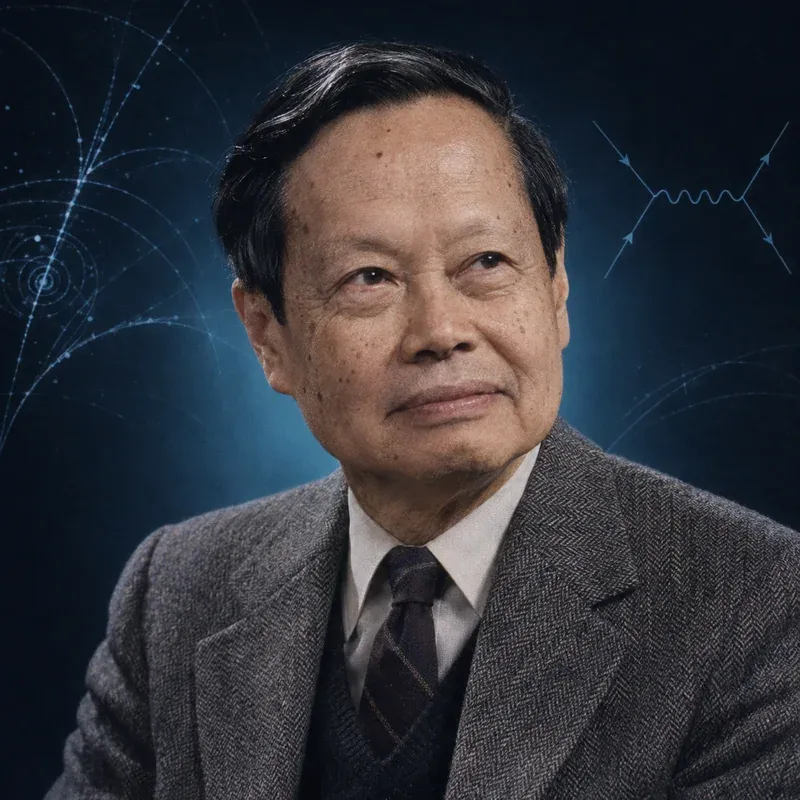
Experiment
- James S. AllenNuclear-recoil evidence for the neutrino (Be-7, 1942)
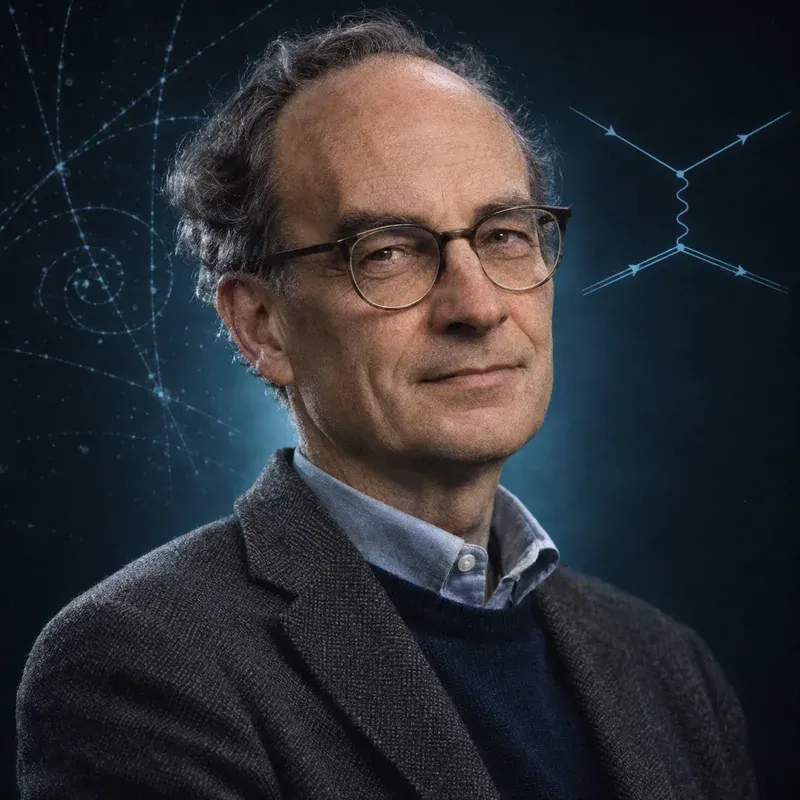
- Luis W. Alvarez1911–1988First observation of K-electron capture (1937)Nobel Prize 1968
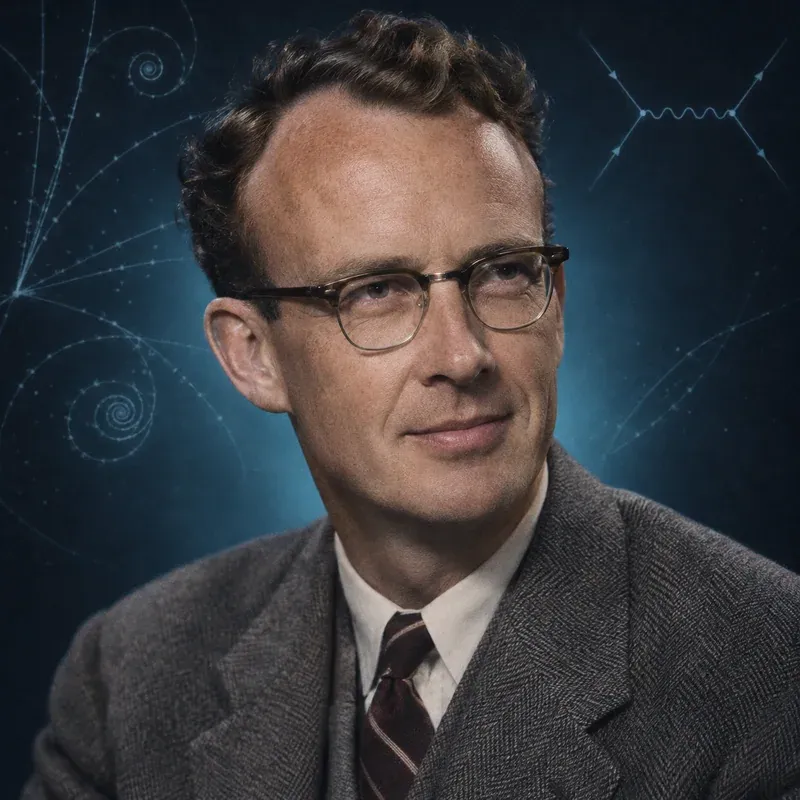
- Ugo Amaldib. 1934Co-founder of the CHARM neutrino collaboration (1975, with K. Winter)
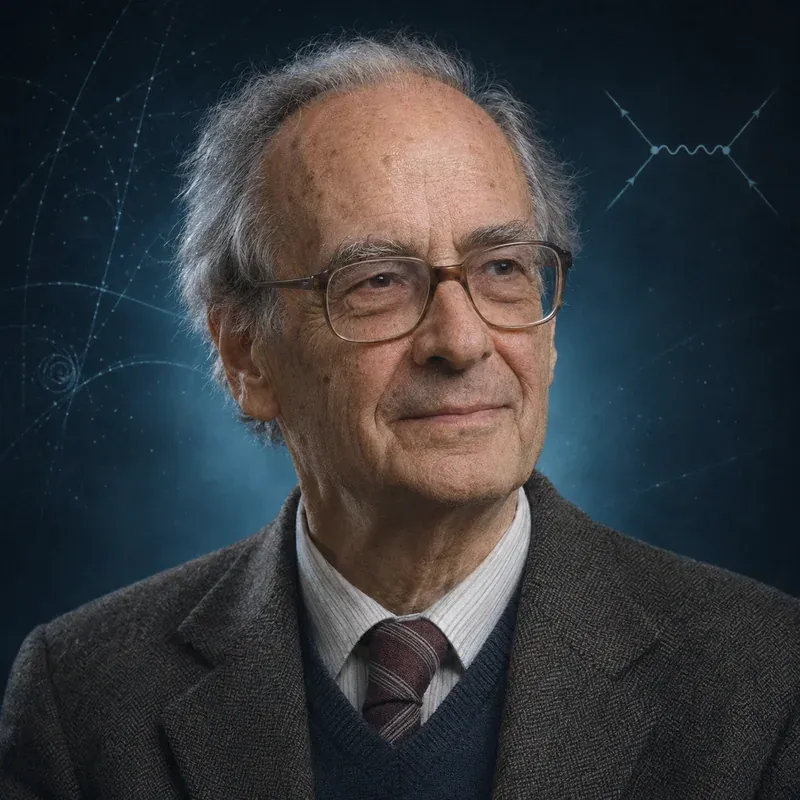
- Barry C. Barishb. 1936Fermilab neutrino scattering experimentsNobel Prize 2017
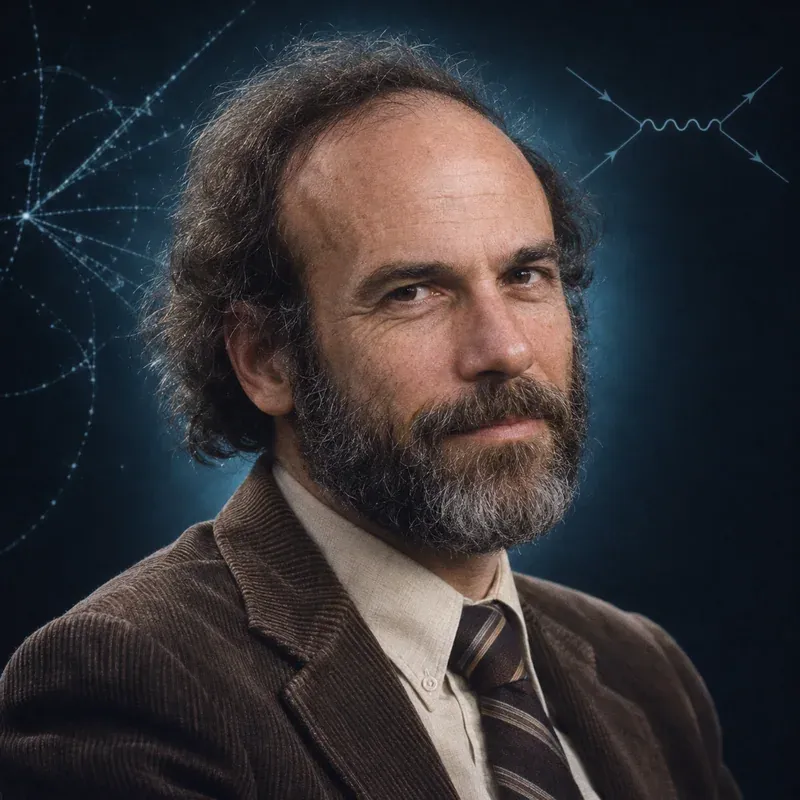
- Eugene W. Beierb. 1940Brookhaven experiment E734 on neutrino elastic scattering
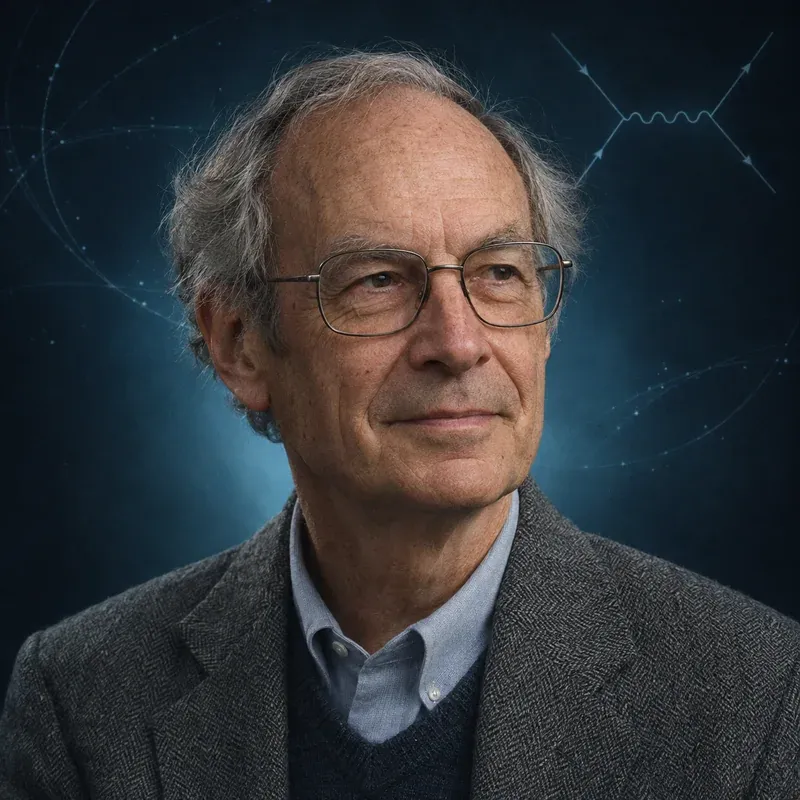
- Gianpaolo Bellinib. 1935Proposed, designed and led Borexino
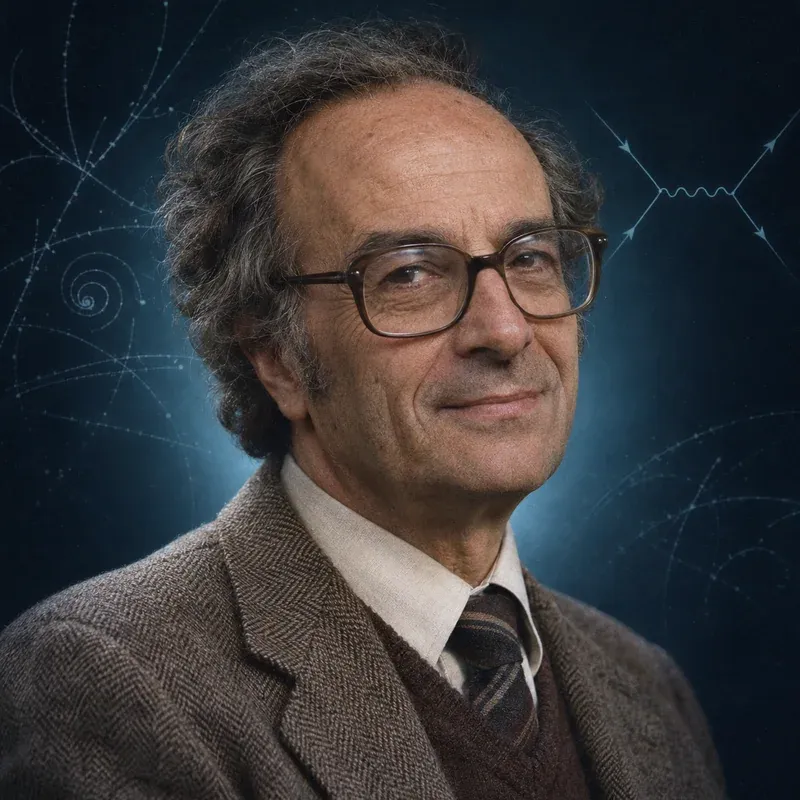
- Mary BishaiCo-spokesperson of DUNE (2023–2025)
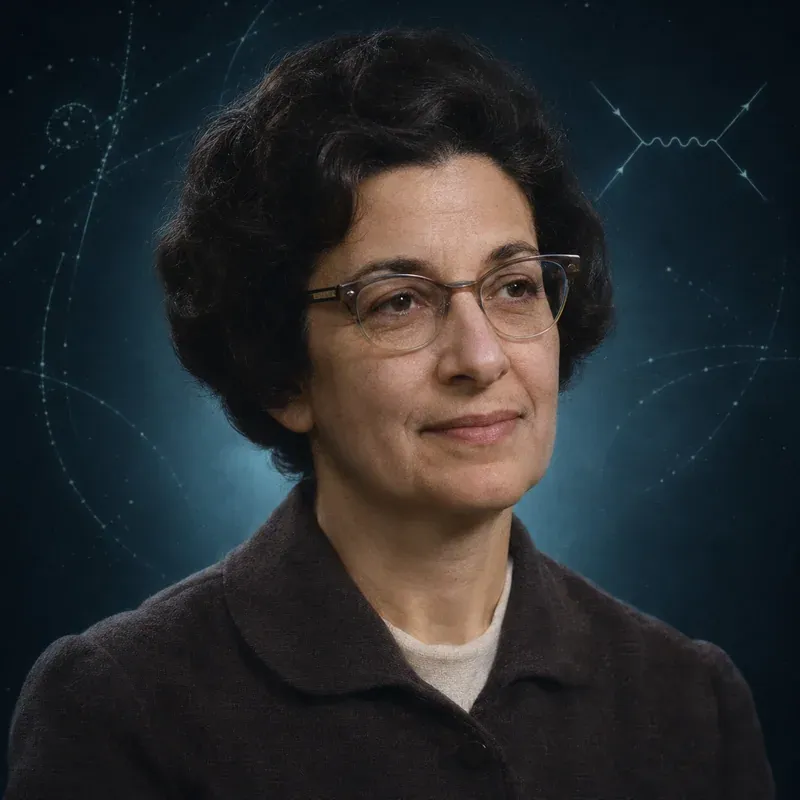
- Edward BlucherDUNE co-spokesperson (2017–2021)
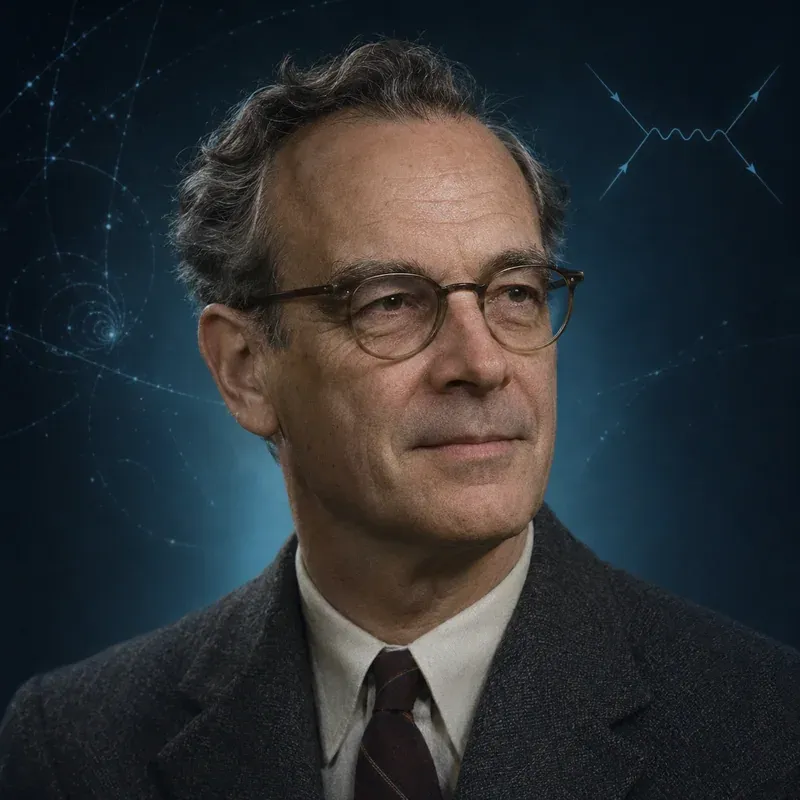
- Felix Hans Boehm1924–2021Reactor neutrino oscillation searches at ILL and Gösgen
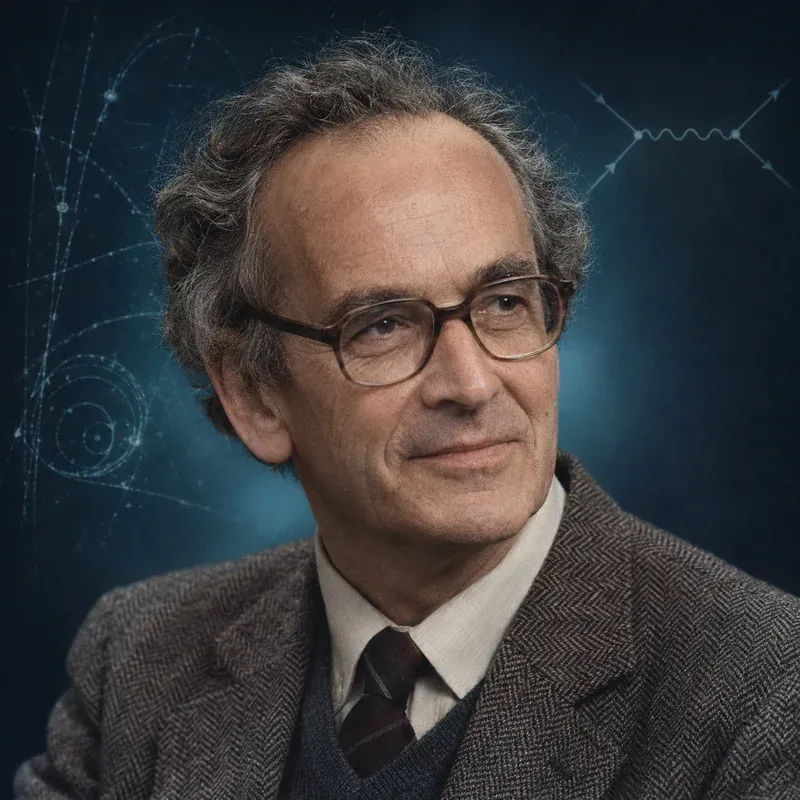
- Olga BotnerIceCube spokesperson (2013–2017)
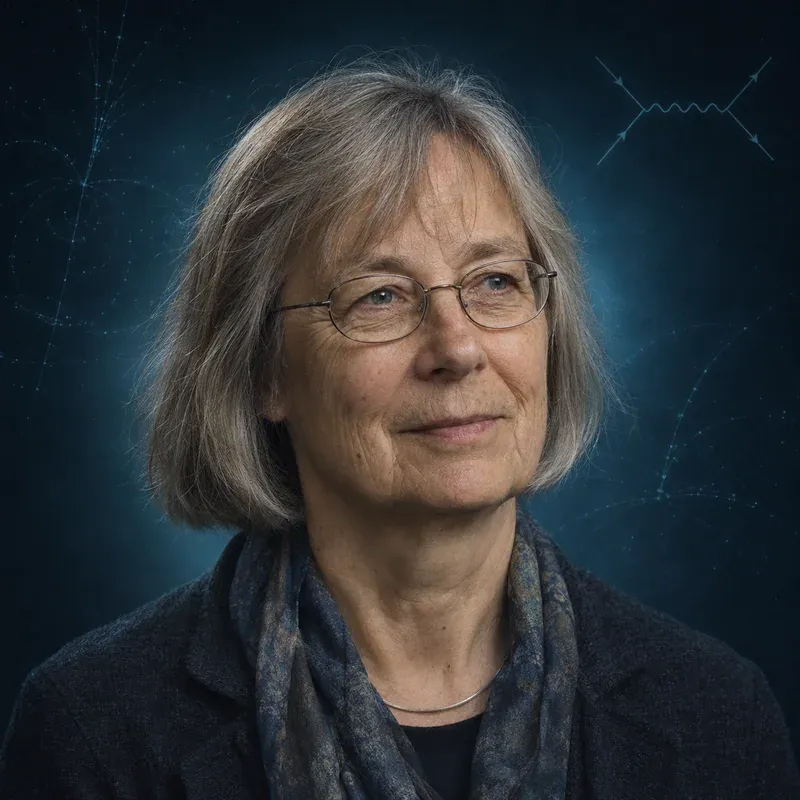
- Frank Paul Calaprice1939–2025Co-founder and leader of Borexino
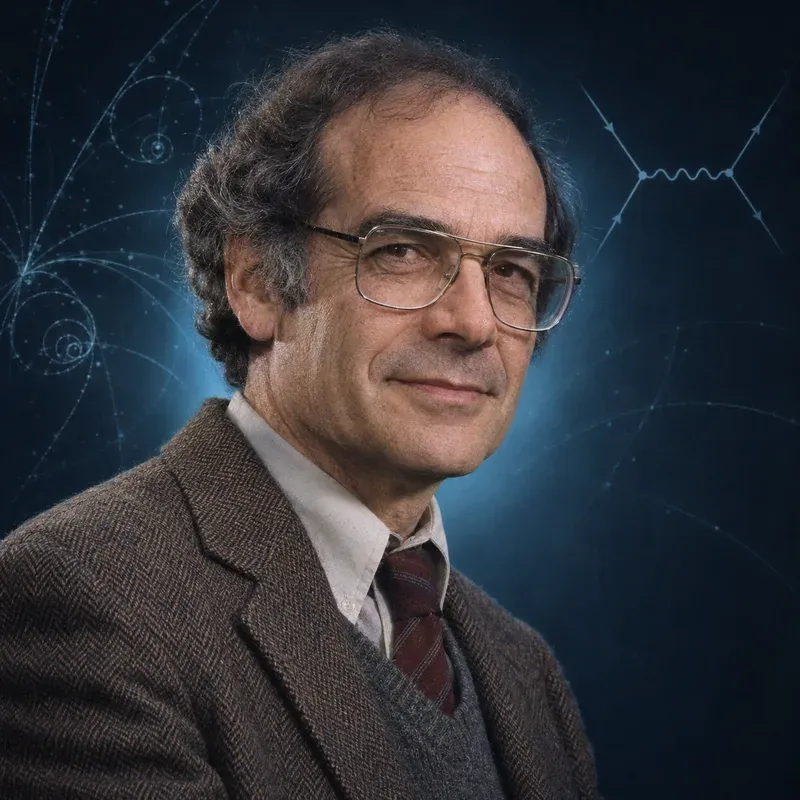
- Cao Jun (Jun Cao)Co-spokesperson of Daya Bay; led antineutrino-detector design and data analysis
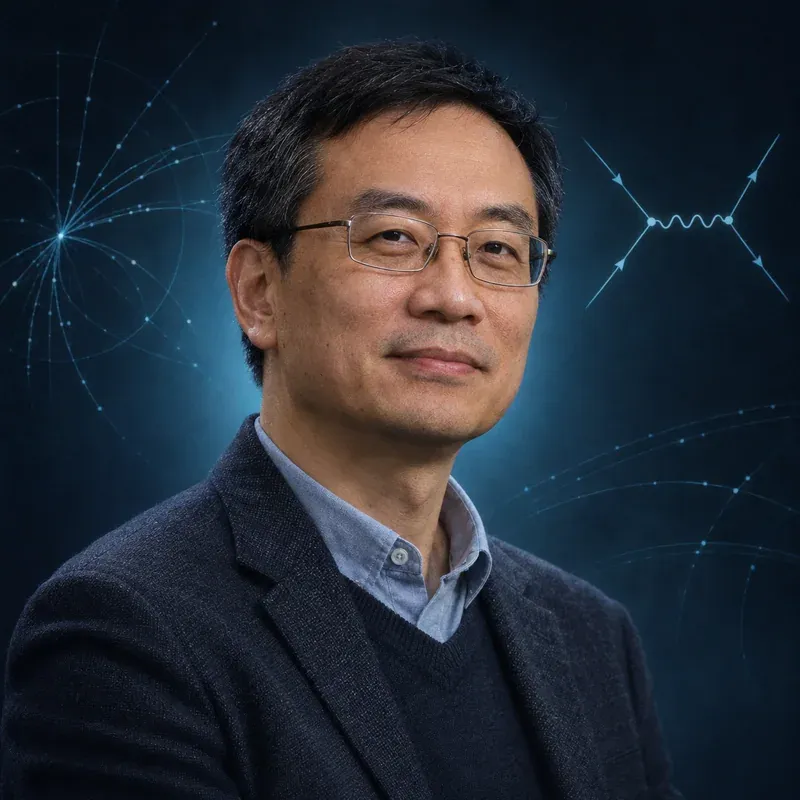
- Herbert H. Chen1942–1987LAMPF E-225 neutrino-electron scattering experiment
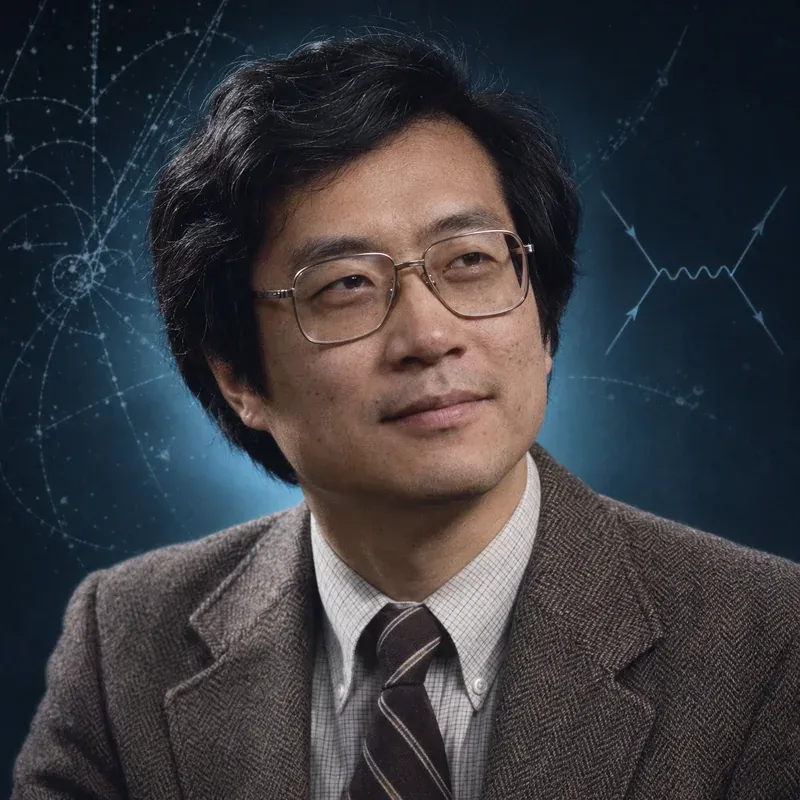
- Mark C. ChenDirector and spokesperson of SNO+
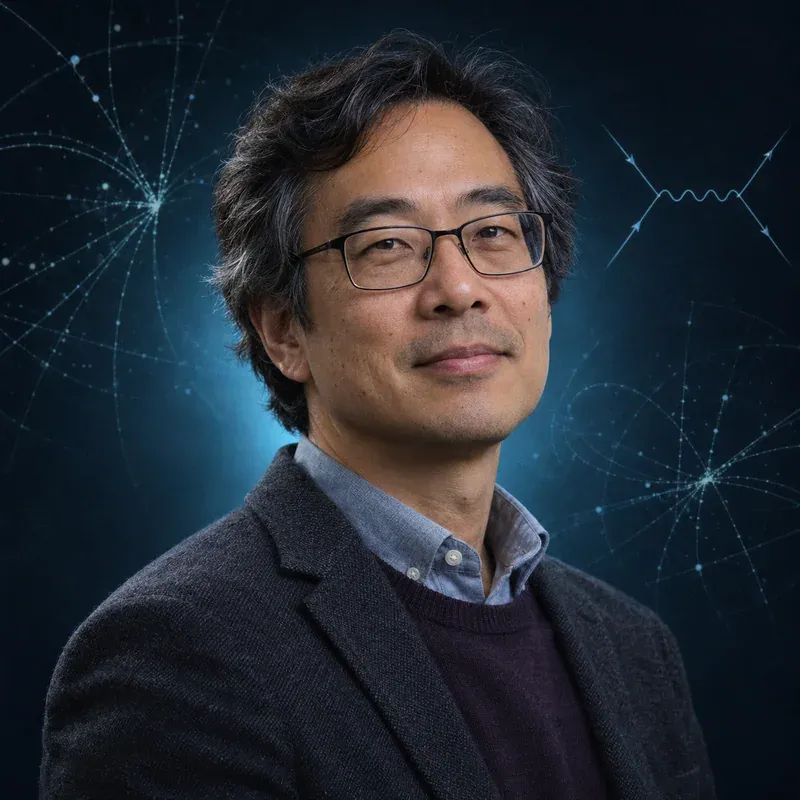
- Alexander Yevgenievich Chudakov1921–2001Baksan Underground Scintillation Telescope (1978)
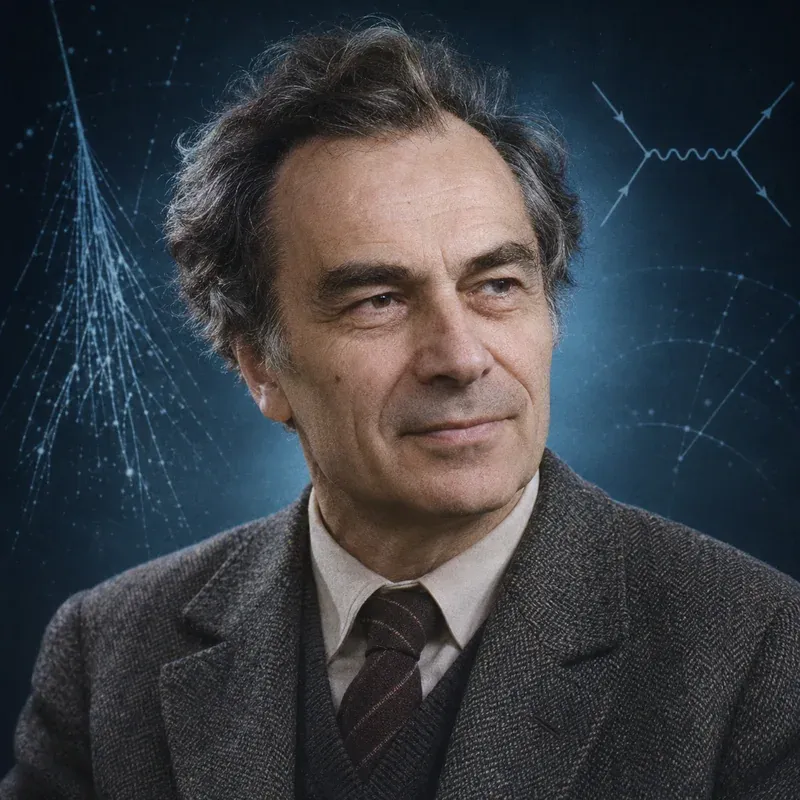
- Bruce T. ClevelandHomestake data analysis (lead author of the 1998 final paper)
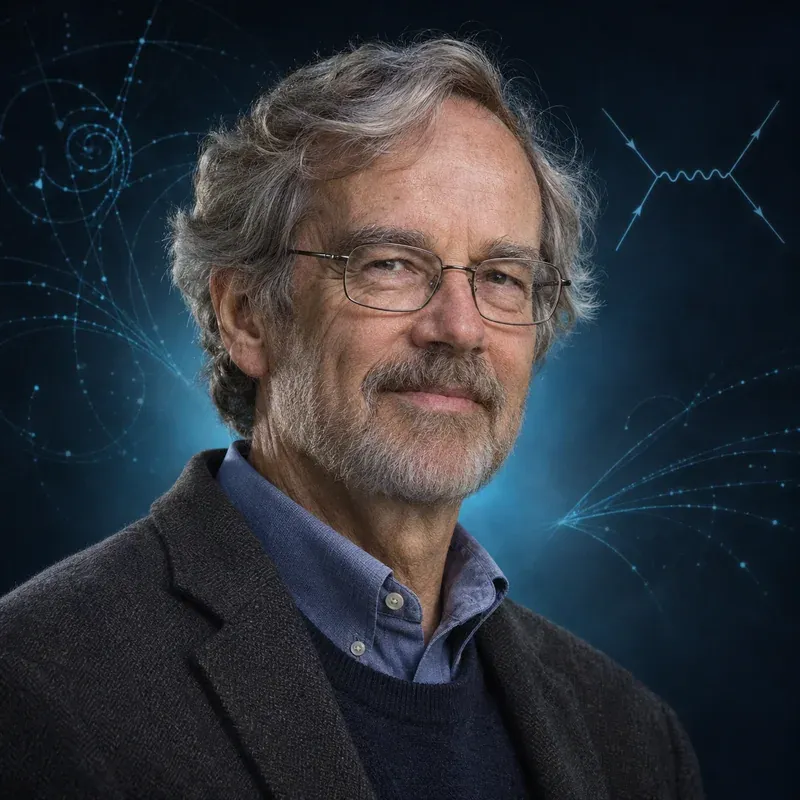
- David Bruce Cline1933–2015Fermilab HPWF neutrino experiment and the confirmation of weak neutral currents (1974)
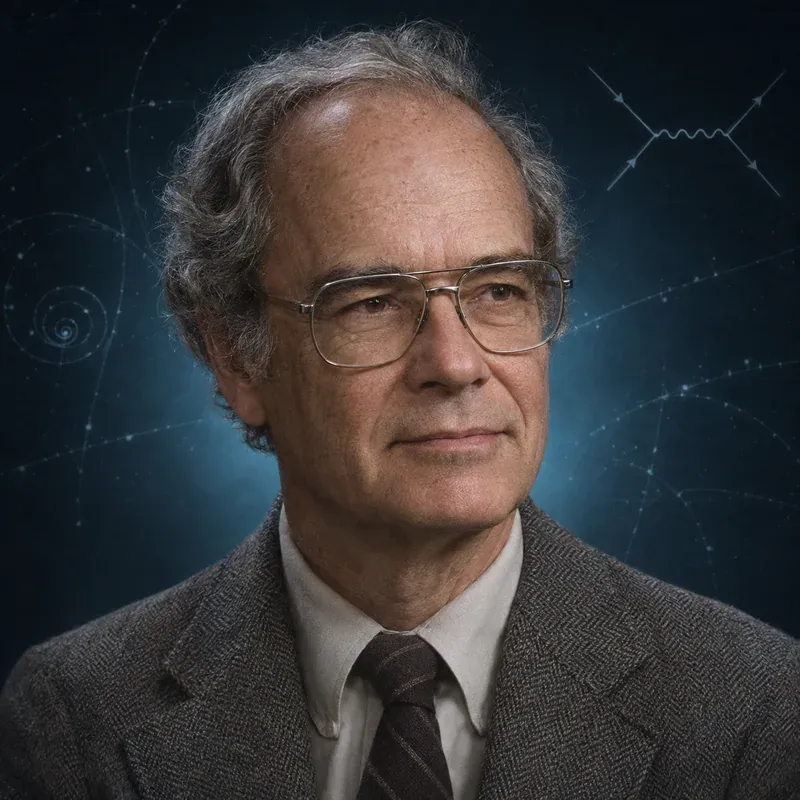
- Juan I. CollarCompact CsI[Na] detector with which COHERENT first observed CEvNS (2017)
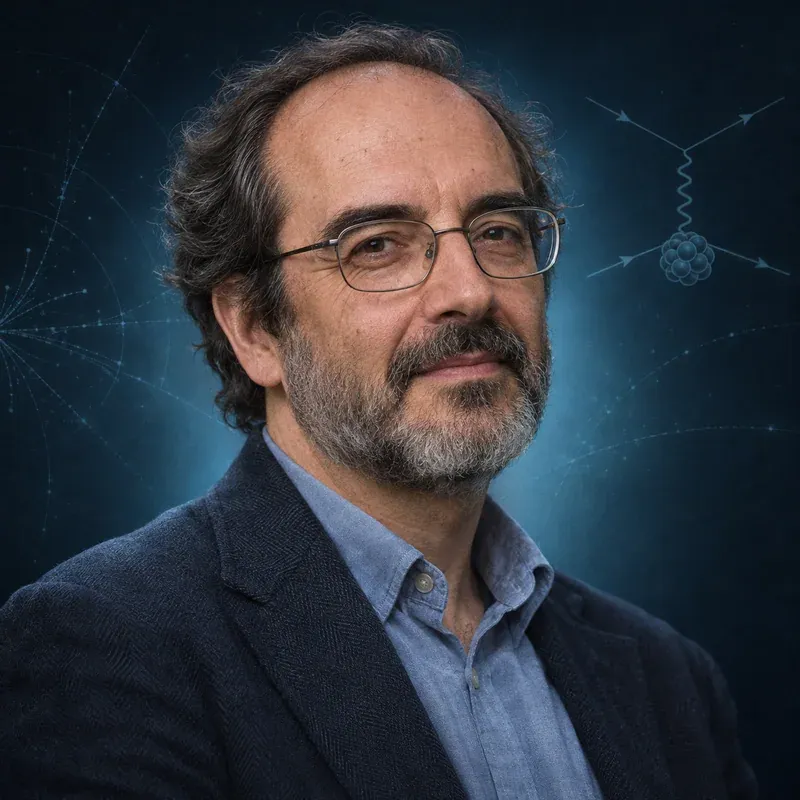
- Janet M. Conradb. 1963Founding member and spokesperson of MiniBooNE
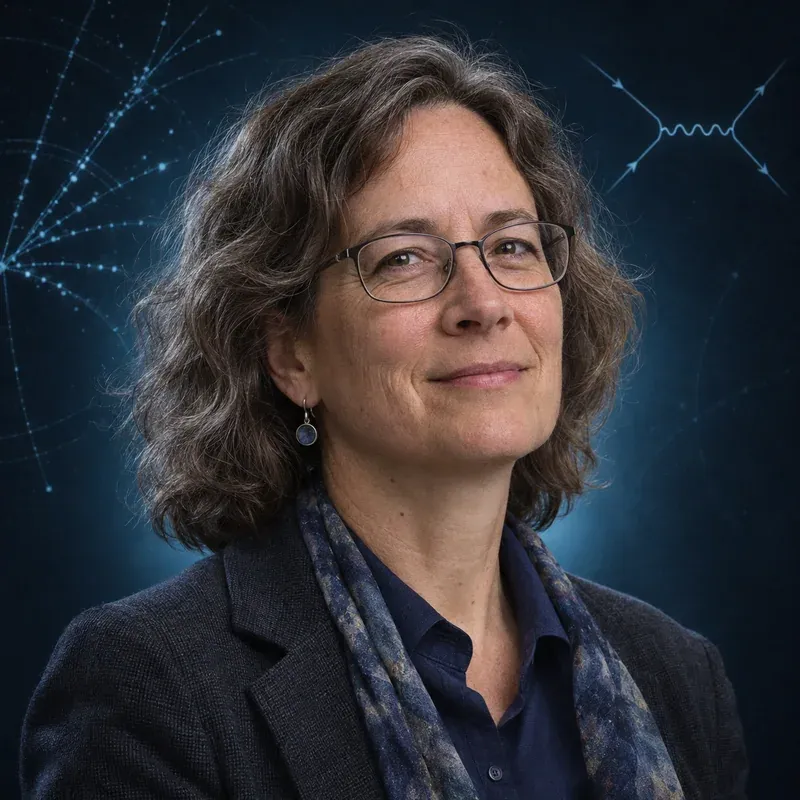
- Clyde L. Cowan Jr.1919–1974Co-discoverer of the neutrino (1956)
- Paschal CoyleKM3NeT spokesperson at the time of the KM3-230213A detection
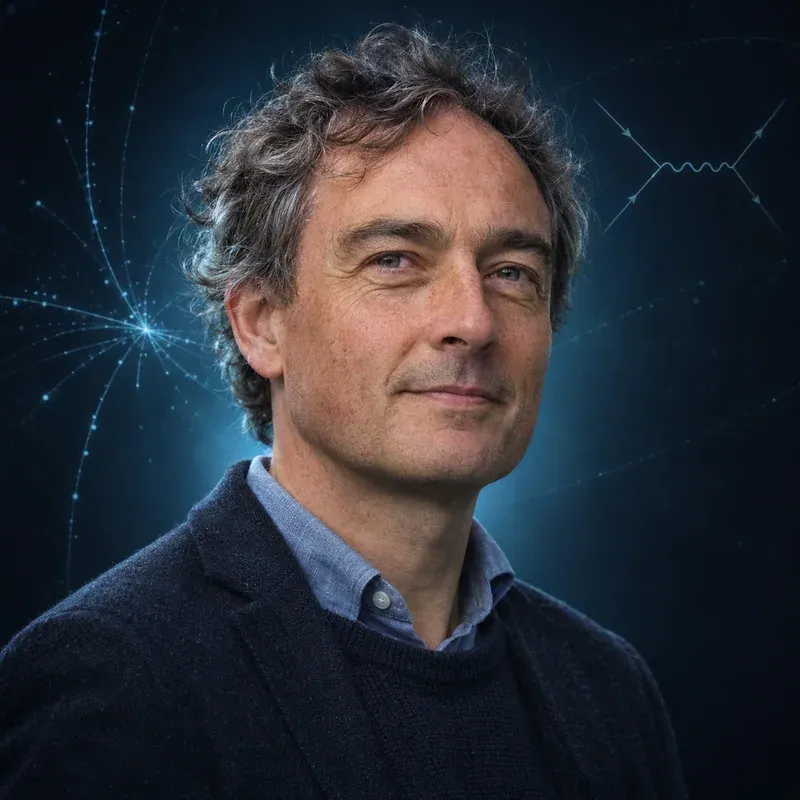
- H. Richard Crane1907–2007Crane–Halpern recoil evidence for the neutrino (1938)
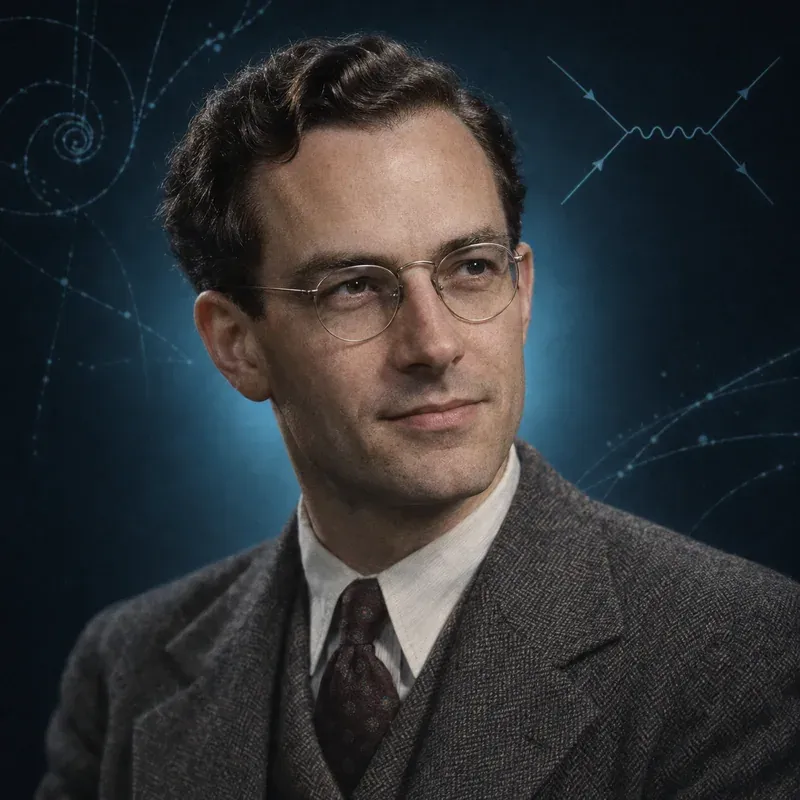
- Gordon T. Danby1929–2016First-listed author of the 1962 paper announcing the muon neutrino
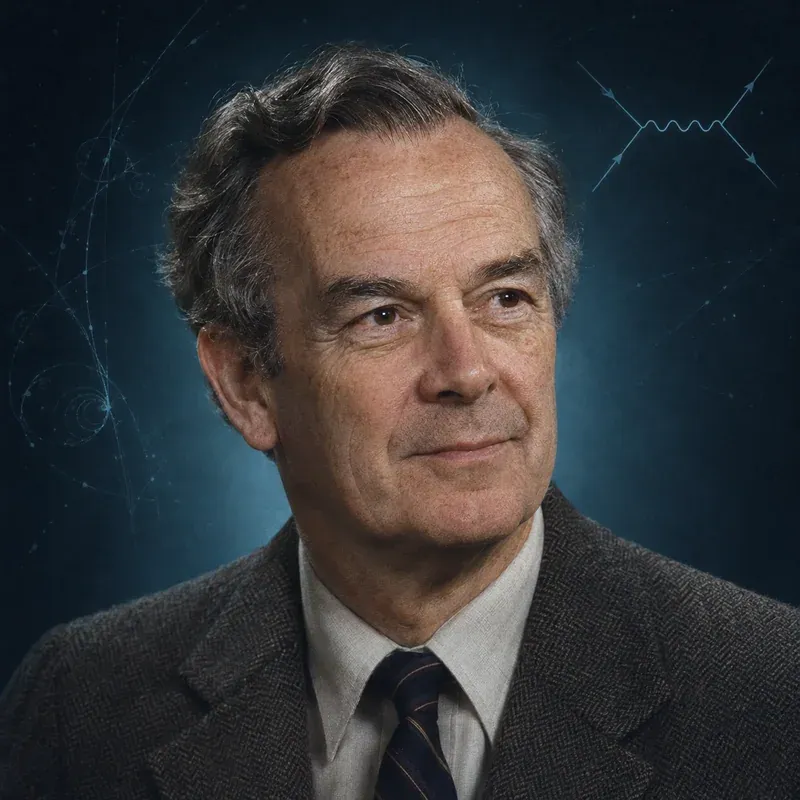
- Raymond Davis Jr.1914–2006Reactor chlorine experiments showing antineutrino ≠ neutrino (1950s)Nobel Prize 2002
- Grigory Vladimirovich Domogatsky1941–2024Spokesman of the Baikal Neutrino Telescope
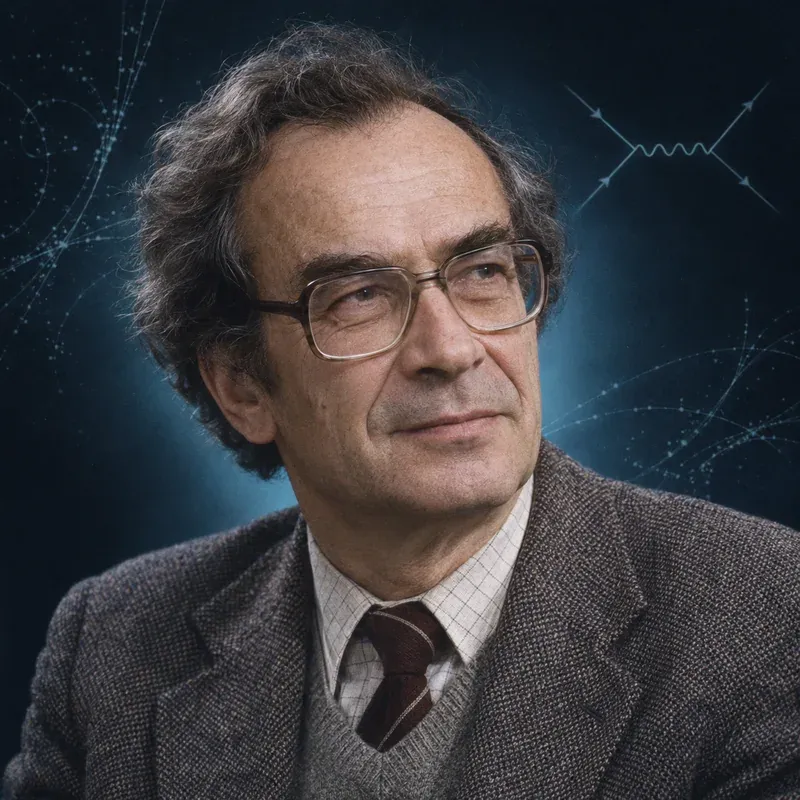
- Guido DrexlinKATRIN project leader
- Steven R. ElliottFirst observation of two-neutrino double beta decay (1987)
- Antonio EreditatoSpokesperson of OPERA
- George Ewan?–2020Original Canadian spokesperson of SNO (1984)
- Gary J. Feldmanb. 1942Feldman–Cousins unified approach to confidence intervals (1998)
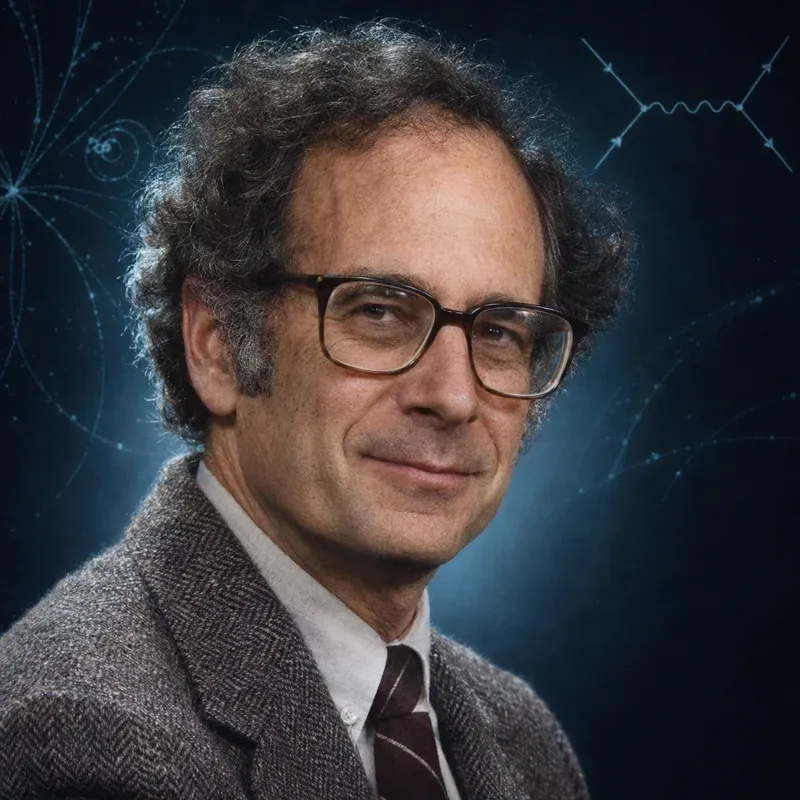
- Ettore Fiorini1933–2023First germanium-detector search for neutrinoless double beta decay of ⁷⁶Ge (1967)
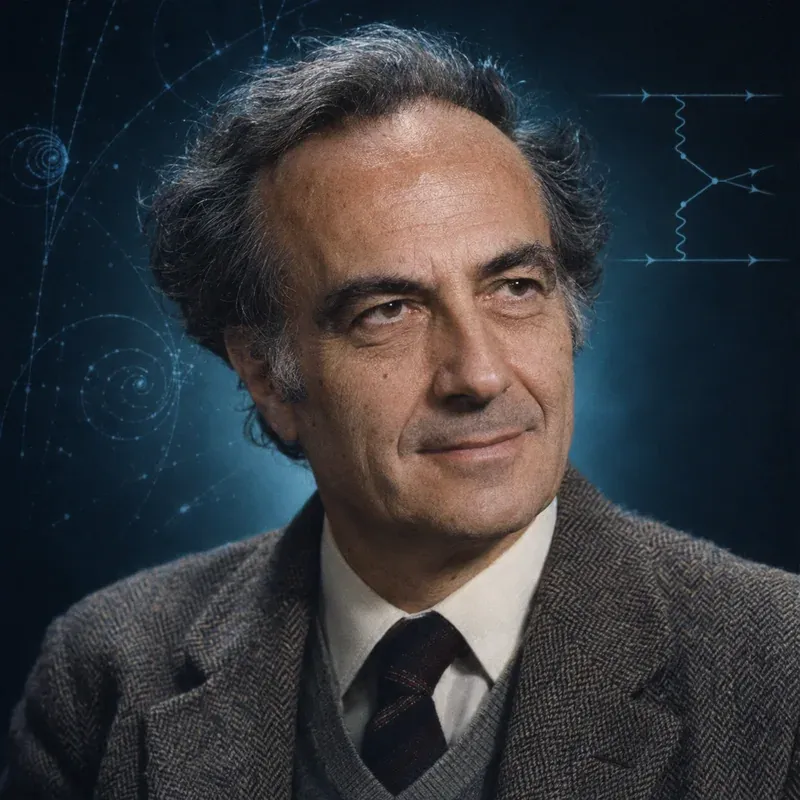
- Bonnie T. FlemingFounding spokesperson of ArgoNeuT and MicroBooNE
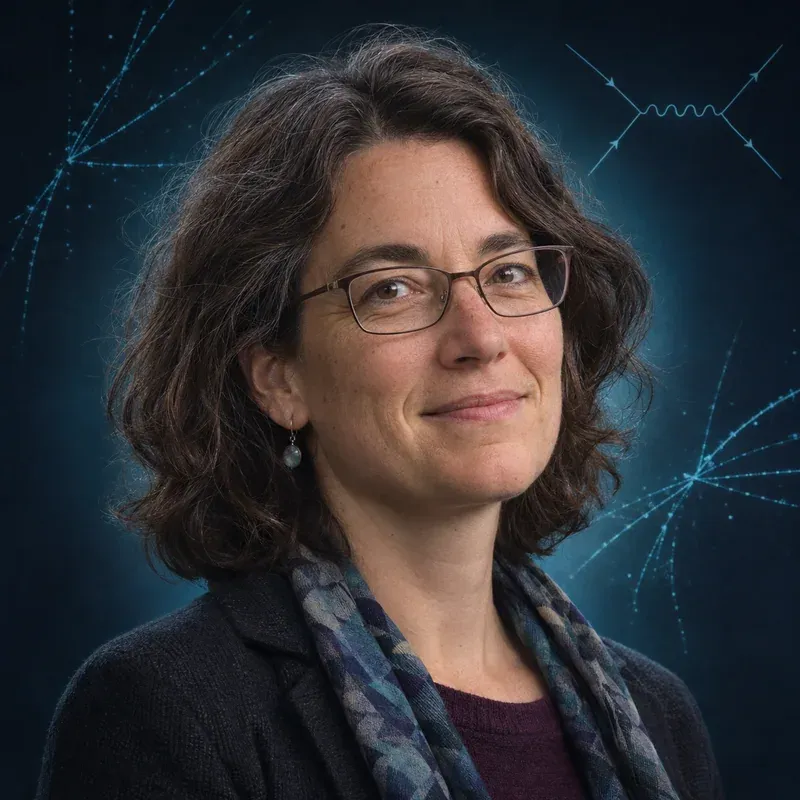
- Joseph A. FormaggioCo-proposer of cyclotron radiation emission spectroscopy (CRES, 2009) and Project 8
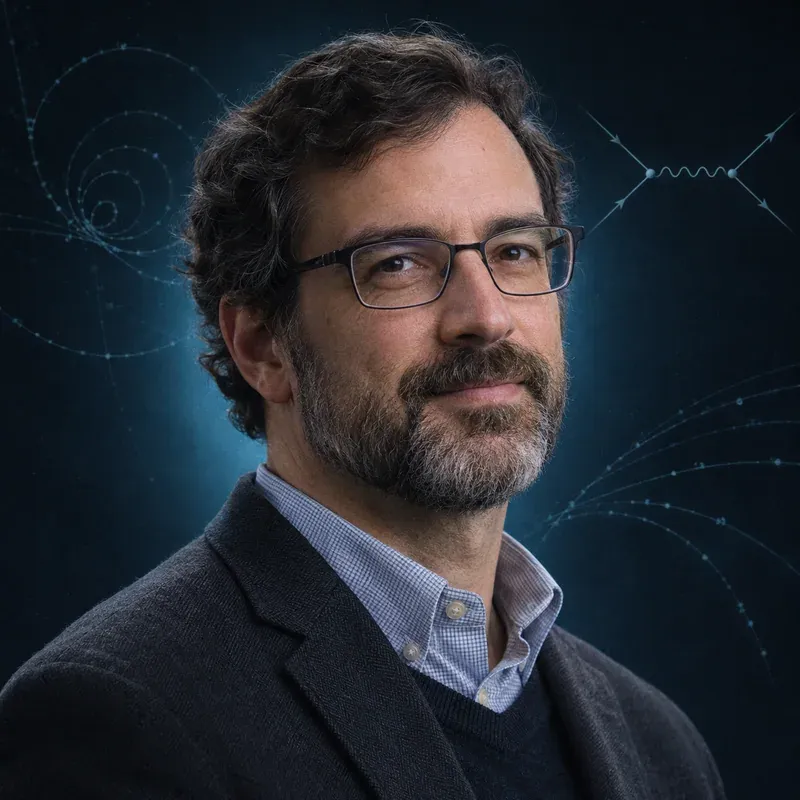
- Stuart Jay Freedman1944–2012Freedman–Clauser test of Bell's inequality (1972)
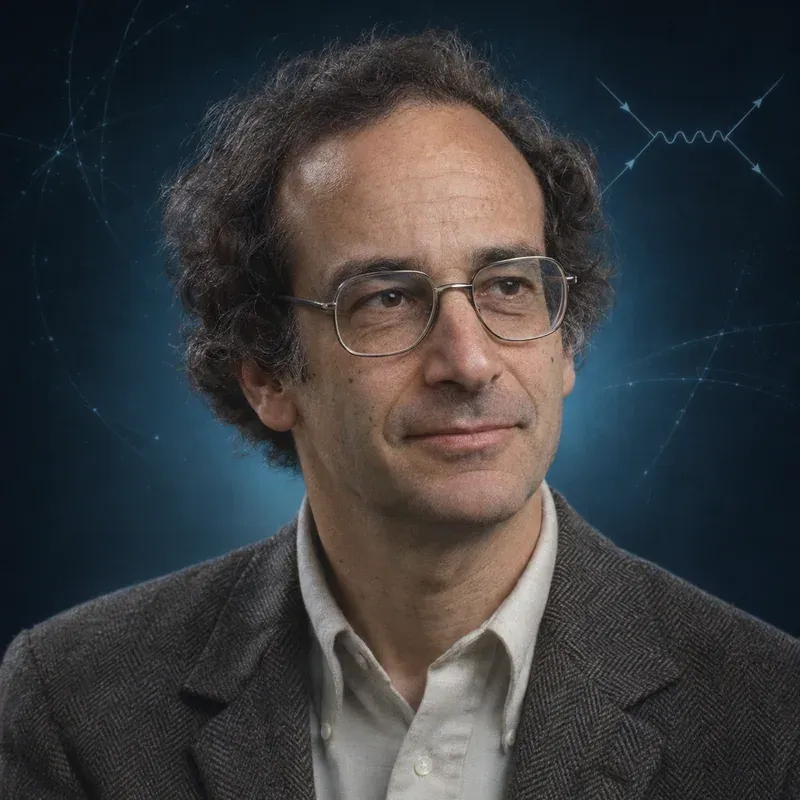
- Wang Ganchang1907–1998Proposal to detect the neutrino through K-capture recoil (1941/42)
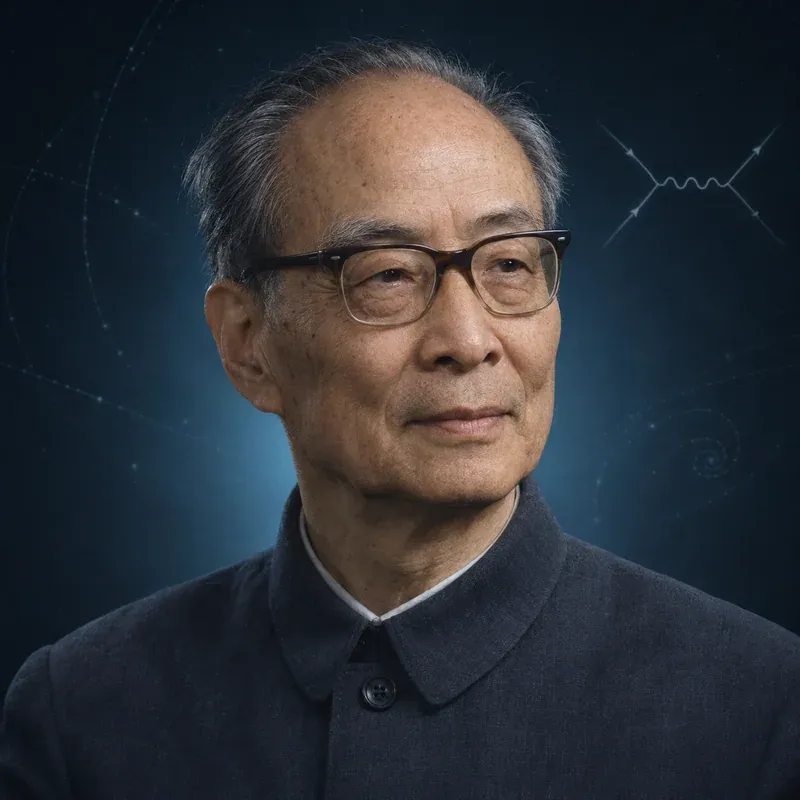
- Vladimir N. Gavrin (Vladimir Nikolaevich Gavrin)Leader of SAGE
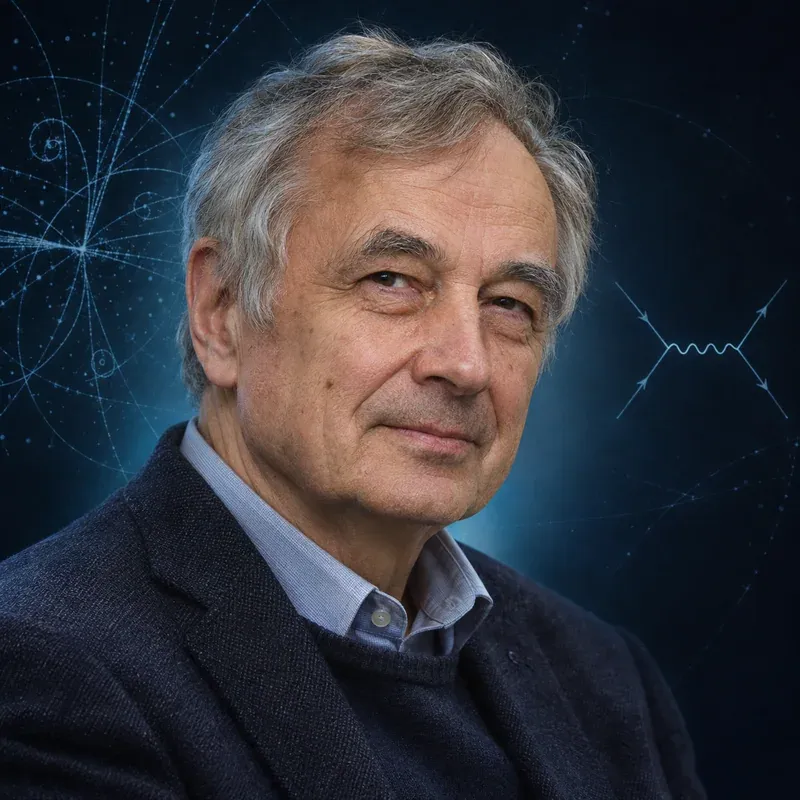
- Maurice Goldhaber1911–2011Measurement of neutrino helicity (Goldhaber experiment, 1957–58)
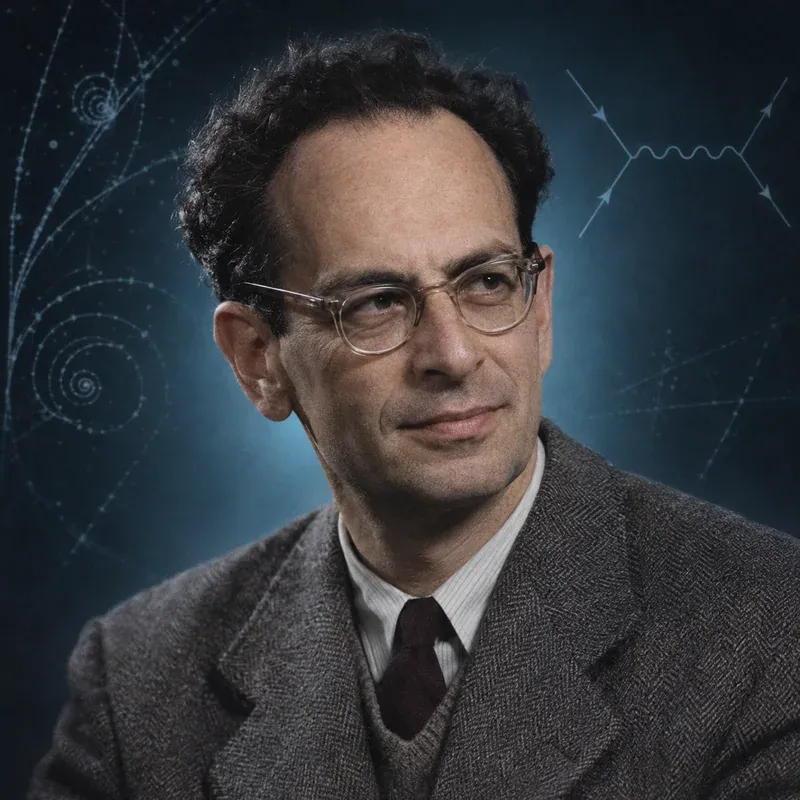
- Giorgio GrattaPalo Verde reactor experiment
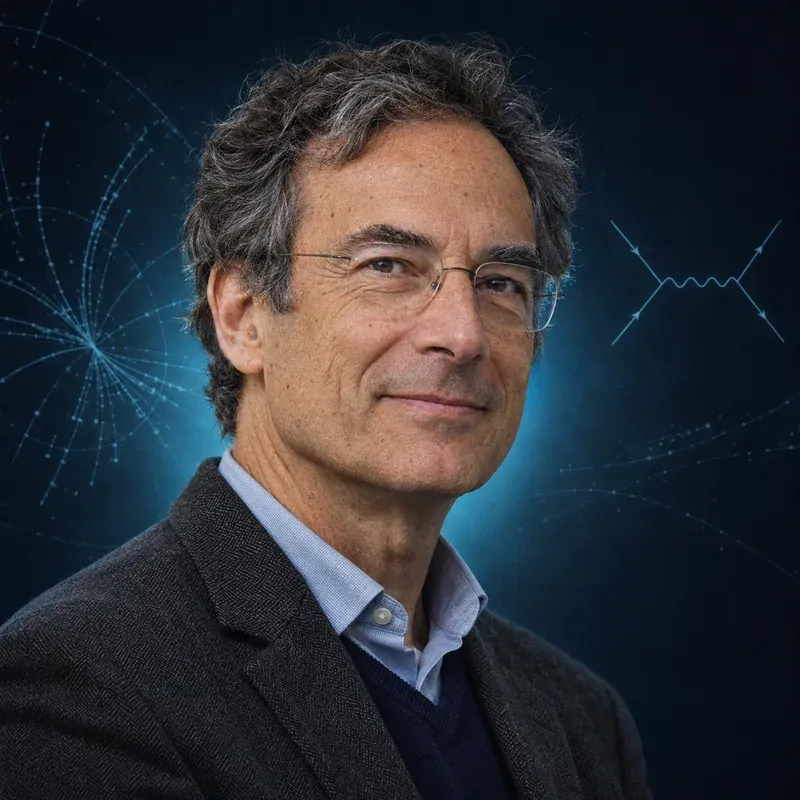
- Lee Grodzins1926–2025Goldhaber–Grodzins–Sunyar neutrino-helicity experiment
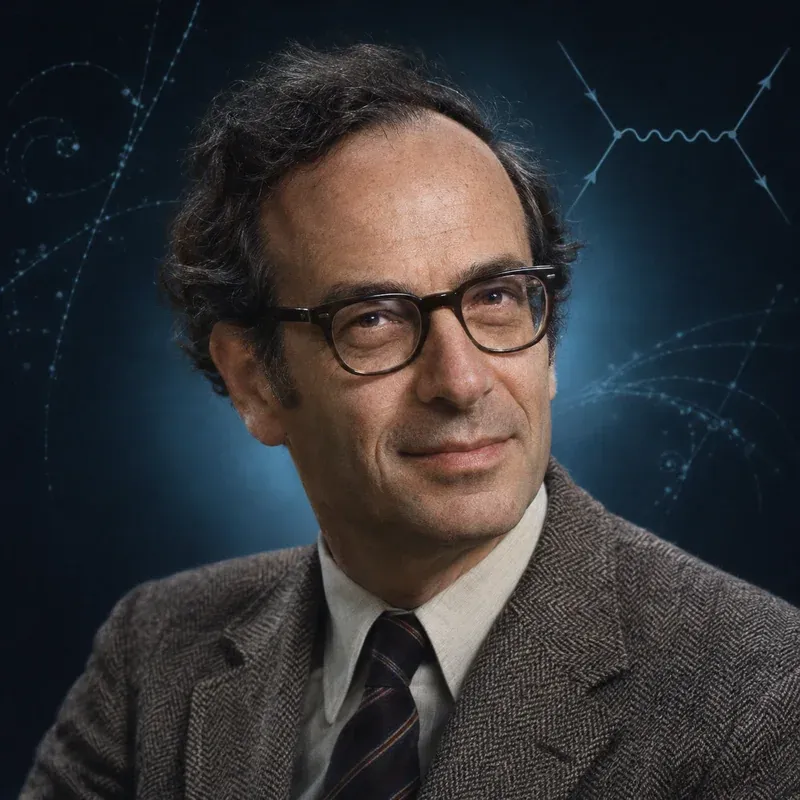
- Wolfgang HampelFounding member of GALLEX
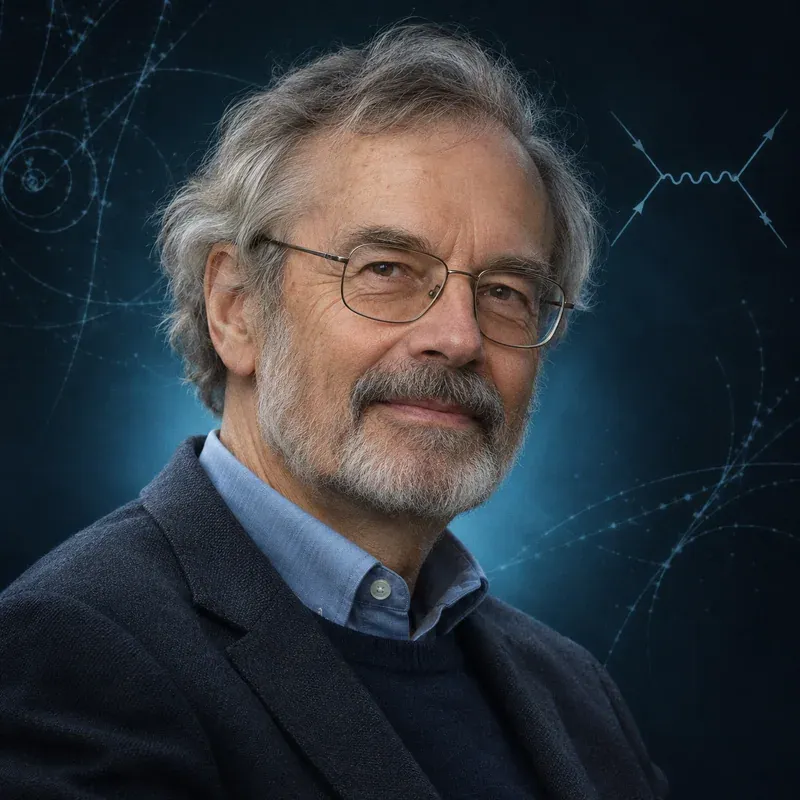
- Kunio InoueKamLAND spokesperson
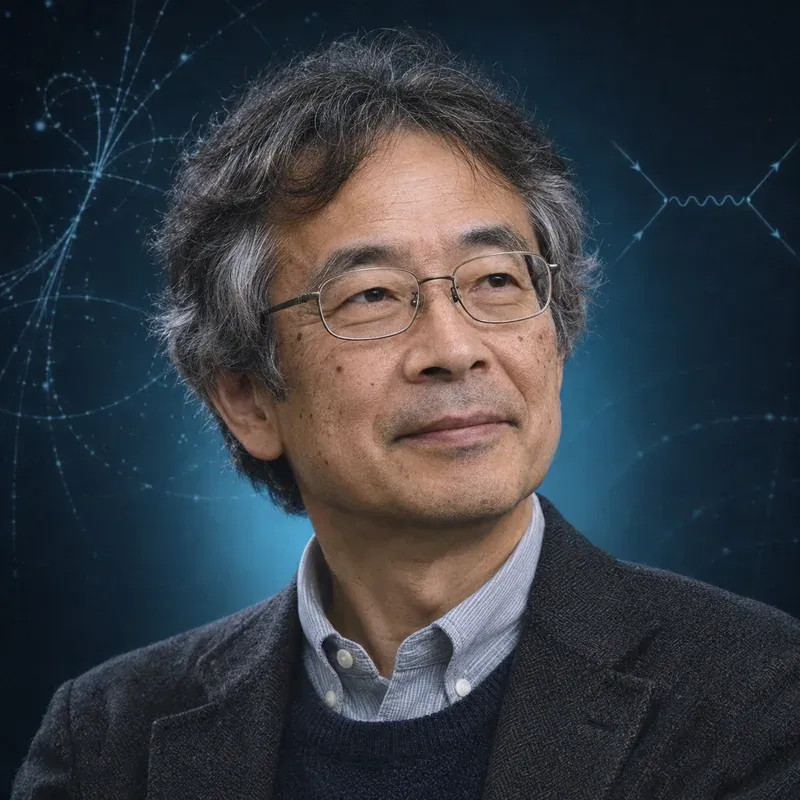
- Takaaki Kajitab. 1959Atmospheric neutrino anomaly at KamiokandeNobel Prize 2015
- Albrecht KarleIceCube Associate Director for Science and Instrumentation (from 2005)
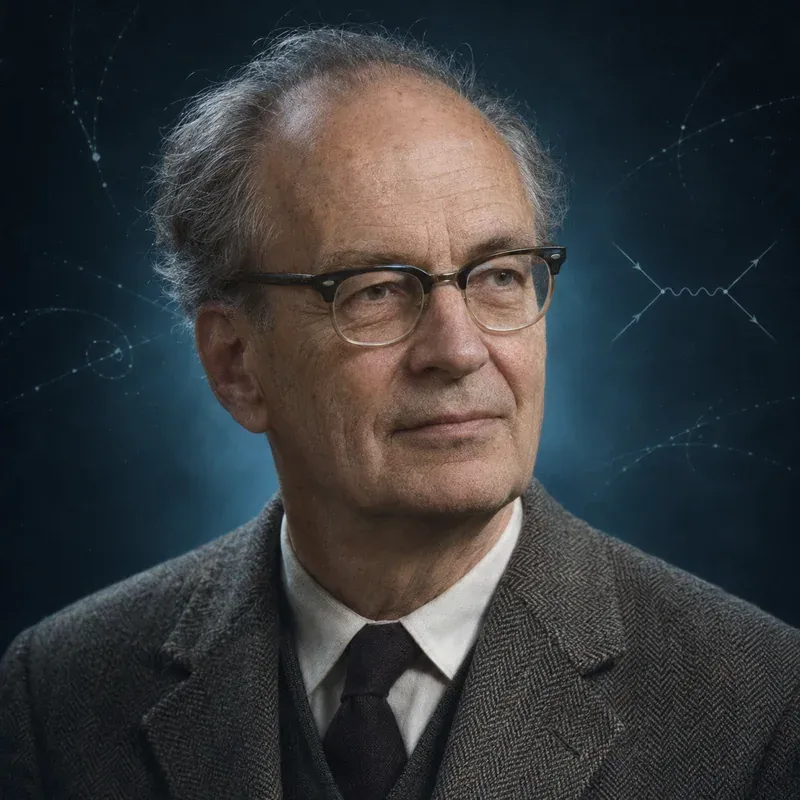
- Soo-Bong Kimb. 1960Leader of RENO
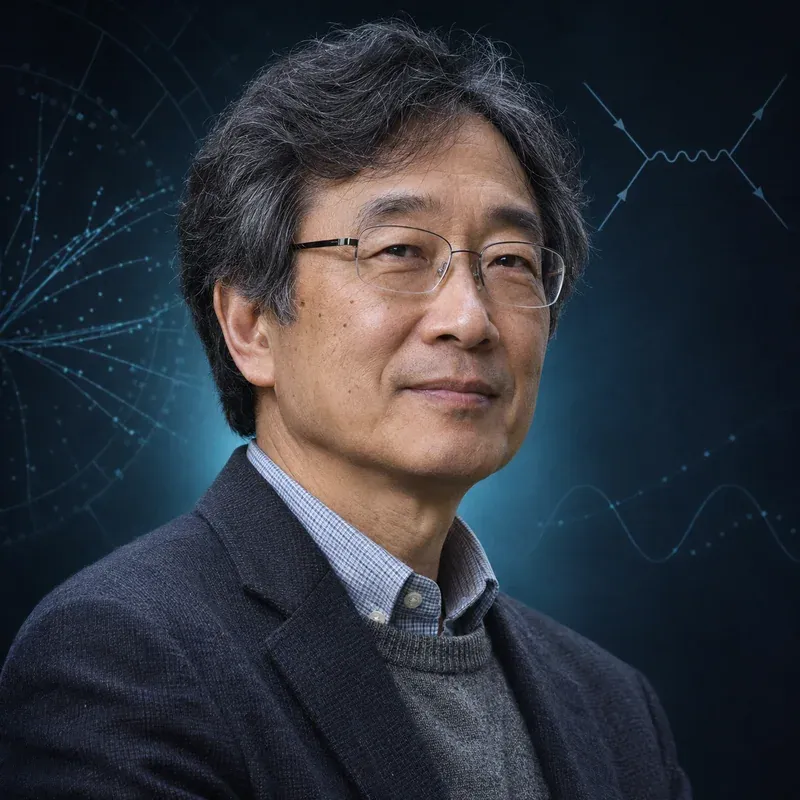
- Till A. KirstenPrincipal investigator / leader of GALLEX
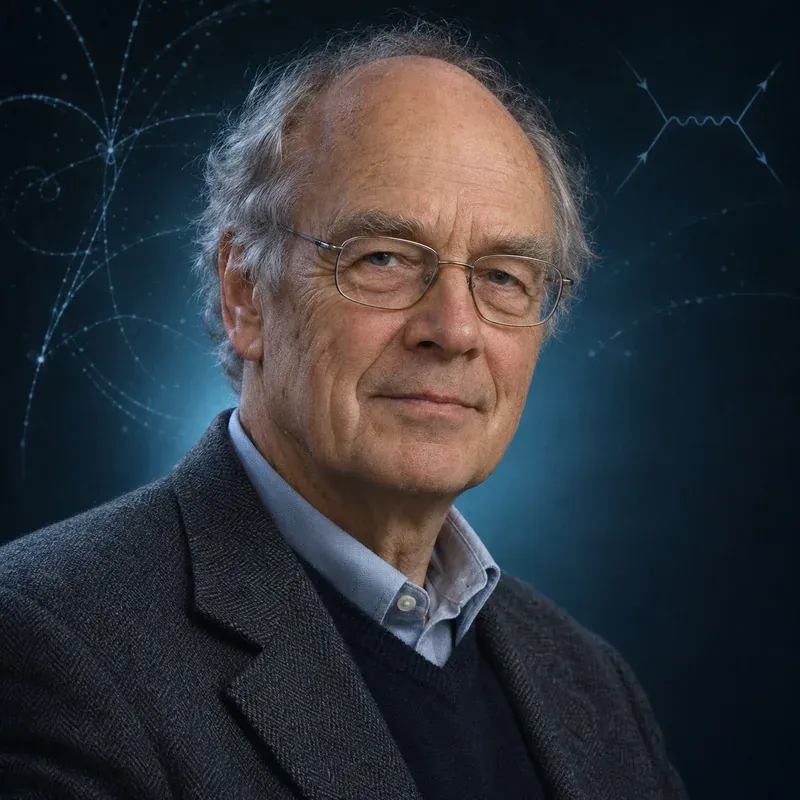
- Hans Volker Klapdor-Kleingrothausb. 1942Proposer and spokesperson of the Heidelberg–Moscow ⁷⁶Ge double beta decay experiment
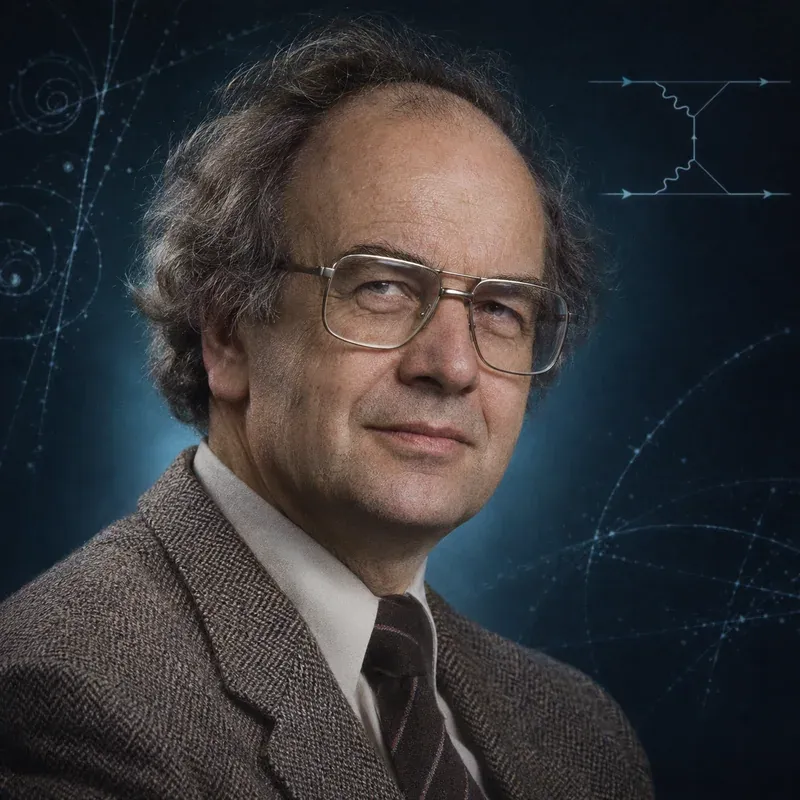
- Takashi Kobayashib. 1968Leader of the T2K neutrino-beam facility construction (1999–2009)
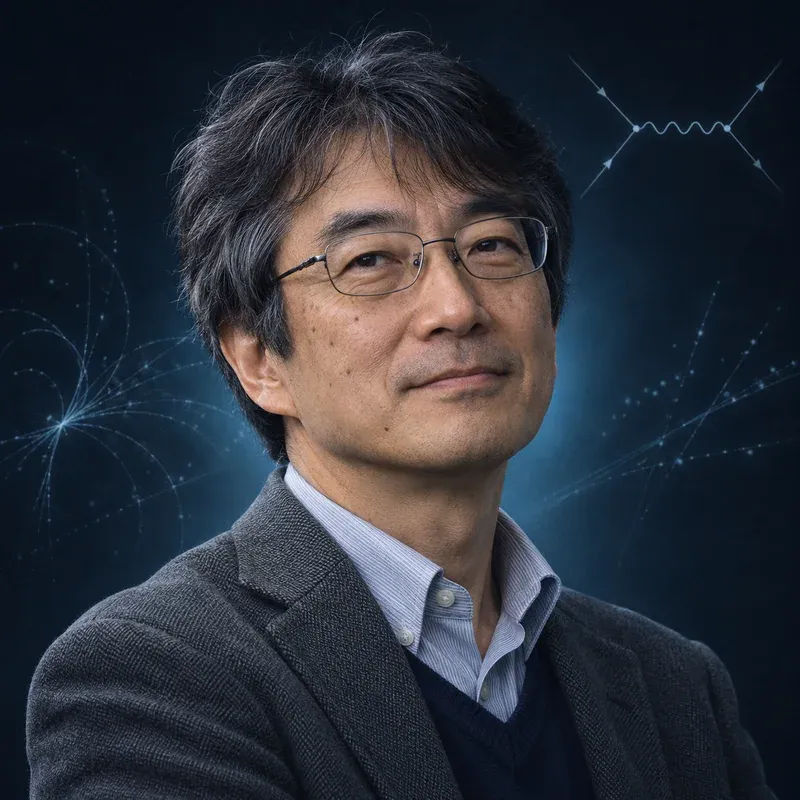
- Koichi KodamaFirst author of DONUT's 'Observation of tau neutrino interactions' (2000/2001)
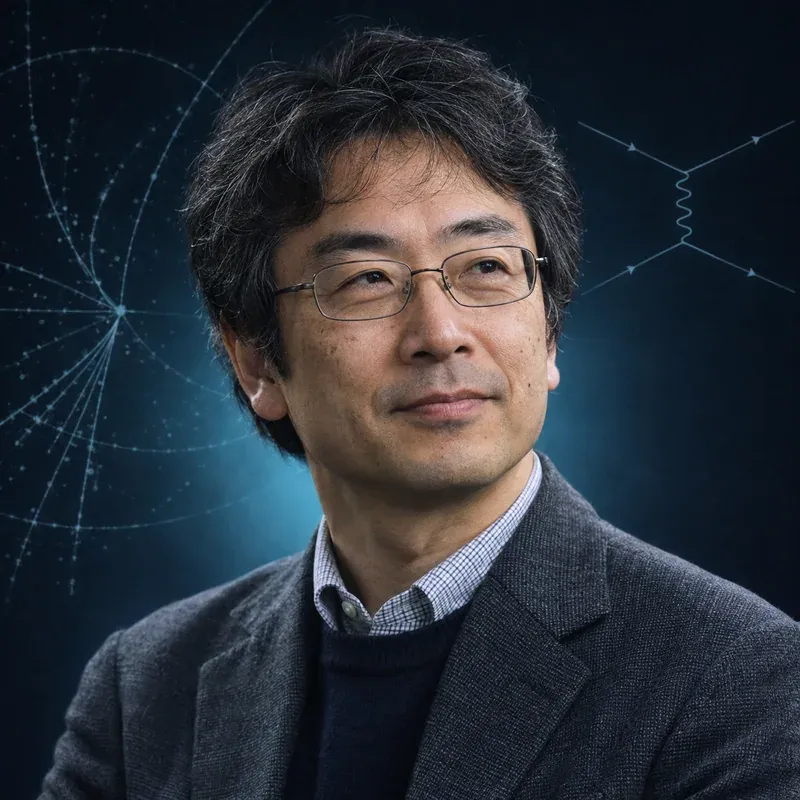
- Masatoshi Koshiba1926–2020KamiokandeNobel Prize 2002
- André Lagarrigue1924–1975'Father of Gargamelle'
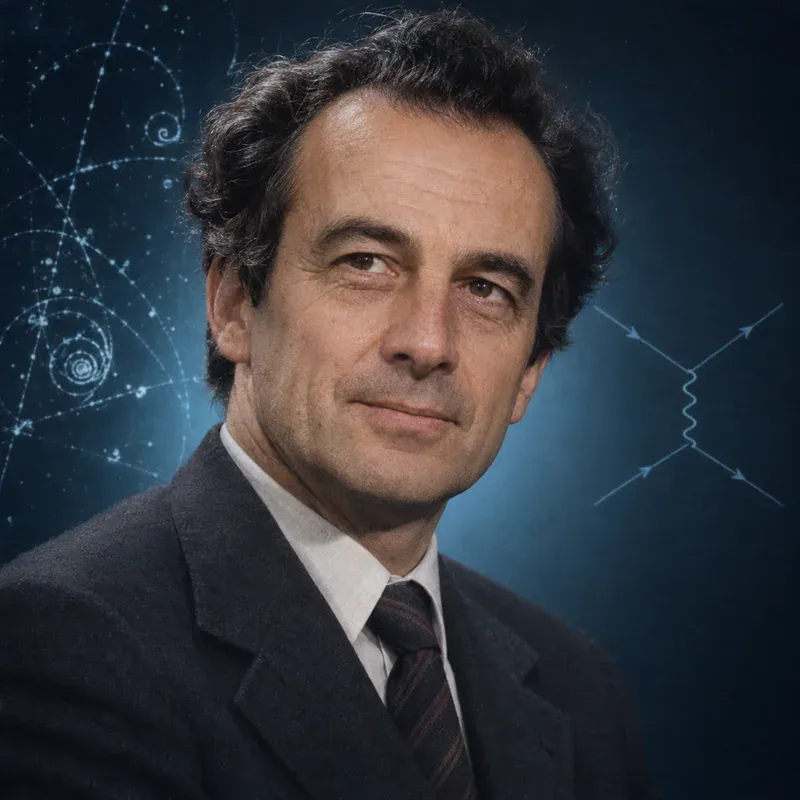
- Kenneth LandePenn group in the Homestake solar neutrino programme
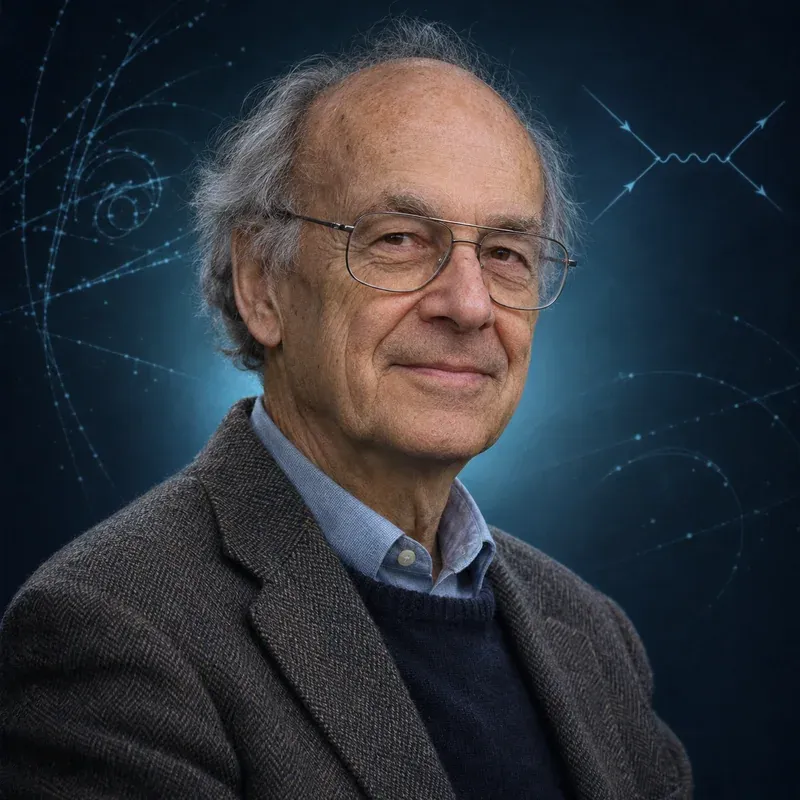
- John G. Learnedb. 1940Co-founder of IMB (1977)
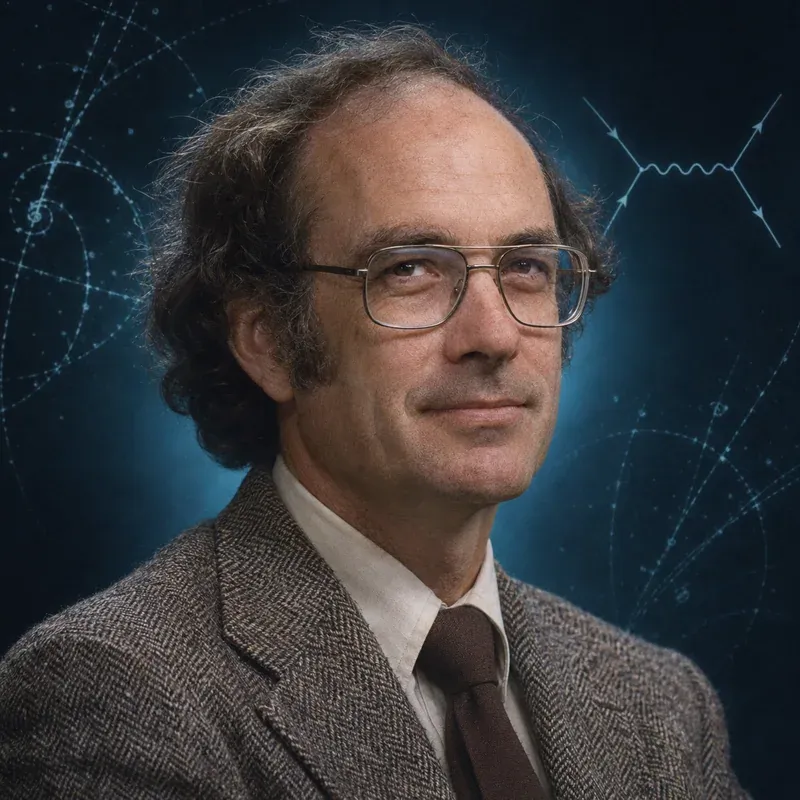
- Leon M. Lederman1922–2018Discovery of the muon neutrino (1962)Nobel Prize 1988
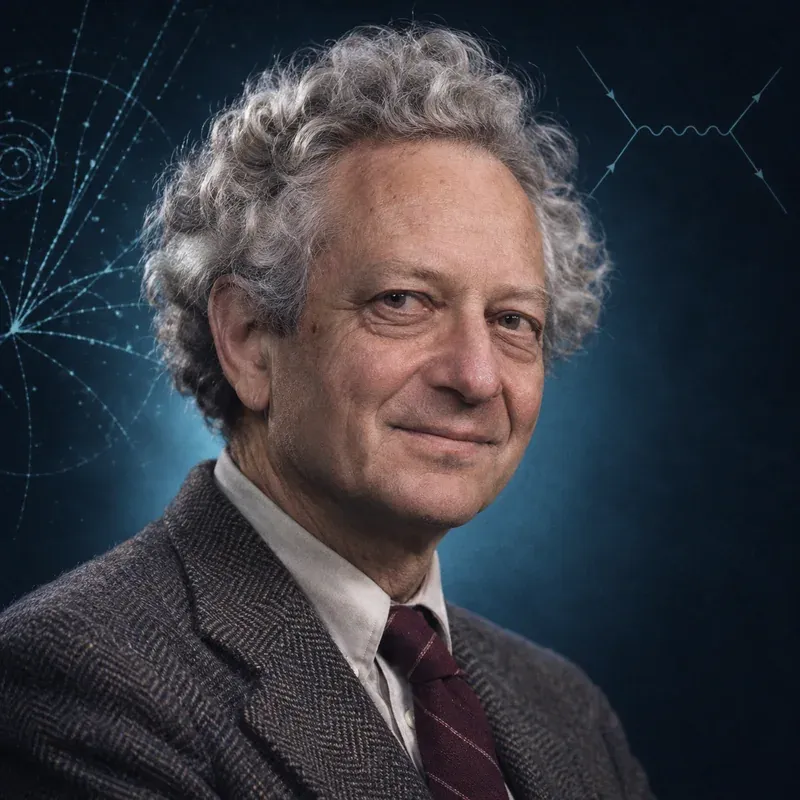
- Vladimir Mikhailovich Lobashev1934–2011Troitsk nu-mass experiment
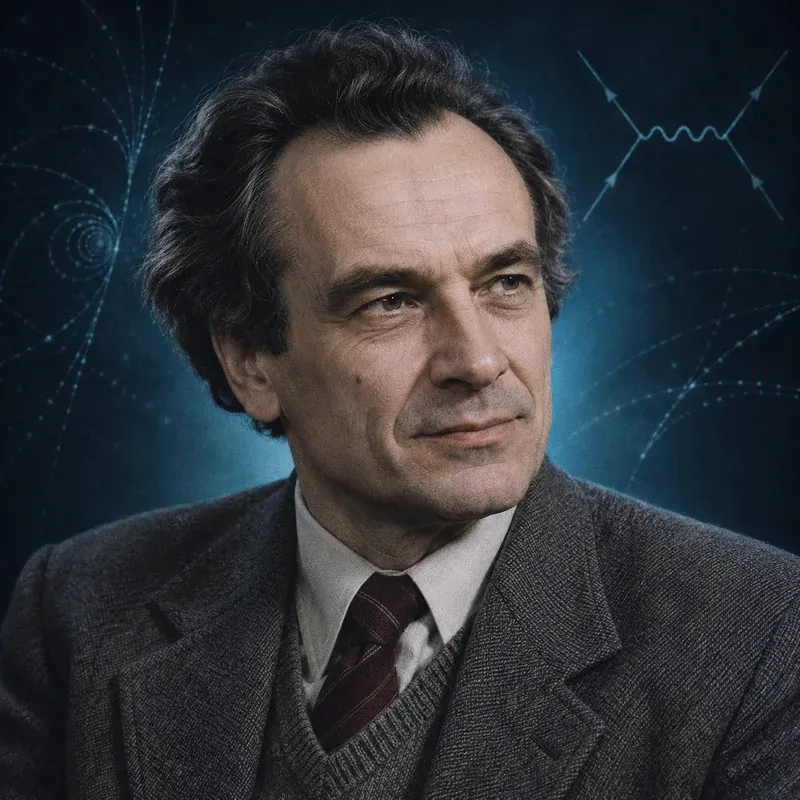
- Francesca Di LodovicoInternational spokesperson of Hyper-Kamiokande (re-elected 2023)
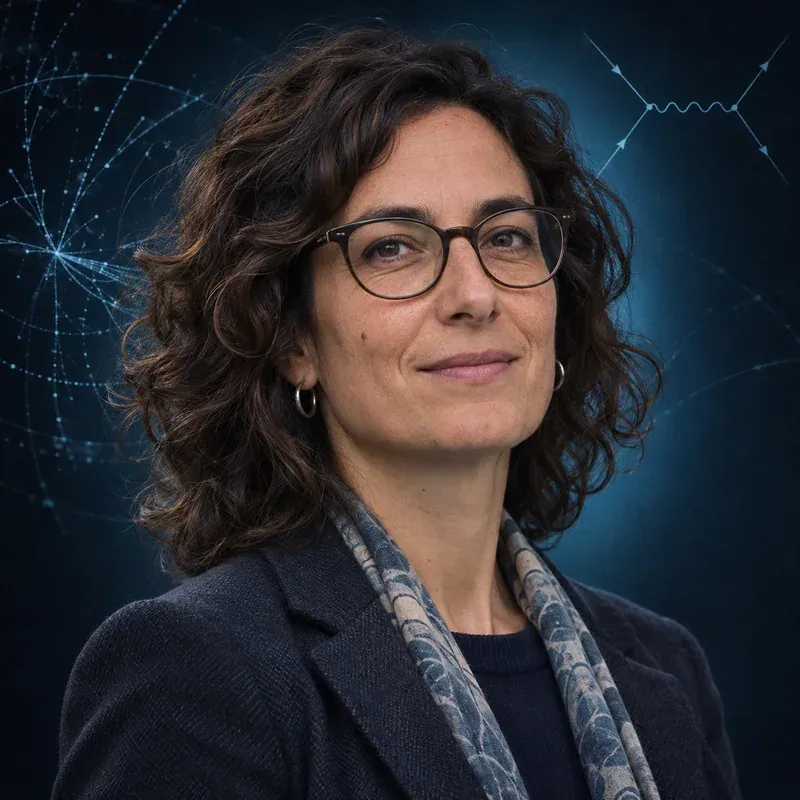
- William C. LouisSpokesperson of LSND
- Kam-Biu Lukb. 1953Co-leader of Daya Bay
- Byron G. LundbergCo-spokesperson of DONUT
- V. A. Lyubimov1980 claim of a ~30 eV electron antineutrino mass from tritium beta decay
- Alfred K. Mann1920–2013Fermilab E-1A neutral currents and dimuons
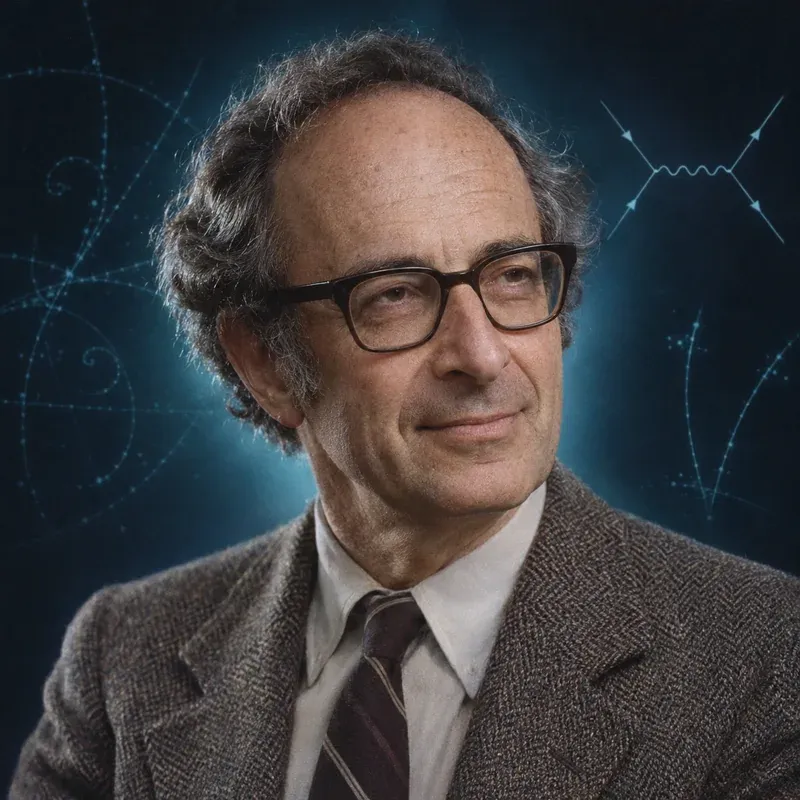
- Moisey Alexandrovich Markov1908–19941960 proposal of deep underwater/lake neutrino telescopes
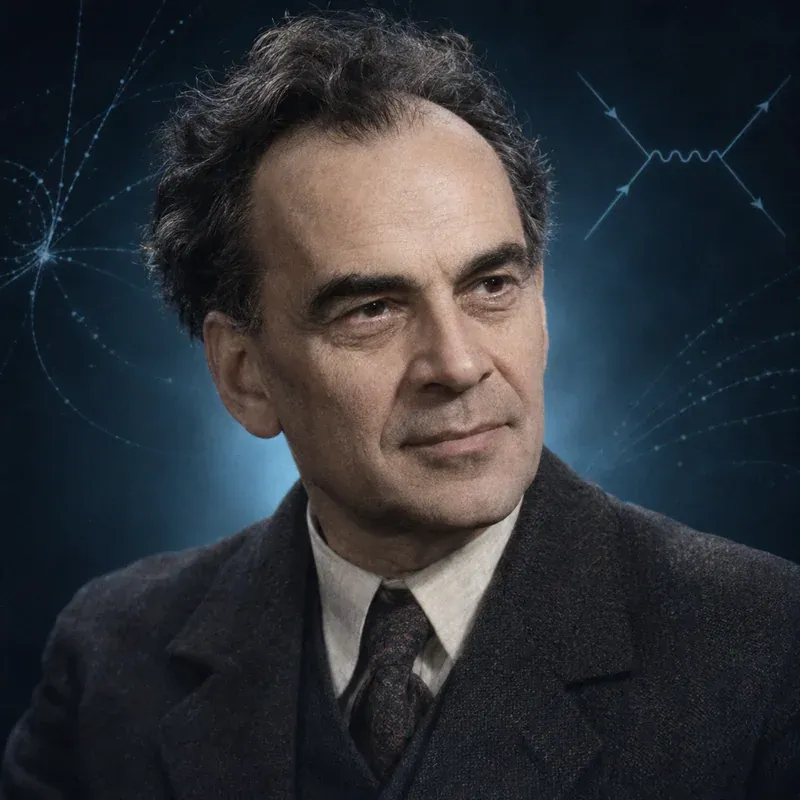
- Arthur B. McDonaldb. 1943Director of the Sudbury Neutrino Observatory (SNO)Nobel Prize 2015
- Simon van der Meer1925–2011Magnetic (van der Meer) horn for neutrino beams (1961)Nobel Prize 1984
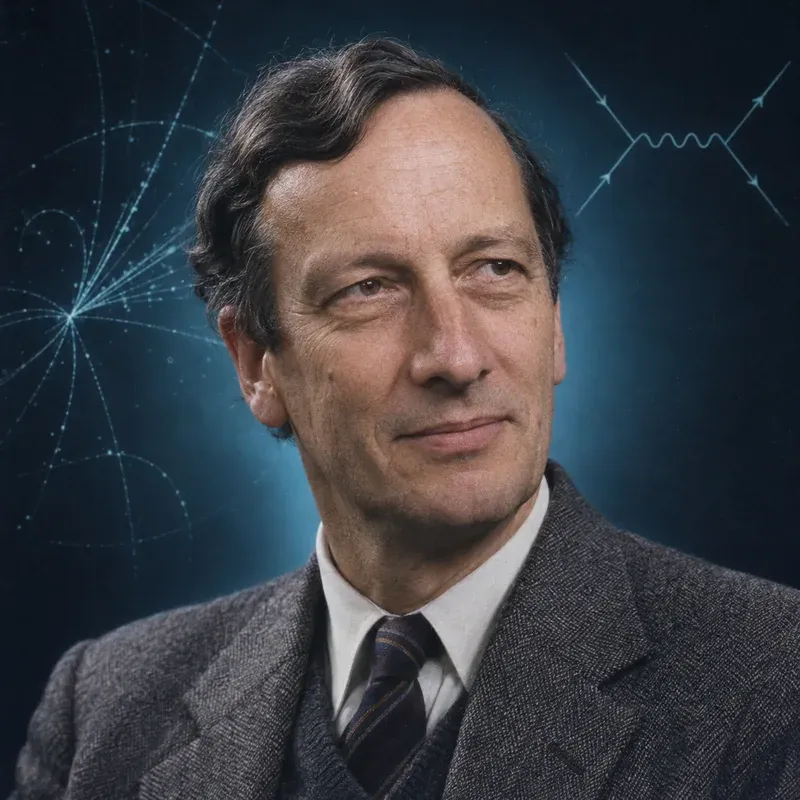
- Susanne MertensKATRIN co-spokesperson (from 2022)
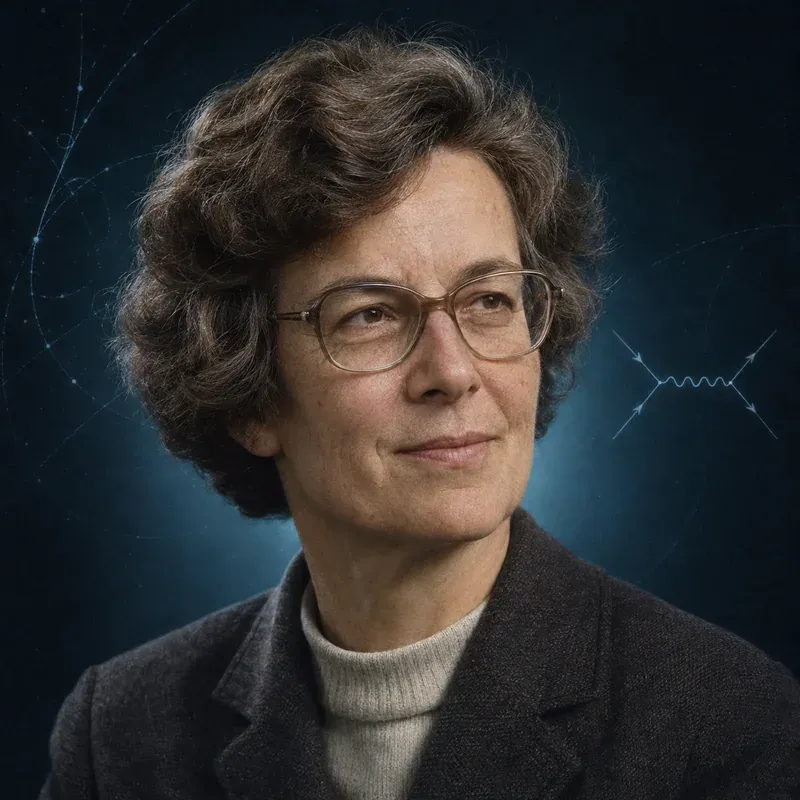
- Mark D. MessierSuper-Kamiokande atmospheric neutrino analysis (1998 oscillation discovery)
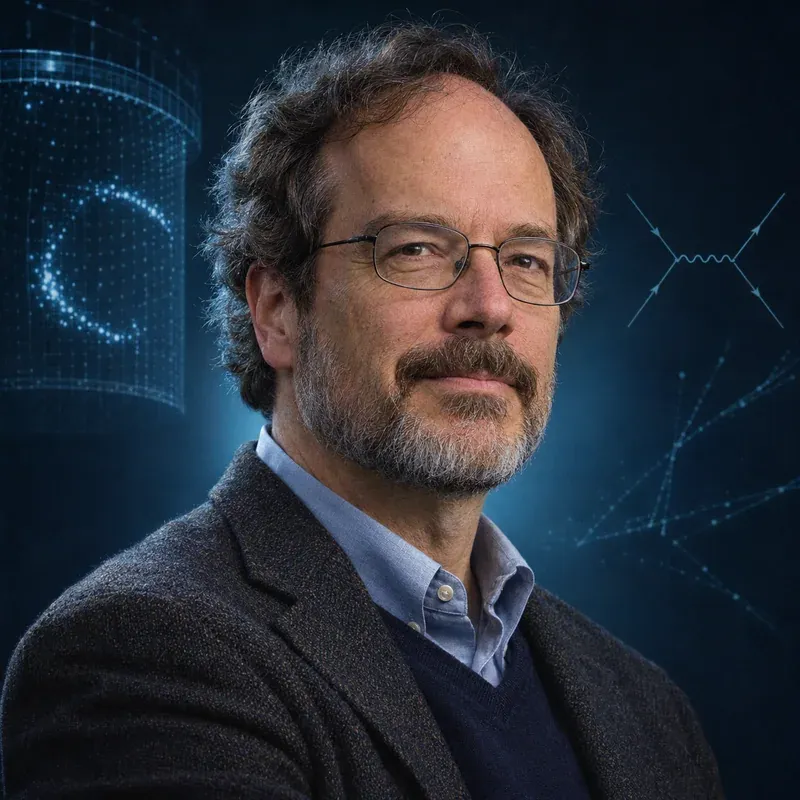
- Michael K. Moeb. 1937First laboratory observation of two-neutrino double beta decay (⁸²Se, 1987)
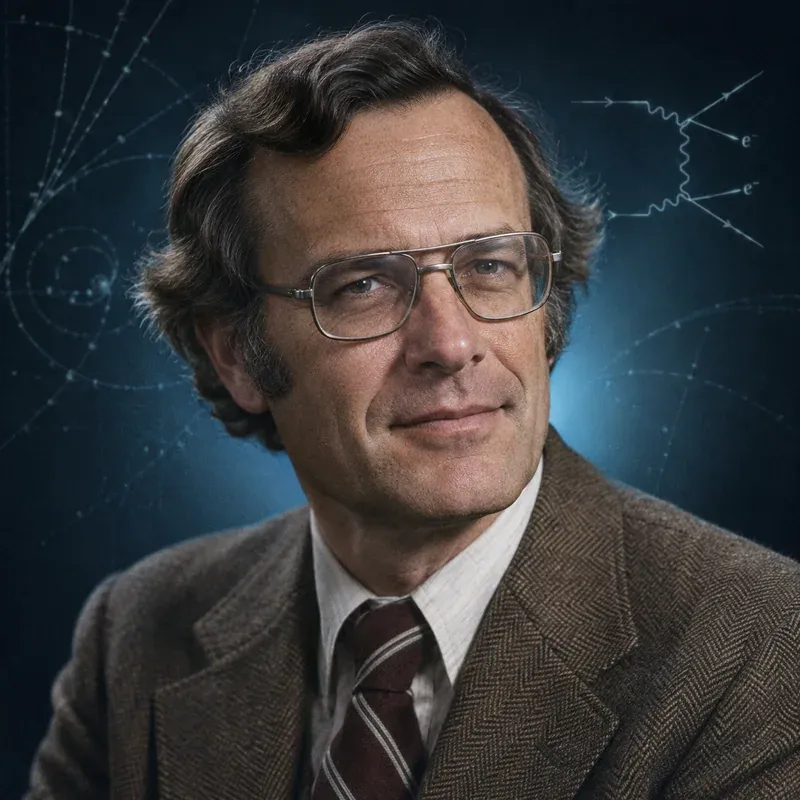
- Rudolf Ludwig Mössbauer1929–2011Discovery of recoilless nuclear resonance absorption, the Mössbauer effect (1958)Nobel Prize 1961
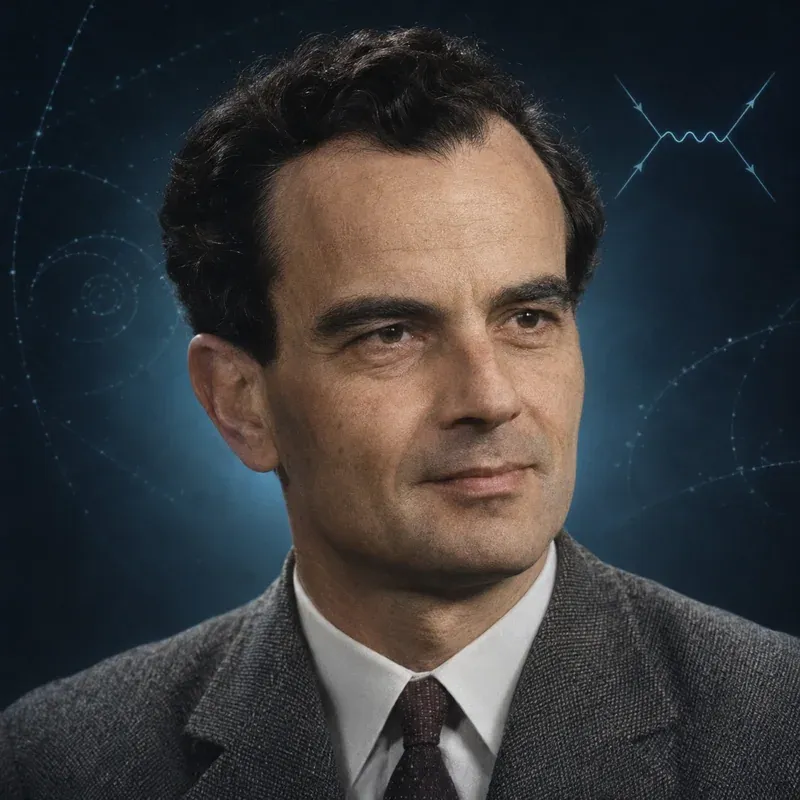
- Paul MussetLeading figure of the Gargamelle collaboration
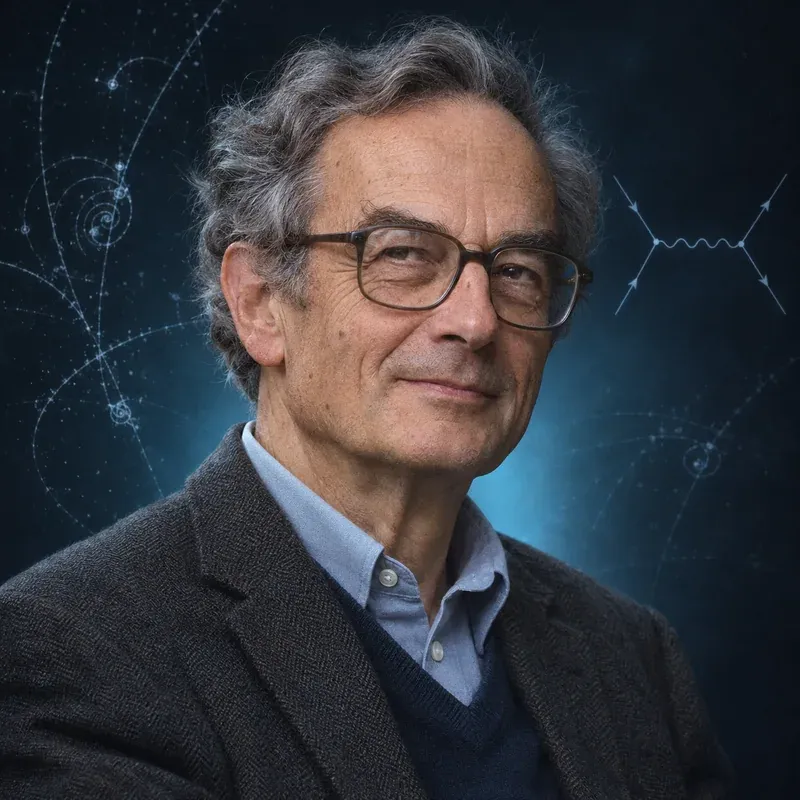
- Masayuki Nakahatab. 1959First to find the SN 1987A neutrino signal in Kamiokande data
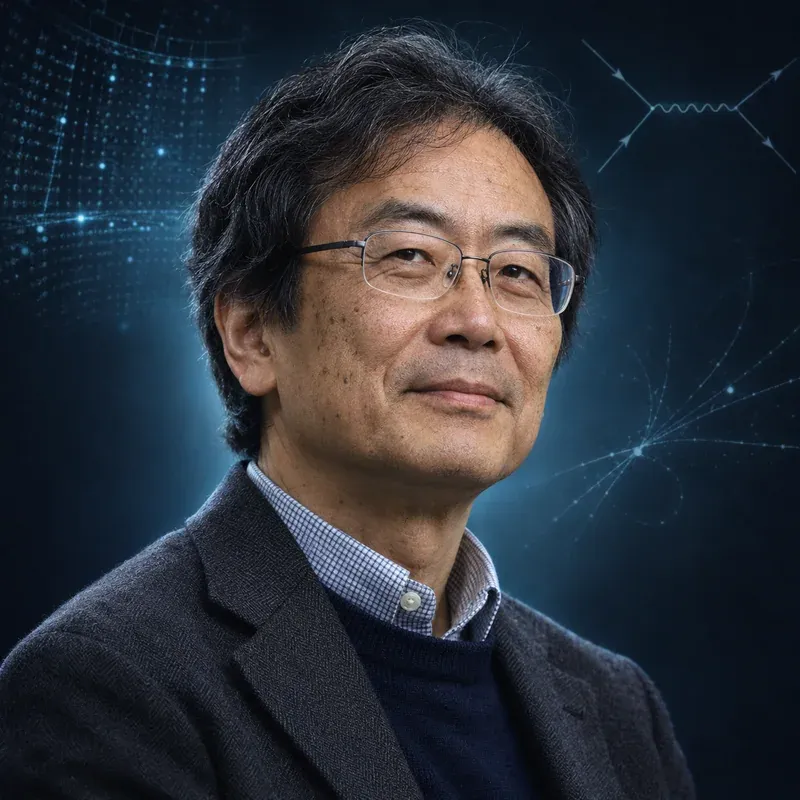
- Tsuyoshi NakayaObservation of electron-neutrino appearance in a muon-neutrino beam (T2K)
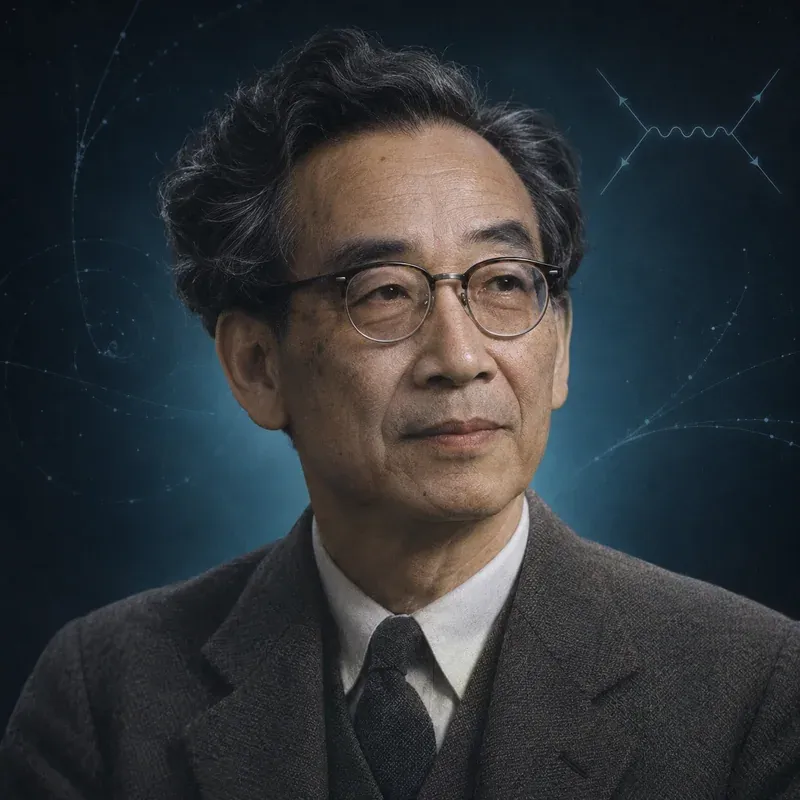
- Kōichirō Nishikawa1949–2018Founder and leader of K2K
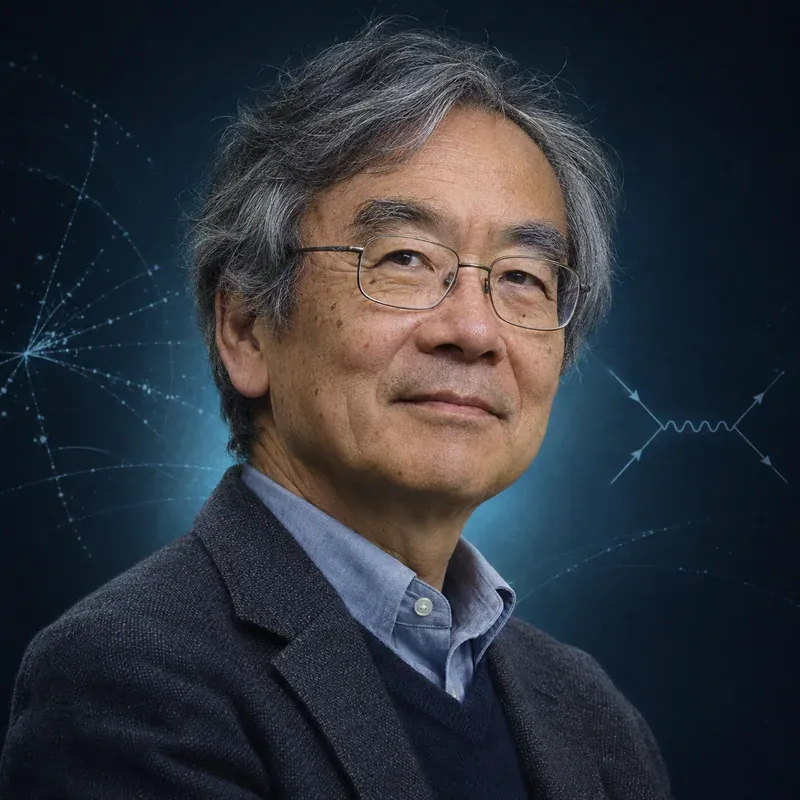
- Kimio NiwaAutomated nuclear-emulsion scanning
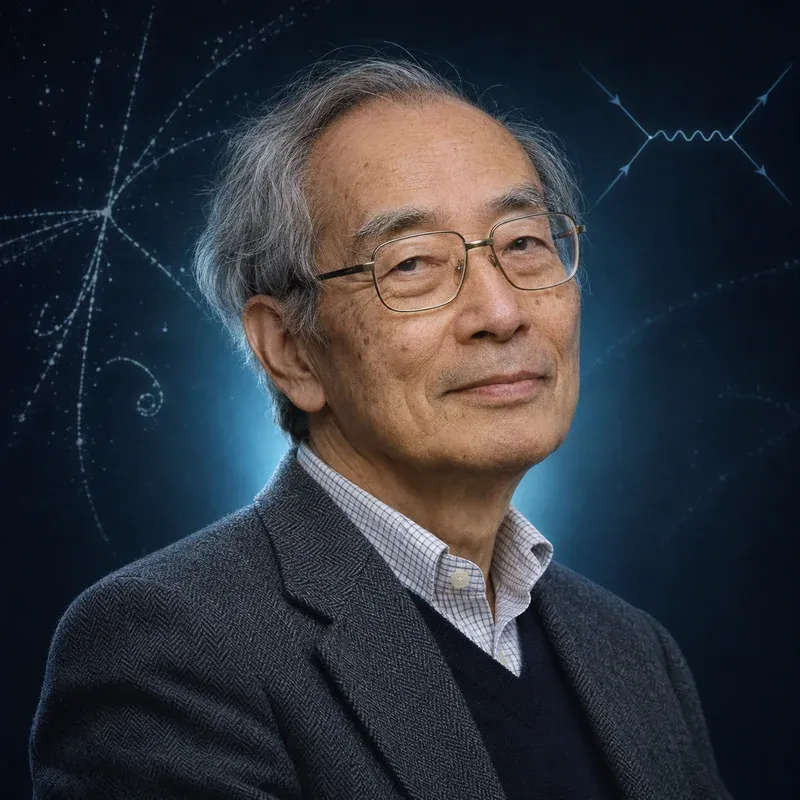
- Ernst-Wilhelm Otten1934–2019Tritium beta-decay endpoint measurements
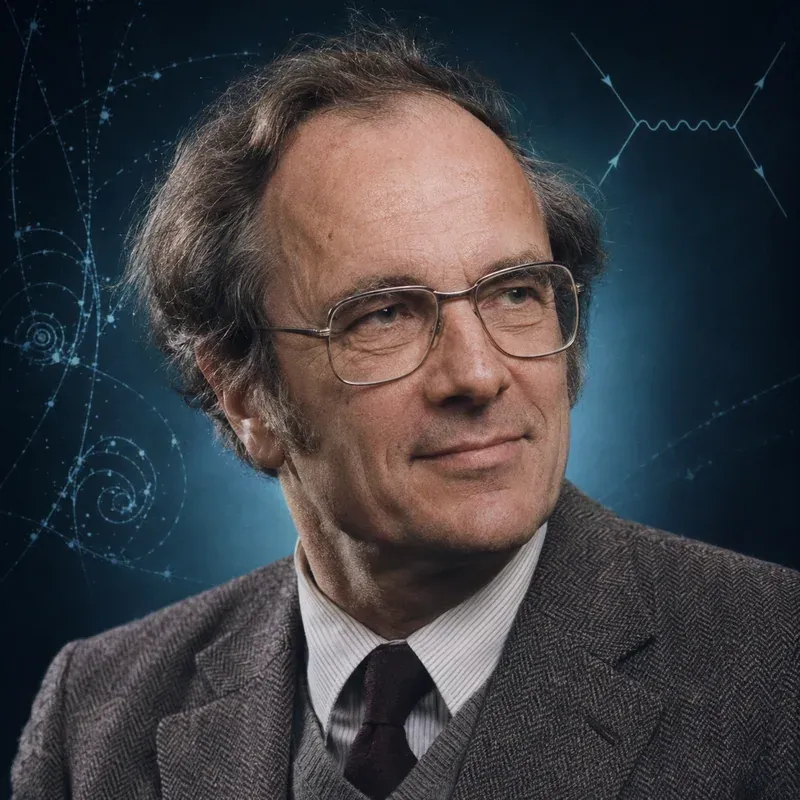
- Vittorio PaoloneCo-spokesperson of DONUT
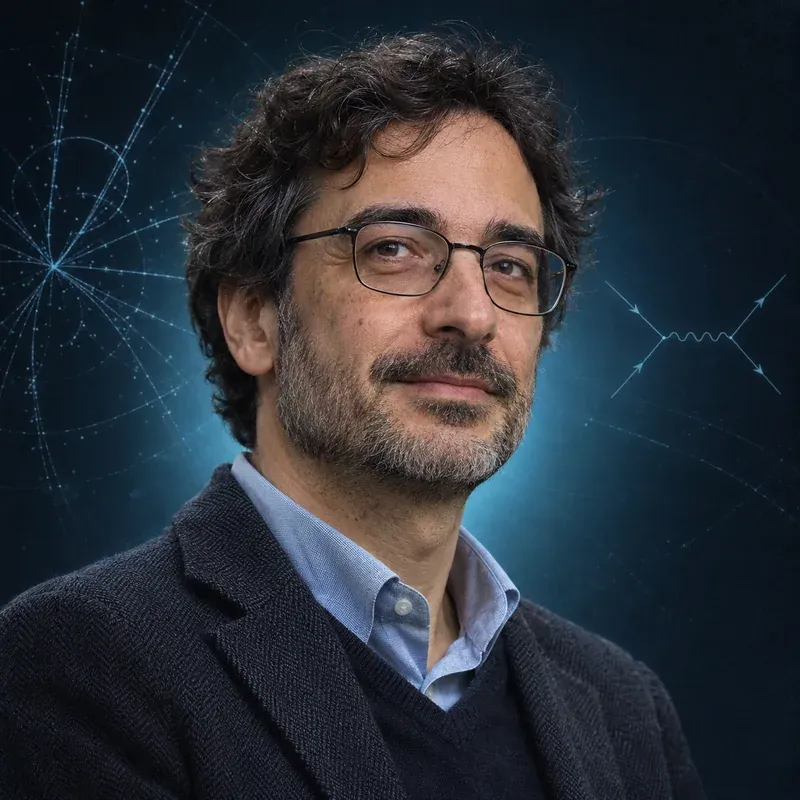
- Donald Hill Perkins1925–2022Gargamelle neutral-current discovery
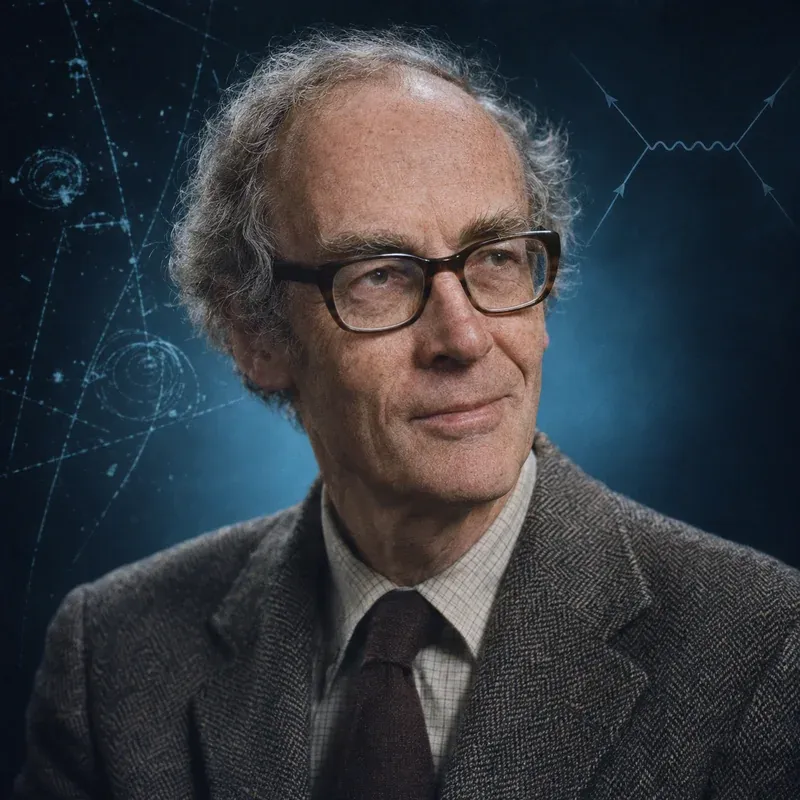
- Martin Lewis Perl1927–2014Discovery of the tau lepton (1975)Nobel Prize 1995
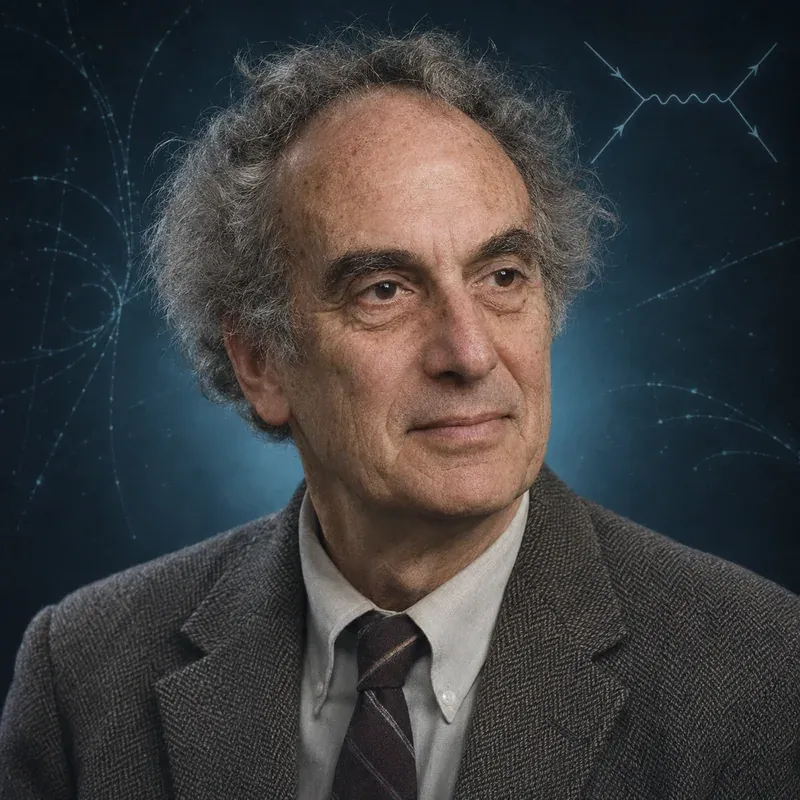
- P. Buford Price1932–2021Founding member of AMANDA
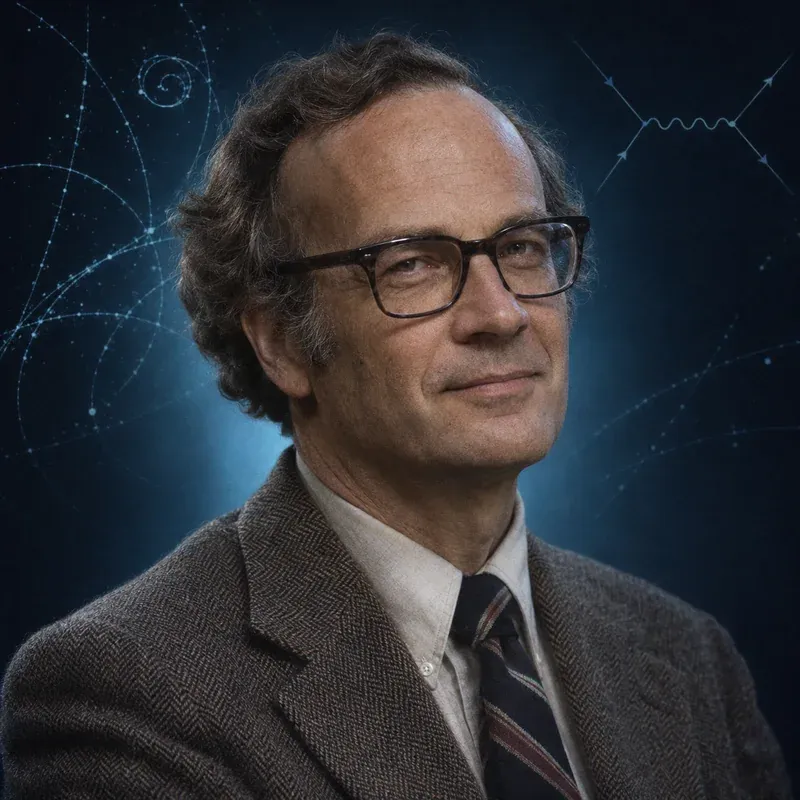
- Regina A. (Gina) RameikaDONUT first direct observation of the tau neutrino (2000)
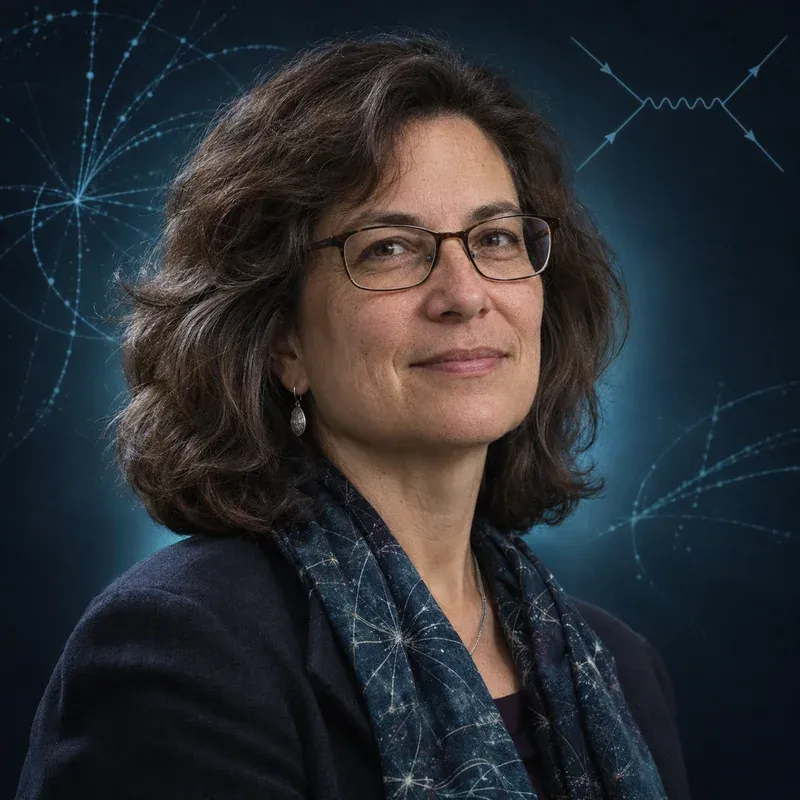
- Frederick Reines1918–1998First detection of the (anti)neutrino with Clyde Cowan (1956)Nobel Prize 1995
- Arthur Roberts1912–2004Organiser of the 1976 DUMAND workshop
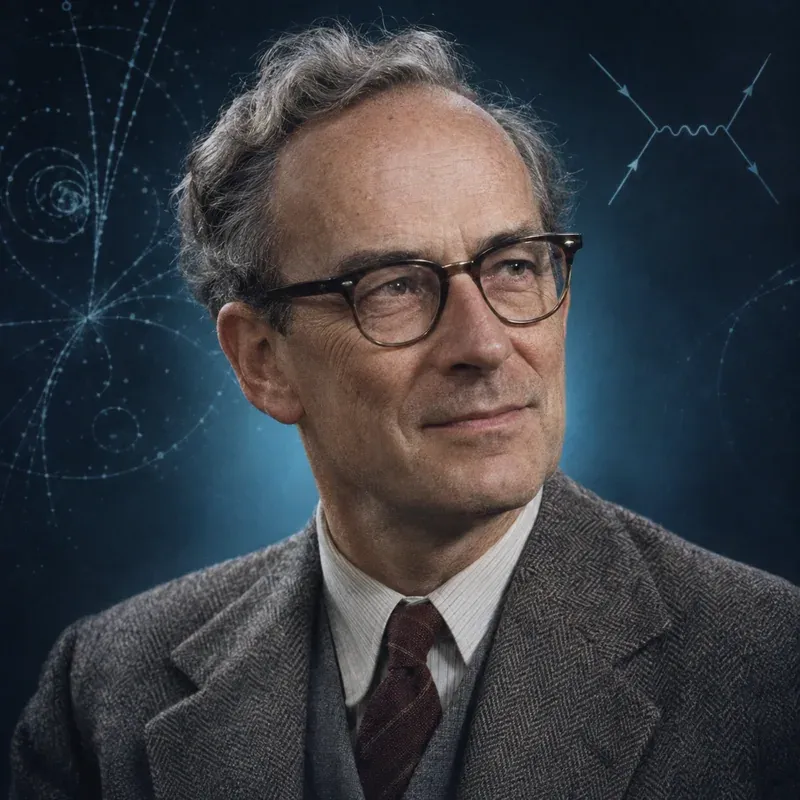
- R. G. Hamish Robertsonb. 1943Tritium beta-decay neutrino-mass limits
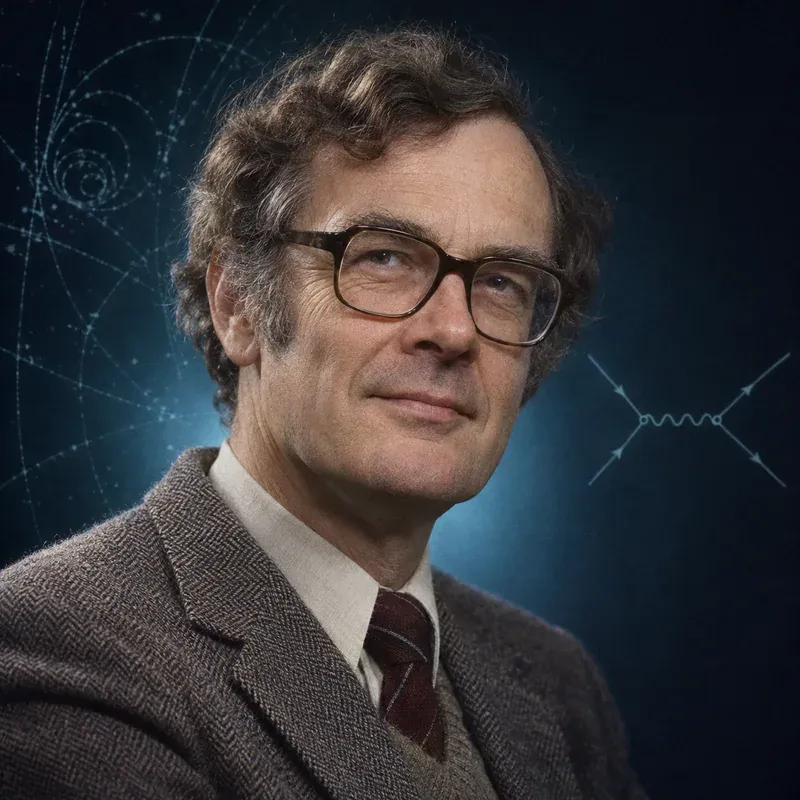
- Carlo Rubbiab. 1934Discovery of the W and Z bosons (Nobel 1984)Nobel Prize 1984
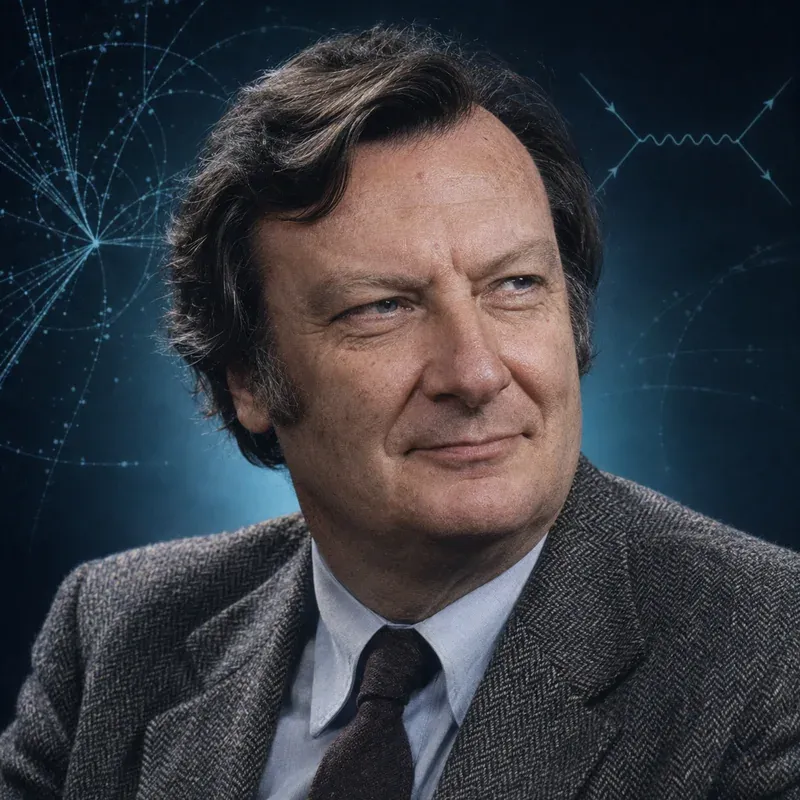
- André RubbiaFirst DUNE co-spokesperson (2015–2017)
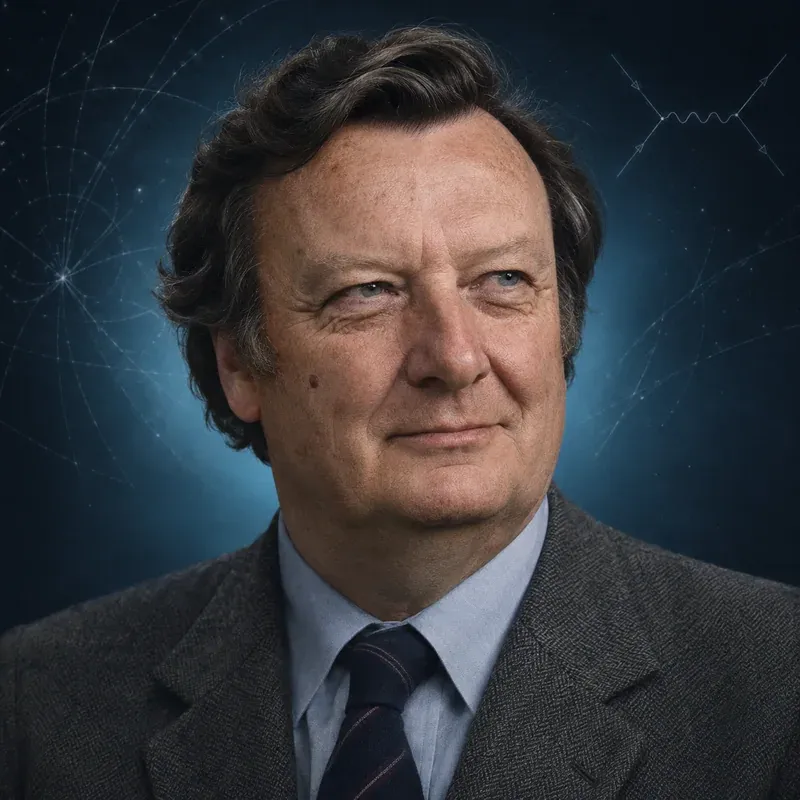
- Nicholas P. Samiosb. 1932Discovery of the Ω⁻ baryon (1964)
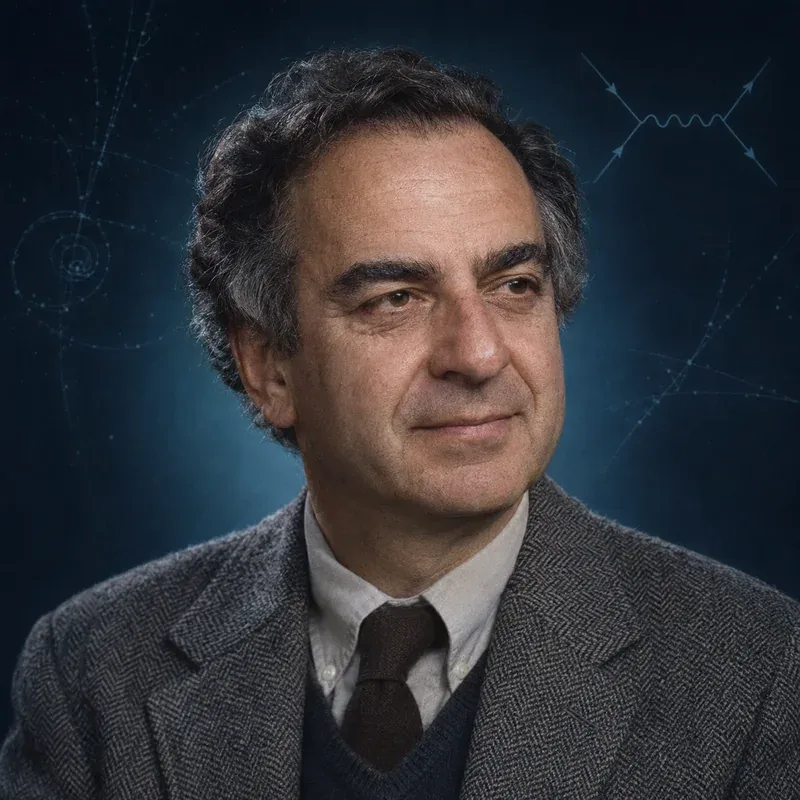
- Kate ScholbergSpokesperson of COHERENT
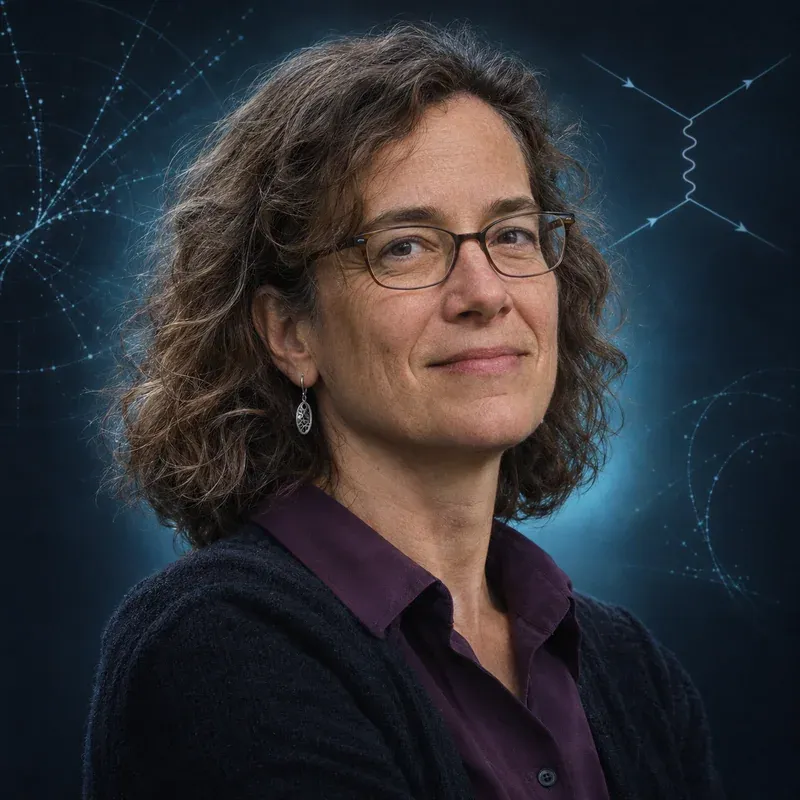
- Stefan SchönertFounding spokesperson of GERDA (2004–2014)
- Melvin Schwartz1932–2006Proposed high-energy accelerator neutrino beams (1960)Nobel Prize 1988
- Frank J. Sciullib. 1938Caltech–Fermilab neutrino experiment with a narrow-band beam
- Masato ShiozawaDirector of Kamioka Observatory
- Henry W. SobelIMB collaboration
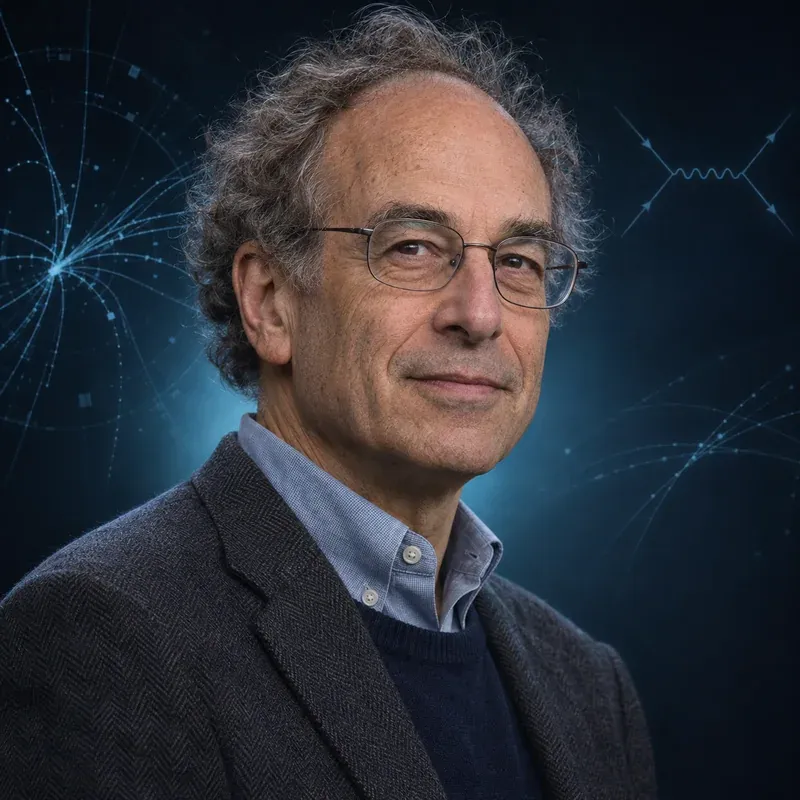
- Jack Steinberger1921–2020Discovery of the muon neutrino (1962)Nobel Prize 1988
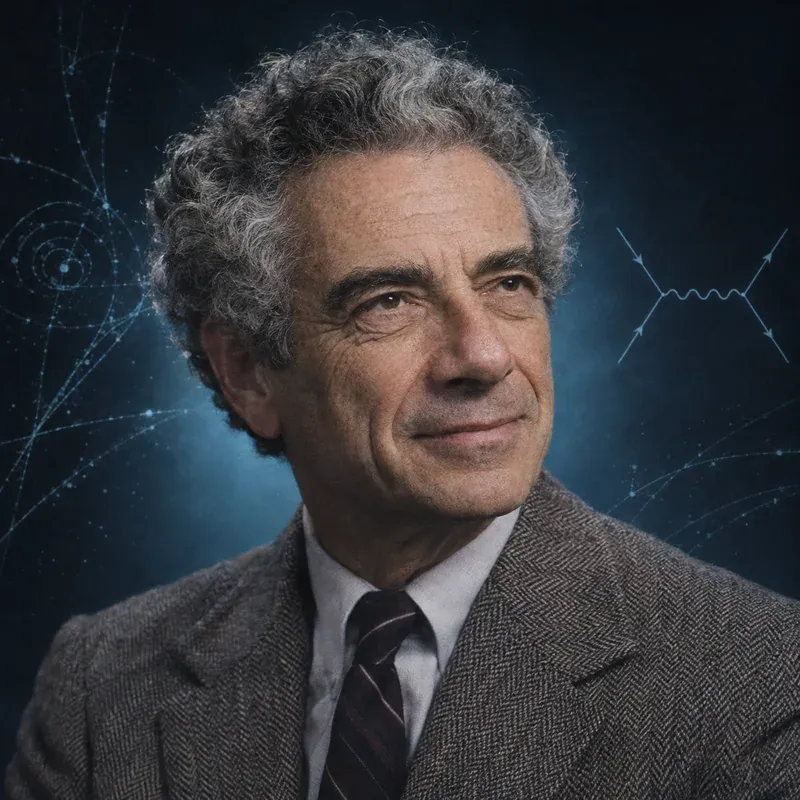
- Lawrence R. Sulakb. 1944Co-discovery of neutral currents (HPWF, Fermilab)
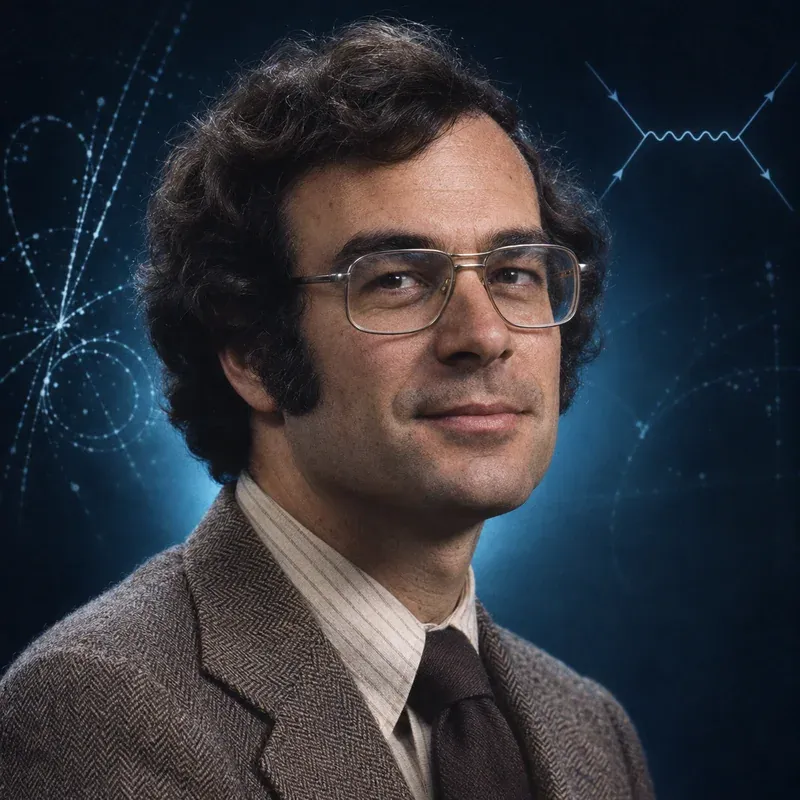
- Andrew W. Sunyar1920–1986Goldhaber–Grodzins–Sunyar neutrino-helicity experiment
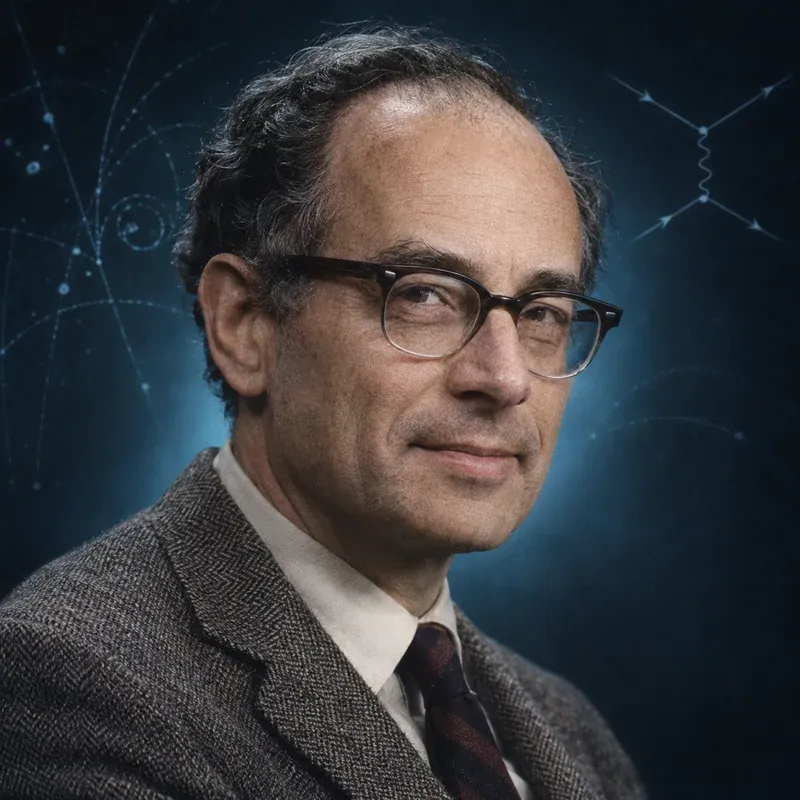
- Atsuto Suzukib. 1946Leader of KamLAND
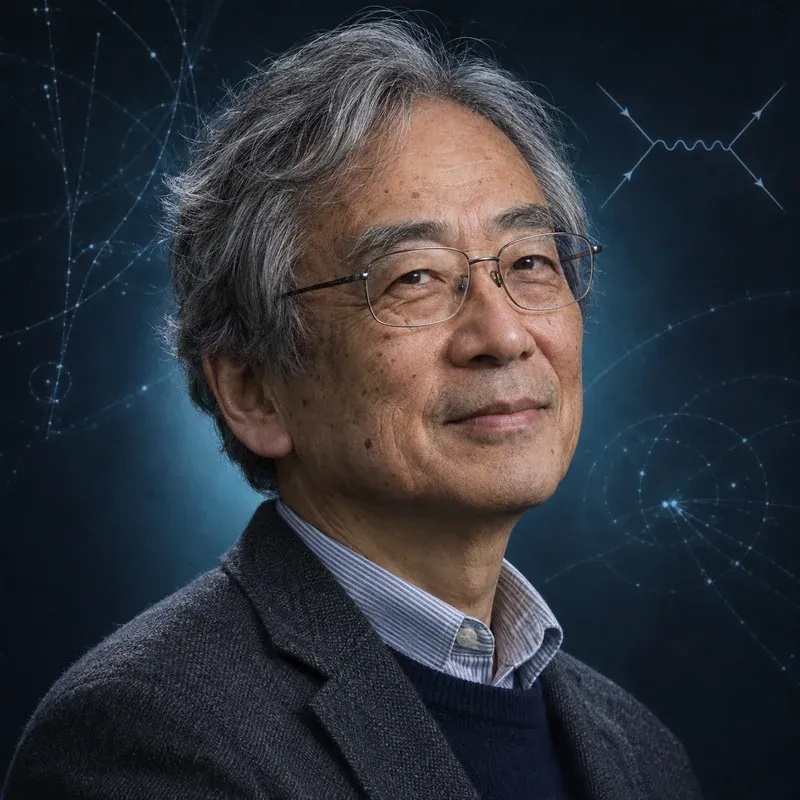
- Yōichirō Suzukib. 1952Super-Kamiokande solar and atmospheric neutrino results
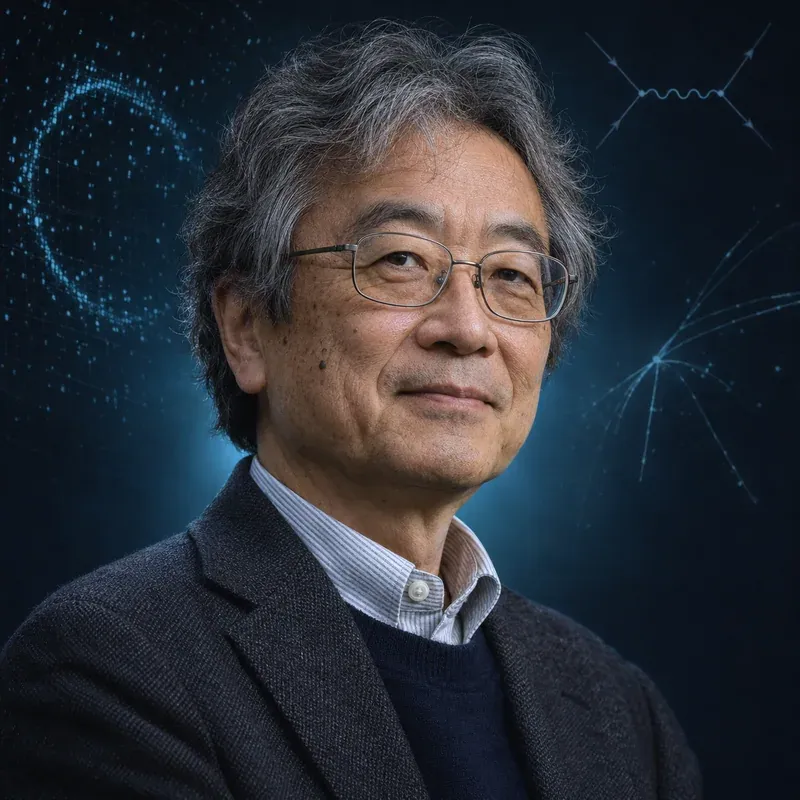
- Mark Thomsonb. 1966Co-spokesperson of DUNE (2015–2018)
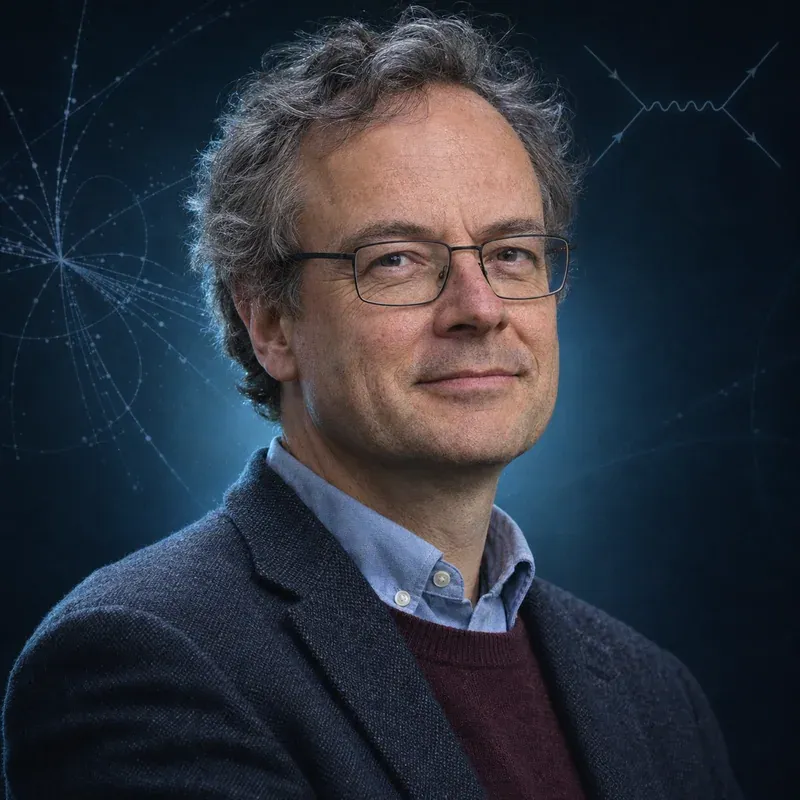
- Yoji Totsuka1942–2008Leader of Super-Kamiokande
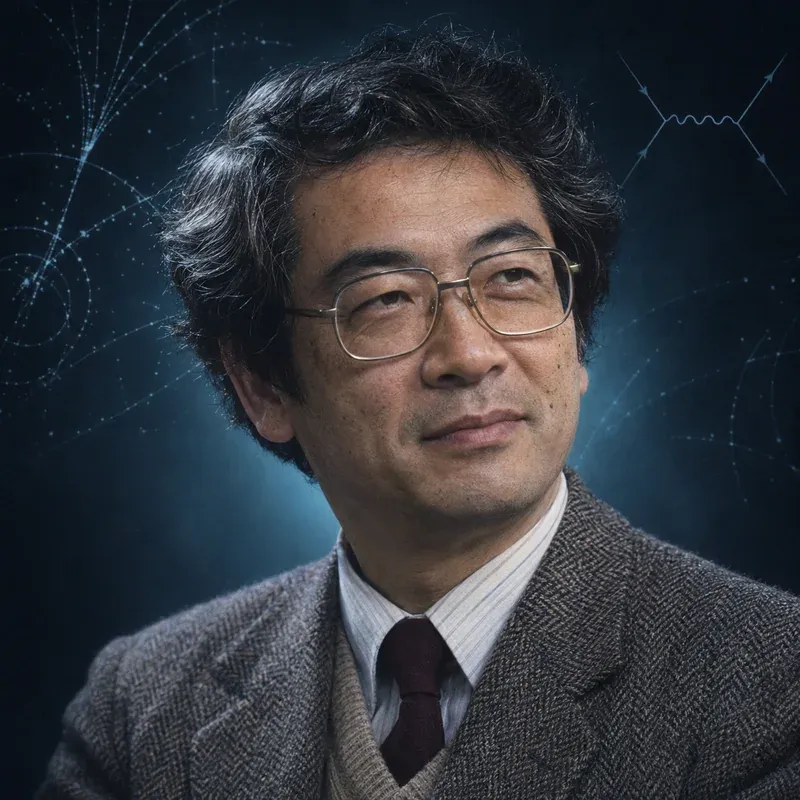
- Patricia (Tricia) VahleNOvA co-spokesperson (elected 2018)
- Kathrin ValeriusKATRIN co-spokesperson (from 2022)
- Christian WeinheimerMainz neutrino-mass experiment
- Hywel White1931–2018Project manager of LSND
- Klaus Winter1930–2015Leadership of the CHARM and CHARM II neutrino experiments at the CERN SPS
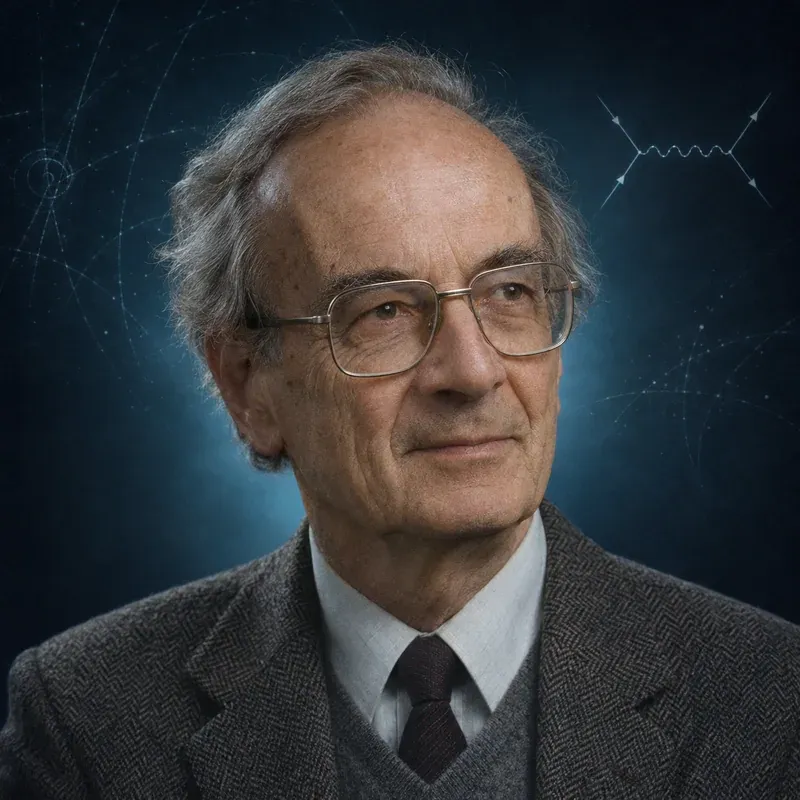
- Stanley Wojcicki1937–2023Proposed and led MINOS
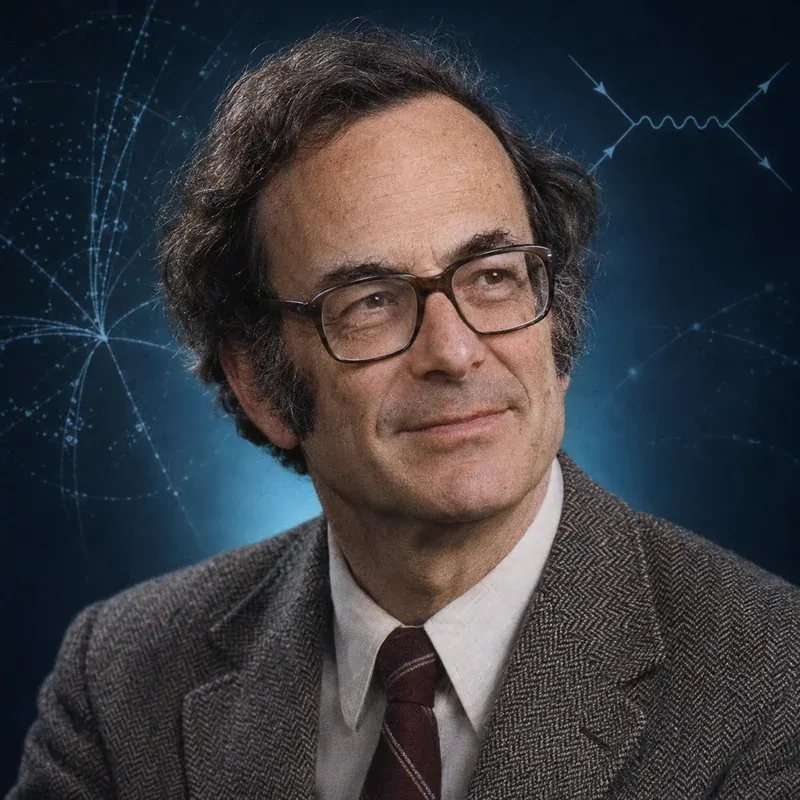
- Chien-Shiung Wu1912–1997Wu experiment: parity violation in Co-60 beta decay (1956–57)
- Wang Yifangb. 1963Co-leader of Daya Bay
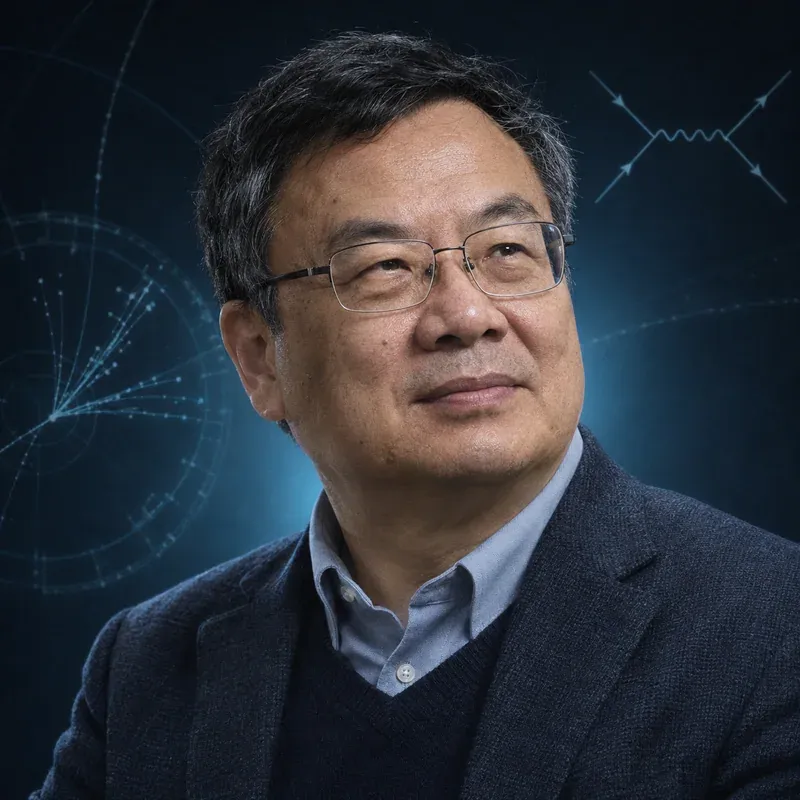
- Antonino Zichichi1929–2026Conceiving the Gran Sasso National Laboratory (1979)
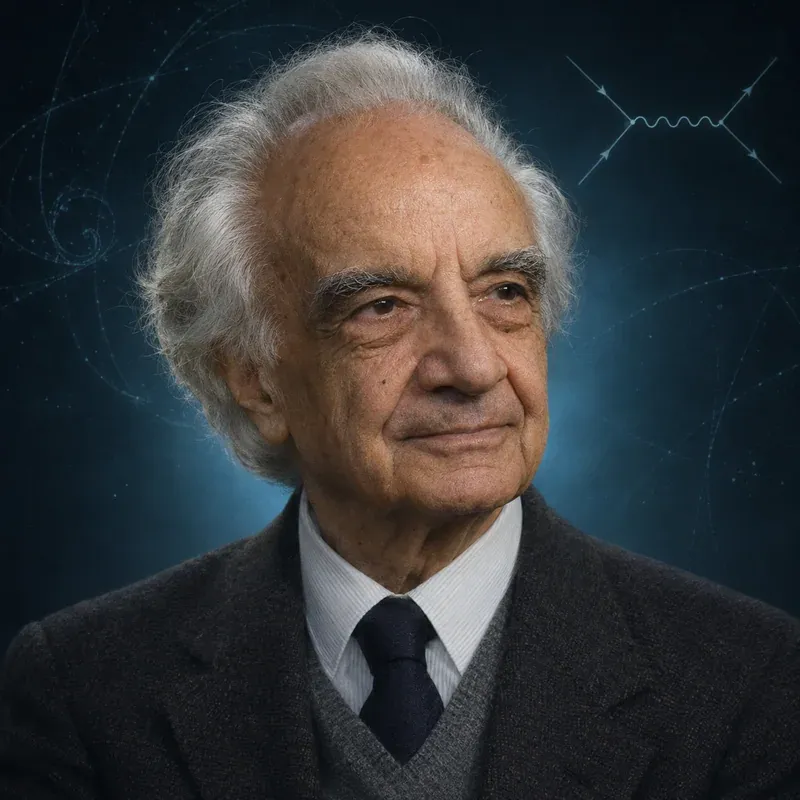
Astrophysics and cosmology
- John Norris Bahcall1934–2005Standard solar model and solar neutrino flux predictions
- Veniamin Sergeevich Berezinsky1934–2023Cosmogenic (GZK) neutrinos (with Zatsepin, 1969)
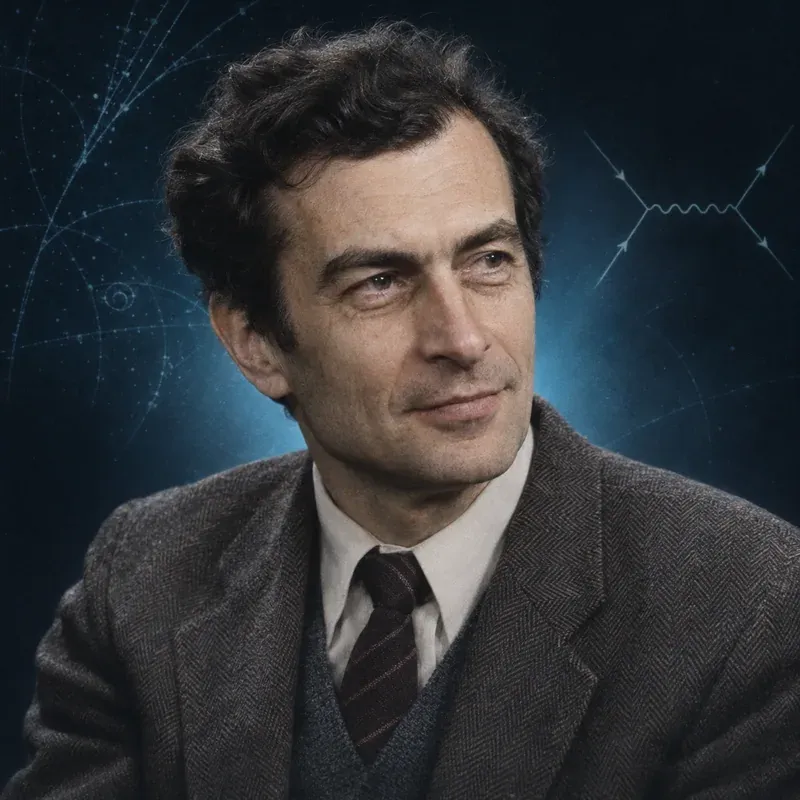
- Hans Bethe1906–2005Bethe–Peierls neutrino cross-section estimate (1934)Nobel Prize 1967
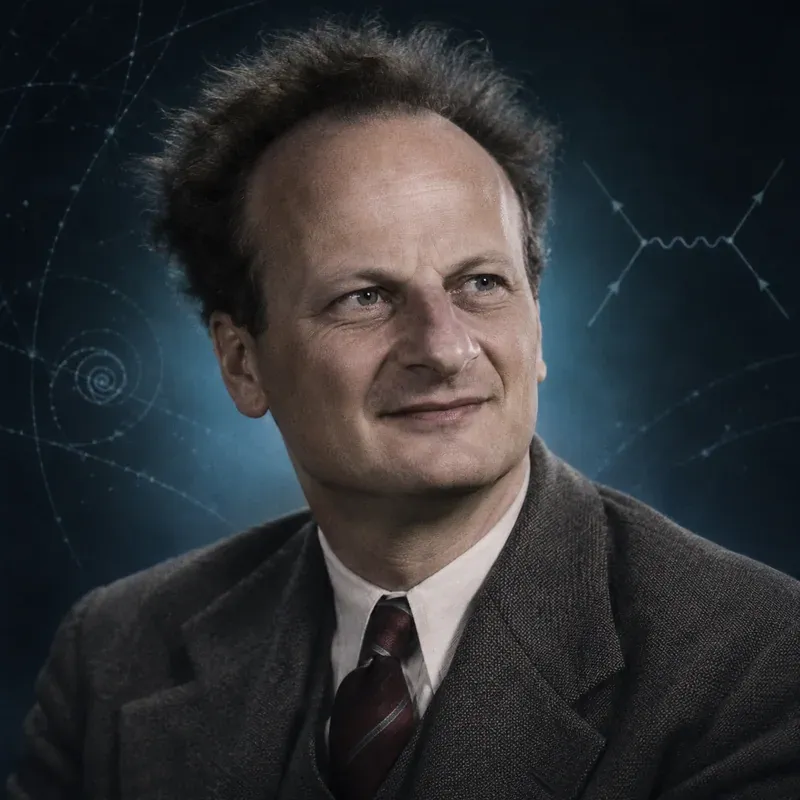
- Adam BurrowsTheory of neutrino emission from newborn neutron stars (with J. Lattimer)
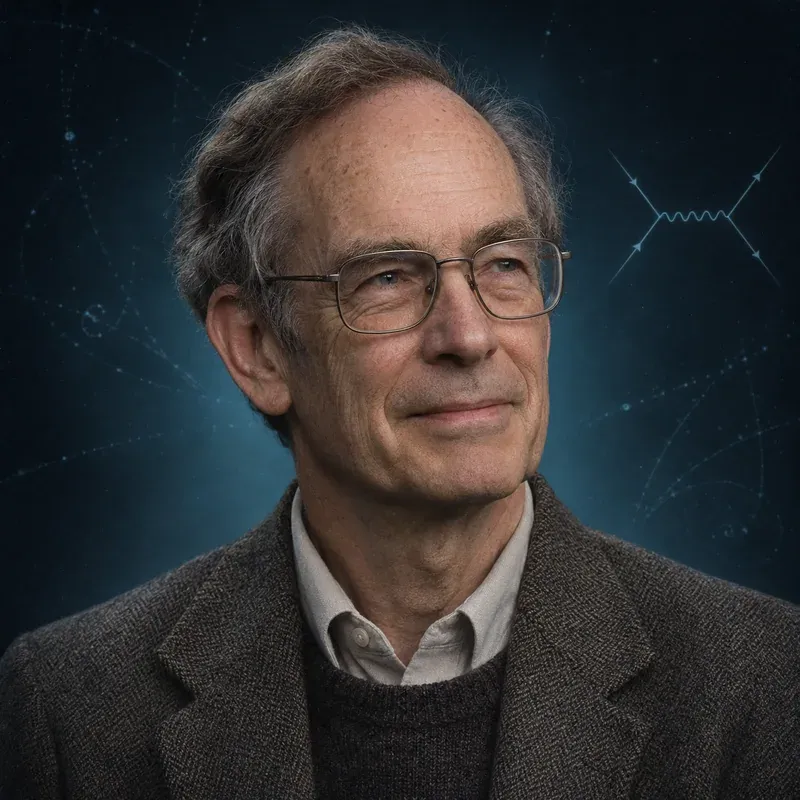
- Stirling Auchincloss Colgate1925–2013Neutrino-driven core-collapse supernova model (Colgate & White 1966)
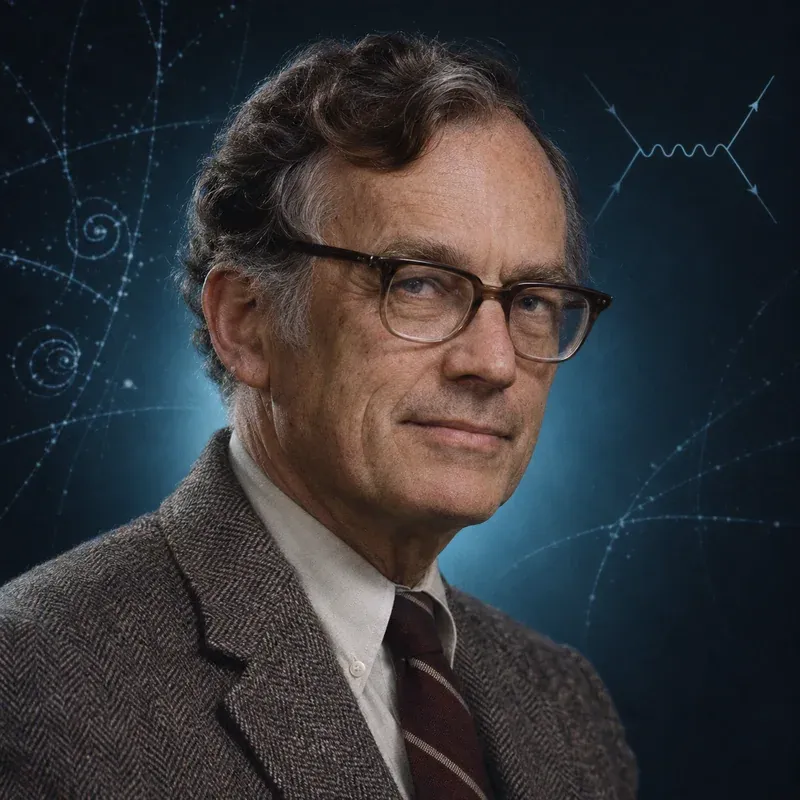
- Ramanath Cowsikb. 1940Cowsik–McClelland cosmological neutrino mass bound (1972)
- Charles L. CritchfieldProton–proton chain (with Bethe, 1938)
- Alexander Dmitrievich Dolgovb. 1941Neutrino kinetics and oscillations in the early universe
- Thomas K. Gaisser1940–2022Atmospheric neutrino flux calculations (Barr–Gaisser–Stanev 1989)
- George Gamow1904–1968Gamow–Teller selection rules (1936)
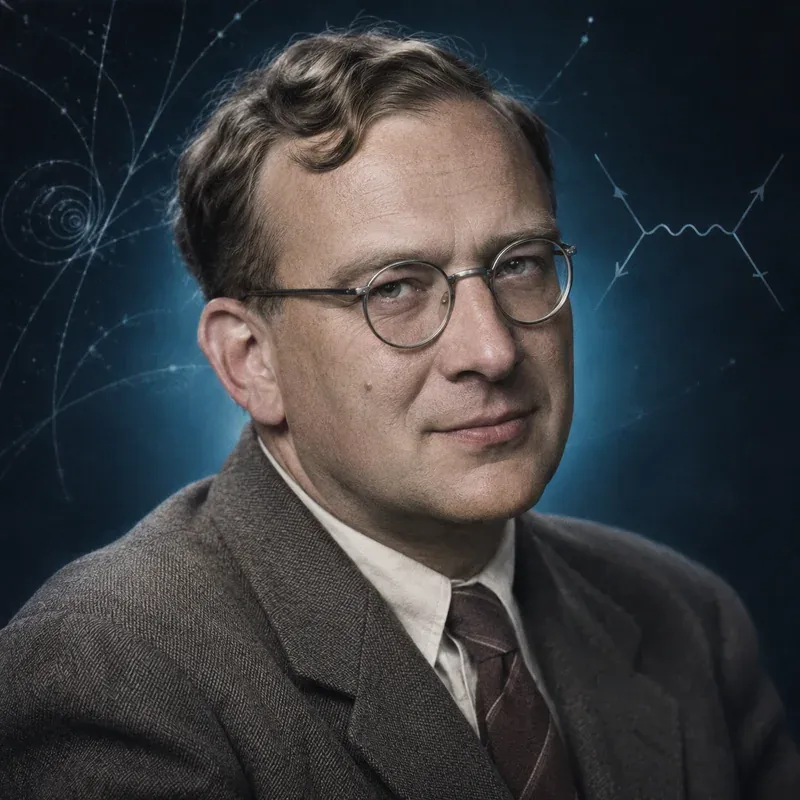
- Kenneth Ingvard Greisen1918–2007Greisen–Zatsepin–Kuzmin (GZK) cutoff (1966)
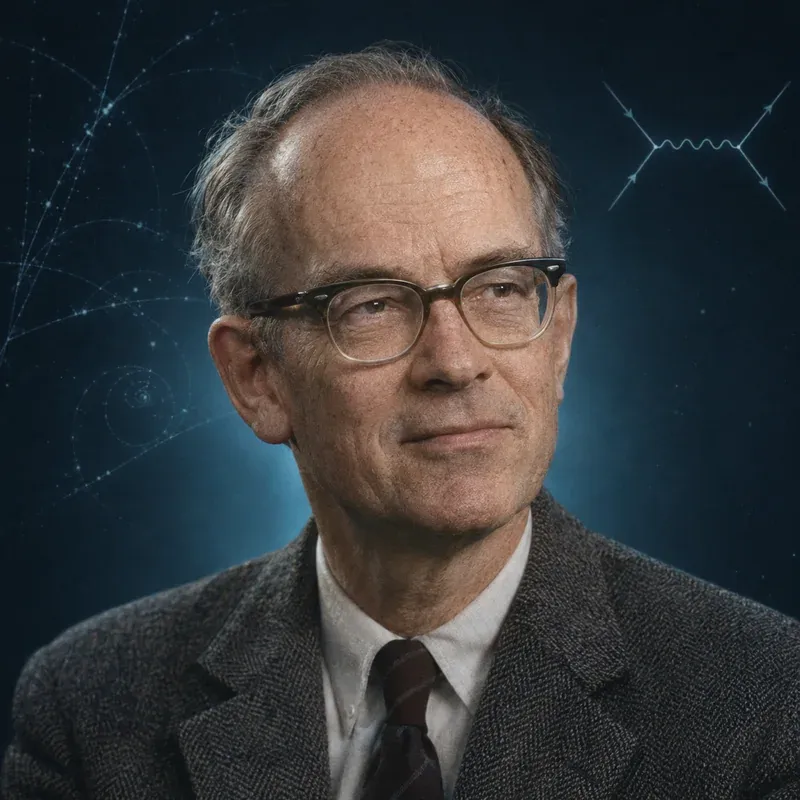
- Francis Halzenb. 1944Principal Investigator of IceCubeNobel Prize 2026
- Hans-Thomas Jankab. 1960Multidimensional simulations of neutrino-driven supernova explosions
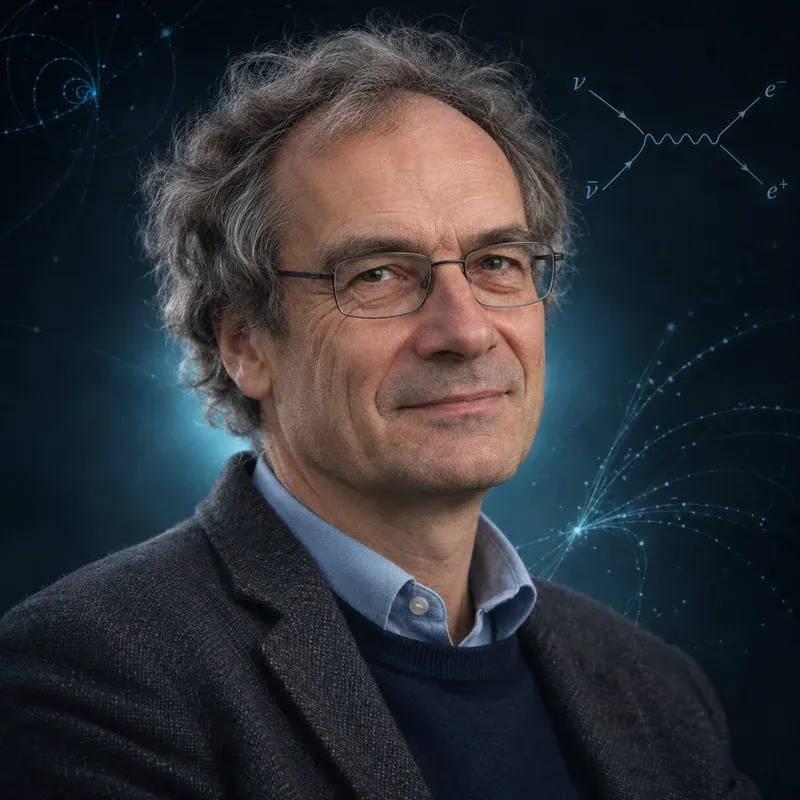
- Marc H. PinsonneaultBahcall–Pinsonneault standard solar models (BP92, BP95, BP00)
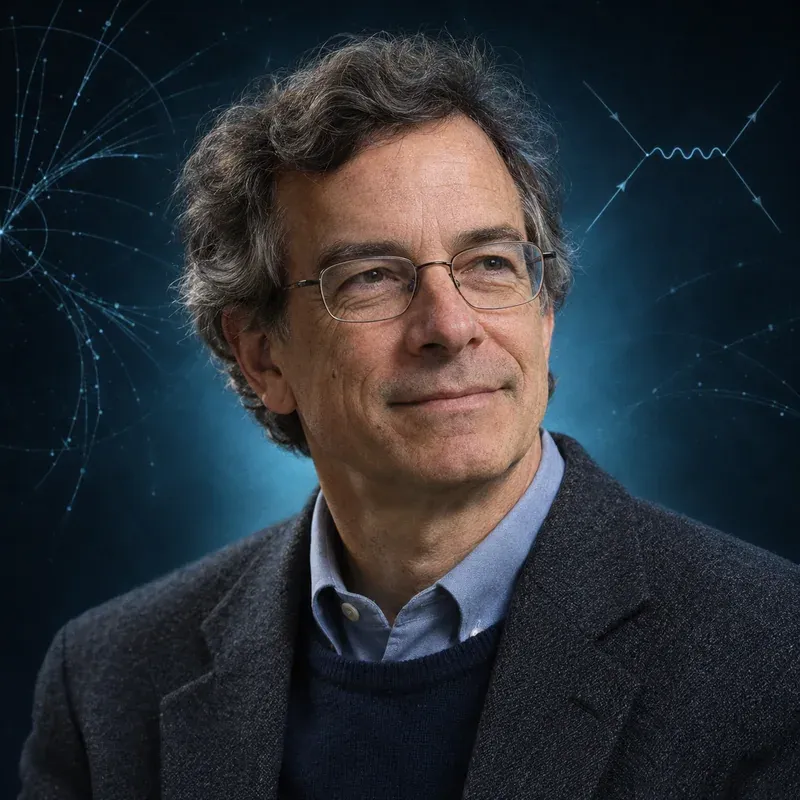
- Georg G. Raffelt'Stars as Laboratories for Fundamental Physics' (1996)
- Valery Anatolievich Rubakov1955–2022Electroweak baryon- and lepton-number violation at high temperature (Kuzmin–Rubakov–Shaposhnikov, 1985)
- Mário SchenbergUrca process (with Gamow, 1940–41)
- David Norman Schramm1945–1997Big Bang nucleosynthesis as a probe of particle physics
- Christian Spieringb. 1948Baikal neutrino telescope
- Gary Steigman1941–2017Cosmological limit on the number of neutrino species (1977, with Schramm and Gunn)
- Roger K. UlrichFounding helioseismology (interpretation of solar 5-minute oscillations)
- Carl Friedrich von WeizsäckerCNO cycle (1937–38, independently of Bethe)
- Richard H. WhiteColgate–White neutrino-driven supernova simulations (1966)
- James Ricker Wilson1922–2007Delayed neutrino-heating supernova explosion mechanism
- Georgy Timofeyevich Zatsepin1917–2010Greisen–Zatsepin–Kuzmin (GZK) cutoff (1966)
- Yakov Borisovich Zeldovich1914–1987Cosmological bound on neutrino mass (Gershtein & Zeldovich 1966)
Application
- Adam BernsteinSONGS1 antineutrino detector at San Onofre (2003–2006)
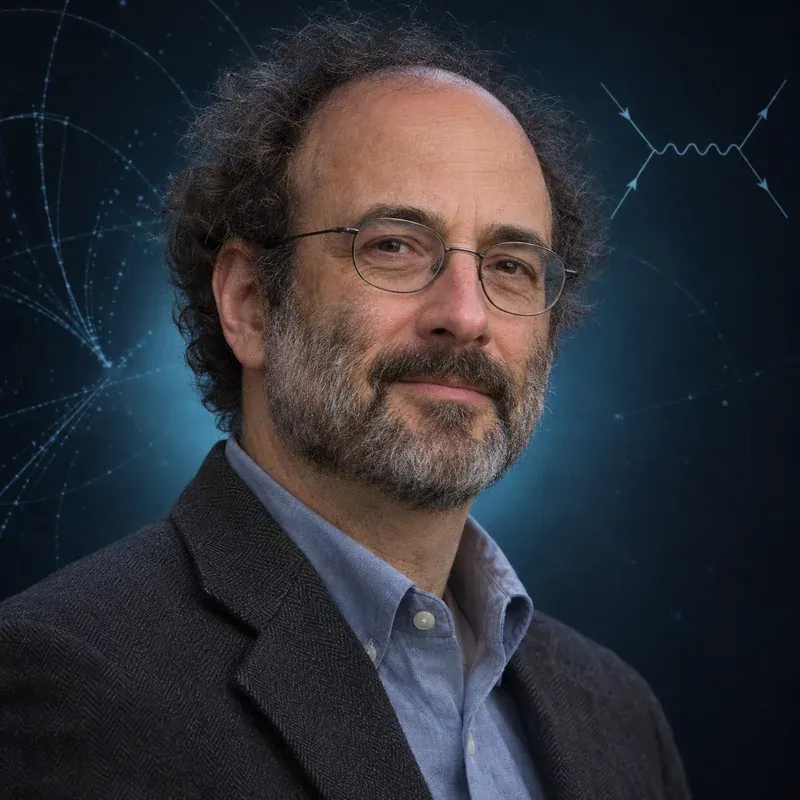
- Gernot Eder1929–2000'Terrestrial neutrinos' (1966): geoneutrino flux and detection by inverse beta decay
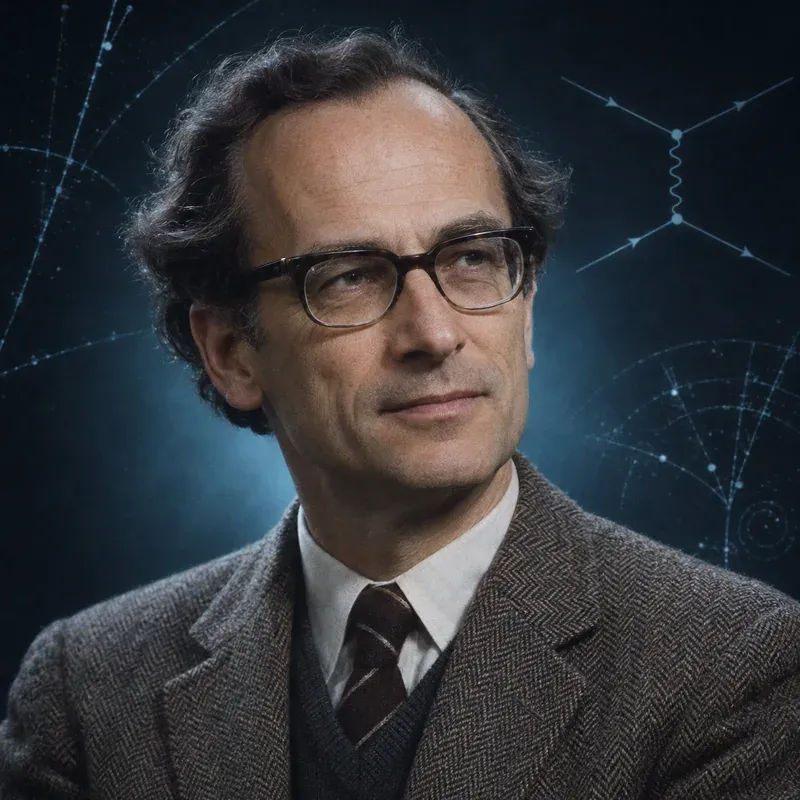
- Lev A. Mikaelyan (Lev Aleksandrovich Mikaelyan)Proposed reactor monitoring with antineutrinos (1978, with A. A. Borovoi)
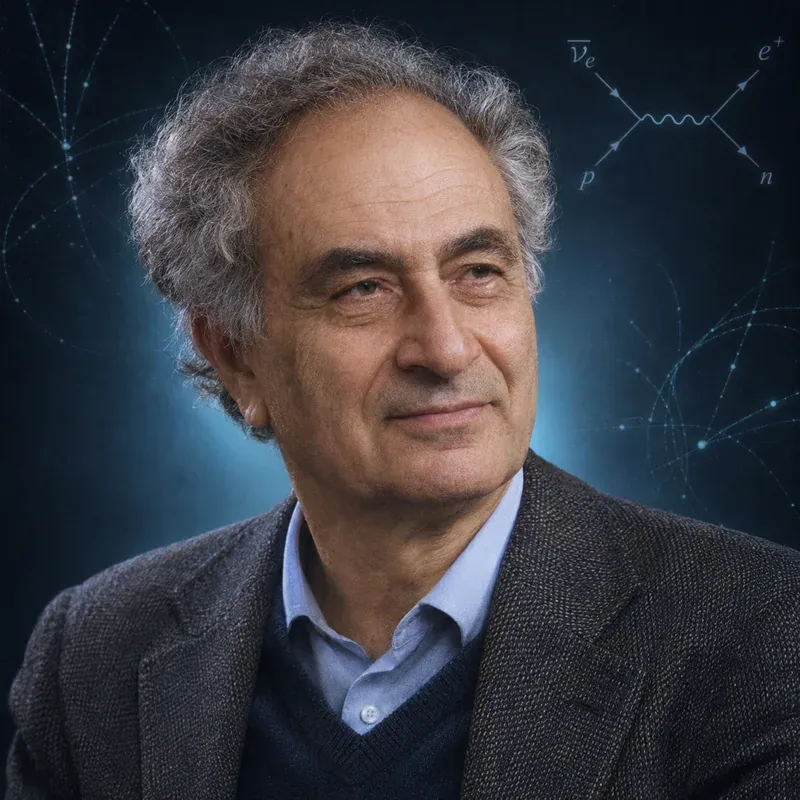
- Holger Thorsten Schubartb. 1965CEO of the Neutrino Energy Group
- Daniel D. StancilFirst demonstration of communication using neutrinos (2012)